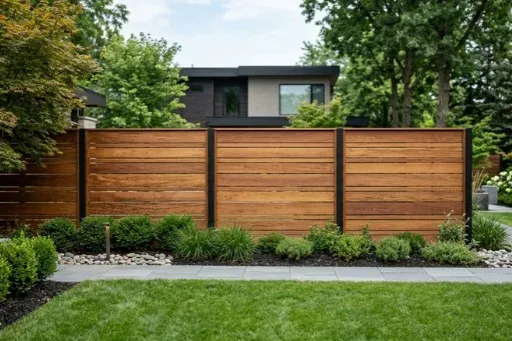
A protective finish helps a metal fence resist exposure to the elements, but the coating is only one part of a well-built fencing system. The points where rails meet posts, panels attach to brackets, and gates connect to their hinges can reveal problems that a quick visual inspection might miss. In Fairfield County, changing temperatures, moisture, and routine gate use can place stress on these connections over time. For help evaluating a fence's condition or planning a new installation, Top Rail Fence Fairfield County can help identify the details that deserve attention before small concerns develop into larger repairs.
Follow the connections, not just the finish
A fence may retain an attractive appearance even when individual components have started to loosen. Checking the joints and fasteners provides a better understanding of how securely the sections fit together and whether the structure remains aligned.
Examine where horizontal rails meet vertical posts
Rail-to-post connections carry an important part of the fence's structural load. Depending on the design, rails may connect through brackets, bolts, screws, welded joints, or integrated fittings. Each connection needs to remain compatible with the fence system and securely assembled.
Look for rails that have shifted, brackets that appear bent, or gaps that were not present previously. A connection that moves when the fence is gently checked may need professional attention, particularly if neighboring sections have also become misaligned.
During metal fence installation, accurate measurements and appropriate fastening methods help keep these intersections consistent. On an existing metal fence, comparing neighboring connections can help reveal whether a problem affects one section or extends along a larger portion of the boundary.
Look for movement around panel attachments
Some metal fencing systems use individual pickets or decorative panels secured to rails with mechanical fasteners or welded connections. Repeated movement, impact, and exposure to moisture can affect these attachment points.
A loose picket may initially create only a small rattle, but several loose attachments can indicate a broader issue with the panel or its supporting structure. Inspect accessible connections for missing hardware, visible separation, distortion, or unusual movement.
Avoid tightening components indiscriminately. The correct fastener, torque, and repair method depend on the fence manufacturer's specifications and the materials involved.
Understand what fasteners reveal about fence condition
Fasteners are small components, but their condition can influence the stability and appearance of an entire fence section. A metal fence may use stainless steel screws, galvanized bolts, specialized clips, or other hardware selected for the material and environment.
Recognize early signs of corrosion
Inspect exposed screw heads, bolts, brackets, and washers for rust-colored staining, flaking, pitting, or deterioration around the edges. Pay particular attention to places where water can collect or where dissimilar metals meet.
Surface staining does not always mean a fastener has lost its strength. However, deep pitting, significant material loss, or a fastener that has become difficult to secure may indicate a more serious concern.
The American Galvanizers Association's guidance on inspecting galvanized steel explains how galvanized coatings are evaluated for condition and protection. Understanding the difference between superficial discoloration and coating damage helps guide decisions about further inspection or maintenance.
Check for missing, loose, or mismatched hardware
A missing bolt or replacement screw that does not fit properly can affect how a joint distributes force. Hardware should match the intended connection and be suitable for the surrounding environment.
During metal fence maintenance, check whether fasteners remain present and properly seated. Look for washers that have shifted, screws that appear partially backed out, and improvised replacements that differ from neighboring hardware.
Avoid substituting ordinary steel screws or incompatible metals simply because they fit the opening. The wrong replacement can introduce corrosion concerns or fail to provide the intended holding strength.
Give fence posts and their bases a closer look
Posts transfer loads from rails and panels into the ground or supporting structure. Even when the upper sections of a metal fence appear sound, movement near the base can affect the alignment of the entire installation.
Investigate leaning posts and shifting foundations
Walk along the fence and compare the position of each post with adjacent sections. A post that leans, rotates, or appears to rise out of the ground may indicate soil movement, a damaged footing, or an issue with its attachment.
Pay attention to gaps between the post and its surrounding concrete, cracked footing material, or visible deterioration near ground level. Moisture and soil conditions can contribute to problems in these areas, while impact from landscaping equipment or vehicles may also damage a post.
A post that has shifted should not simply be pulled back into position without investigating the cause. Corrective work may require a closer assessment of the footing, surrounding soil, and connections above ground.
Inspect base plates and anchors on mounted fences
Some metal fence systems attach to concrete, masonry, or other hard surfaces using base plates and anchors rather than buried posts. These connections need to remain secure and compatible with the supporting material.
Check for loose anchors, cracked concrete near mounting points, bent plates, or visible gaps beneath the base. Rust streaks around an anchor may also justify further investigation.
If the supporting concrete has fractured or an anchor has pulled loose, replacing the fastener alone may not resolve the problem. The underlying support may need repair before the fence can be secured properly.
Treat gates as moving connection systems
Gates experience repeated opening and closing, which makes their hardware particularly important. A fence panel may remain stationary for years, while a gate hinge moves every time someone enters or leaves the property.
Assess hinges, latches, and alignment
Open and close each gate slowly, paying attention to scraping, resistance, unusual noise, or a latch that no longer lines up with its receiver. Inspect hinge fasteners and mounting points for movement, corrosion, or deformation.
A sagging gate can place additional stress on its hinges and adjacent posts. Tightening a loose screw may help in some cases, but a persistent alignment problem can indicate worn hinges, a shifted post, or an issue with the gate frame.
Use the correct replacement components
Replacement hinges, bolts, and latches should suit the gate's weight, dimensions, and intended use. Components exposed to rain and moisture should also have appropriate corrosion protection.
Professional assessment is especially useful when a gate is heavy, a connection is damaged, or the supporting post has moved. Attempting to reposition a heavy gate without adequate support can create a safety hazard.
Build a practical metal fence maintenance routine
A consistent inspection schedule helps identify changes before they become more difficult to address. The appropriate frequency depends on the fence's exposure, age, material, and level of use.
Record changes instead of relying on memory
Photograph areas with visible corrosion, loose hardware, or minor alignment changes. Comparing those photographs during later inspections can help establish whether a condition is stable or deteriorating.
After severe weather, check accessible fence sections for fallen branches, impact damage, displaced posts, and loosened connections. Properties with frequently used gates may benefit from more regular hardware checks.
Match repairs to the underlying problem
Not every issue requires replacing an entire fence section. A compatible replacement fastener, repaired bracket, or properly serviced hinge may resolve an isolated concern.
However, widespread corrosion, cracked welds, badly distorted rails, or unstable posts can indicate that more extensive repairs are necessary. Avoid covering damaged joints with paint before their condition has been assessed, since a fresh coating can conceal evidence without correcting the underlying issue.
For a new project, reviewing the available metal fencing options can also help clarify how different fence designs and connection systems suit the property's needs.
Keep every connection working as intended
A durable metal fence depends on more than a sound coating. Secure rail joints, compatible fasteners, stable post connections, and properly aligned gate hardware all contribute to a fence that performs as expected. Regular metal fence maintenance helps identify corrosion, movement, and worn components before they affect surrounding sections.
For installation advice, repairs, or a closer evaluation of an existing fence, Top Rail Fence Fairfield County can help you determine the appropriate next steps for your property. Visit the Contact Us page to discuss your project and explore options for maintaining or planning a metal fence installation that accounts for both structural connections and long-term performance.