Homeowners across the Florida Panhandle often expect fence installation to focus mainly on style, material selection, and property layout. What many do not realize is how much the soil itself influences the entire process. Sandy coastal conditions create a very different foundation compared to compact inland soil, which means installation techniques, structural planning, and long-term stability all require additional consideration.
Many property owners begin researching Top Rail Fence Florida Panhandle to better understand how local conditions affect fencing performance near the coast. From shifting soil to drainage concerns, sandy terrain changes nearly every phase of a project.
For homeowners working with Top Rail Fence Florida Panhandle, the goal is not simply to complete a project quickly. It is creating durable fencing solutions designed to remain stable despite moisture fluctuations, coastal winds, and loose soil conditions.
Why sandy soil changes the entire installation process
Unlike dense clay or compact earth, sandy soil behaves differently under pressure and moisture.
Reduced ground stability around fence posts
During fence installation, posts rely on the surrounding soil for support. In sandy environments, the soil naturally shifts more easily, especially after heavy rainfall or coastal storms.
This means standard installation depths may not always provide enough long-term reinforcement. Professional installers often need to adjust post depth, spacing, and anchoring methods to improve durability.
These small structural changes help prevent leaning, movement, and uneven settling over time.
Drainage behaves differently near coastal properties
One advantage of sandy terrain is improved drainage. Water typically moves through sand faster than compact soil, reducing standing water around fencing systems.
However, this faster drainage can also create erosion near post foundations. Over time, moving water may slowly weaken the surrounding support structure.
According to the University of Florida IFAS Extension, coastal soil conditions often require construction adjustments because erosion patterns and moisture movement differ significantly from inland environments.
How material selection changes in coastal areas
Sandy soil alone is not the only concern. Coastal exposure also affects how materials perform long-term.
Moisture resistance matters more near the coast
Salt air, humidity, and seasonal storms influence material durability throughout the Florida Panhandle. Homeowners evaluating fence styles often prioritize appearance first, but coastal performance becomes equally important.
Vinyl fencing remains popular because it resists moisture damage and requires minimal upkeep. Aluminum fencing is also commonly selected for its corrosion resistance and lightweight structure.
Wood fencing can still perform well, but it usually requires more consistent sealing and maintenance in coastal regions.
Fence weight and wind exposure must stay balanced
Heavy materials may create additional stress in sandy ground conditions. At the same time, lightweight fencing must still withstand strong wind exposure.
This balance often influences which fencing solutions are most practical for waterfront or open coastal properties.
Homeowners exploring fence installation services frequently discover that installation strategy matters just as much as the fencing material itself.
Installation techniques that work on sandy terrain
The actual construction process changes significantly when installers encounter loose or shifting soil.
Post depth often increases
One of the most common adjustments involves deeper post placement. Because sandy soil offers less resistance, installers may need additional depth to improve structural stability.
This deeper anchoring helps fencing remain upright during storms, strong winds, and seasonal weather changes common throughout the Florida Panhandle.
The adjustment may slightly influence overall fence installation cost, but it contributes significantly to long-term durability.
Reinforcement methods become more important
Some projects also require reinforced concrete footings or specialized stabilization techniques. These methods help secure fence posts where erosion or loose ground could otherwise create movement over time.
Professional crews evaluate slope, moisture exposure, and drainage before finalizing installation methods.
Homeowners working with Top Rail Fence Florida Panhandle benefit from site-specific planning that accounts for these environmental variables early in the process.
How fence styles adapt to coastal conditions
Not every fence layout performs equally well near sandy coastal terrain.
Semi-private designs help reduce wind pressure
Completely solid fencing can absorb significant wind force during storms or strong coastal gusts. In some locations, partially open designs perform better because they allow airflow to pass through more naturally.
This is why some homeowners choose semi-private layouts rather than fully enclosed panels.
These adjusted fence styles help reduce structural stress while still maintaining privacy and curb appeal.
Horizontal layouts require extra structural planning
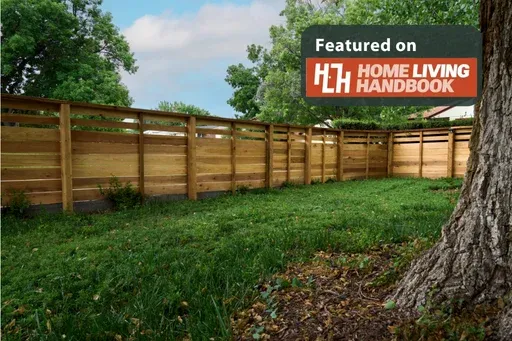
Horizontal fencing remains visually popular across many waterfront communities. However, sandy conditions often require additional reinforcement to support longer horizontal spans.
Without proper support, panels may shift more easily over time.
Professional fence installation teams evaluate these design factors carefully before construction begins.
Why maintenance becomes part of long-term performance
Coastal fencing environments require more ongoing attention than many inland properties.
Soil movement can develop gradually
Even properly installed fencing may experience minor ground shifts over time due to erosion, rainfall, or seasonal weather patterns.
Routine inspections help identify early signs of movement before they become larger structural concerns.
This is one reason many homeowners value ongoing fencing solutions that include long-term support and maintenance guidance.
Weather exposure impacts surface appearance
Salt air, sunlight, and moisture exposure can gradually affect fencing materials differently depending on their composition.
Wood fencing may require resealing more frequently, while vinyl and aluminum systems generally maintain their appearance longer with less maintenance.
Understanding these long-term expectations helps homeowners evaluate realistic fence installation cost considerations beyond the initial project itself.
Planning around coastal property layouts
The layout of coastal properties often creates additional installation variables.
Waterfront visibility and property lines
Homes near beaches, bays, or waterfront areas frequently require fencing layouts that preserve views while still defining property boundaries.
This balance influences height selection, spacing, and overall design structure.
Many homeowners throughout the Florida Panhandle prioritize fencing systems that maintain visibility without sacrificing security or visual consistency.
Landscaping and soil retention work together
Landscaping can also influence fence stability on sandy properties. Strategic planting may help reduce erosion while improving overall ground retention around fencing systems.
When coordinated properly, landscaping and fencing create a more stable and visually integrated outdoor environment.
Homeowners working with Top Rail Fence Florida Panhandle often explore combined layout strategies that support both aesthetics and structural performance.
Building for long-term coastal durability
Sandy terrain changes far more than most homeowners initially expect during a fencing project. From post depth to drainage management, coastal conditions influence nearly every stage of the process.
The right approach to fence installation involves more than selecting attractive materials. It requires understanding how soil behavior, moisture exposure, and wind conditions interact over time.
By choosing experienced professionals, homeowners can create durable fencing solutions that remain stable and visually consistent despite the environmental demands of the Florida Panhandle.
If you are planning a fencing project near the coast and want guidance on soil conditions, materials, and long-term performance, visit the Contact Us page to connect with Top Rail Fence Florida Panhandle and begin planning a fencing system designed specifically for coastal conditions.