Choosing the right fencing material is one of the most important steps in any fence installation project. While many homeowners focus first on appearance, experienced professionals know that climate exposure, maintenance expectations, property layout, and long-term durability all play major roles in determining the best fit. The material that works perfectly for one property may create unnecessary maintenance issues for another.
Homeowners researching solutions through Top Rail Fence locations often discover that selecting the right fencing system involves far more than choosing between wood or metal. Every project requires balancing visual goals with structural performance and practical lifestyle needs.
For homeowners working with Top Rail Fence, the material selection process is designed to create fencing solutions that remain functional, visually appealing, and durable for years to come.
Why material selection matters before installation begins
The quality of a fence depends heavily on whether the material aligns with the environment and the homeowner’s expectations. Strong design means little if the material cannot perform under local conditions.
How climate affects fence materials
Different climates place different demands on fencing systems. Areas with high humidity, heavy rainfall, or strong sun exposure can accelerate wear if unsuitable materials are used.
Wood fencing, for example, may require additional sealing and maintenance in wet climates, while vinyl fencing often performs well in areas with fluctuating temperatures because it resists moisture absorption. Aluminum fencing is frequently selected in coastal environments because it resists corrosion more effectively than untreated steel.
A professional fence company evaluates these environmental conditions early to help homeowners avoid premature deterioration.
Why durability influences long-term value
Many homeowners initially focus on installation cost rather than lifecycle performance. However, lower upfront costs can sometimes lead to higher maintenance expenses later.
Durable fence materials reduce the need for repairs, repainting, or structural replacement over time. Material longevity becomes especially important for larger properties where maintenance requirements can quickly increase.
How property goals shape material recommendations
Every property has different priorities. Some homeowners prioritize privacy, while others focus on decorative appearance or security.
Matching residential fencing to homeowner lifestyles
Modern residential fencing is expected to do more than define boundaries. Families may need secure areas for children or pets, while others want fencing that complements landscaping and outdoor entertainment spaces.
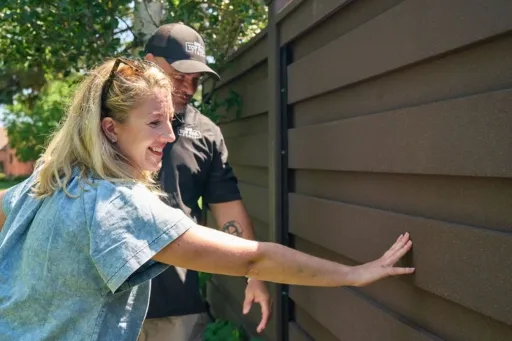
Wood fencing often creates a warmer and more traditional appearance, while aluminum fencing supports more open sightlines. Vinyl fencing appeals to homeowners who prefer minimal maintenance and a consistent appearance throughout the year.
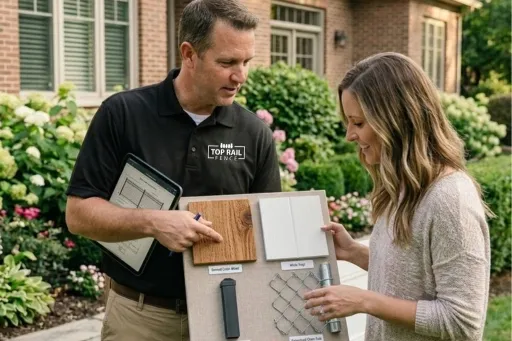
During consultations, many property owners review fence material options to compare how different systems align with their long-term goals.
Balancing appearance with maintenance expectations
Some fencing systems require regular upkeep to maintain their appearance. Others are designed to minimize maintenance entirely.
Wood fencing may need staining or sealing every few years, while vinyl systems generally require only occasional cleaning. Understanding these differences helps homeowners make informed decisions based on how much maintenance they are realistically prepared to manage.
This personalized guidance is one reason many homeowners trust Top Rail Fence when evaluating fencing solutions that combine aesthetics with practicality.
What professionals evaluate before recommending materials
Professional installers consider far more than visual preference when recommending fencing systems.
Soil conditions and structural stability
Soil composition directly impacts how fence posts perform over time. Clay-heavy soil expands and contracts with moisture changes, while sandy soil may require additional reinforcement for stability.
According to the USDA Natural Resources Conservation Service, soil behavior significantly affects structural performance in outdoor construction projects. Evaluating these conditions before installation helps reduce long-term shifting or leaning.
Property layout and terrain complexity
Sloped yards, retaining walls, drainage systems, and irregular boundaries all influence which materials work best. Certain fencing systems adapt more effectively to elevation changes than others.
For example, aluminum fencing can often accommodate slope adjustments more easily than rigid panel systems. Wood fencing offers more flexibility for custom layouts but may require additional labor for uneven terrain.
Why customization plays a major role in final decisions
Standard fencing solutions rarely account for the unique challenges of individual properties. Customization allows homeowners to balance design goals with site conditions more effectively.
Fence styles and architectural compatibility
The architectural style of the home often influences final material selection. Contemporary homes may pair better with sleek horizontal fencing, while traditional homes often benefit from classic wood or ornamental metal designs.
The right fence styles should feel integrated into the property rather than visually disconnected from it.
Privacy and visibility considerations
Some homeowners want complete seclusion, while others prefer decorative boundaries that preserve visibility. Material selection directly affects this balance.
Tall vinyl or wood systems create enclosed outdoor spaces, while aluminum and decorative metal fences maintain openness without sacrificing structure.
A professional fence company helps homeowners evaluate these tradeoffs based on how the property is used daily.
How installation methods influence material performance
Even the best fencing material can fail if installation methods are not properly matched to the system.
Proper post spacing and support
Each fencing material has a different weight distribution and structural requirements. Wood fencing may require reinforced support posts, while lighter aluminum systems rely on different anchoring techniques.
Accurate spacing prevents sagging, warping, and uneven alignment over time.
Drainage and moisture management
Water exposure is one of the biggest threats to fencing longevity. Proper drainage planning helps prevent standing moisture around fence posts and foundations.
Installers evaluate runoff patterns and grading before beginning any fence installation project to reduce long-term deterioration risks.
Making the right decision for long-term performance
Choosing fencing materials is not simply about selecting a product from a catalog. It is a process that combines environmental conditions, structural requirements, maintenance expectations, and design goals into one cohesive plan.
From evaluating terrain to balancing privacy with curb appeal, every detail contributes to the final recommendation. Homeowners who work with Top Rail Fence benefit from guidance that prioritizes both immediate appearance and long-term reliability.
If you are planning a fencing project and want expert insight into selecting the right materials for your property, visit the Contact Us page to connect with a team that understands how to create durable and visually balanced fencing solutions.