Every property presents a different challenge when planning a fence installation. Some lots have uneven grading, others have irregular property lines, and many homeowners want specific aesthetics that may not naturally align with the terrain. The balance between structure, appearance, and practicality is what makes modern fencing projects more complex than they first appear.
Homeowners exploring solutions through Top Rail Fence locations often discover that successful projects depend less on choosing a standard layout and more on adapting the design to the property itself. The interaction between slope angles, boundary limitations, and preferred fence styles can significantly influence how a project is planned and executed.
For many homeowners working with Top Rail Fence, the process becomes less about installing a barrier and more about creating a seamless extension of the property’s overall design.
Why property layout change every fencing strategy
No two properties create identical installation conditions. Even homes within the same neighborhood may require completely different planning approaches because of grading, setback requirements, or landscaping features.
How slopes affect fence installation methods
Steep or uneven terrain changes how a fence installation is engineered. On level ground, fence panels can follow a straightforward alignment. On sloped properties, installers must decide between stepped fencing or racked fencing systems.
Stepped layouts create level sections that gradually move downward across the slope. Racked systems allow fence panels to follow the natural angle of the terrain. The best solution depends on both functionality and visual preference.
Properties with aggressive elevation changes often require customized spacing and reinforced posts to maintain stability over time.
Why property lines create design limitations
Boundary lines are another major factor that influences project planning. Many homeowners assume fences can simply follow the edge of the yard, but easements, utility access zones, and municipal setbacks can alter the final placement.
A professional fence company evaluates these restrictions before installation begins. This prevents alignment problems and reduces the likelihood of future disputes between neighboring properties.
How style goals influence structural decisions
Modern homeowners expect fencing to support curb appeal as much as privacy and security. This means appearance often plays a major role in how projects are designed.
Blending fence styles with architectural design
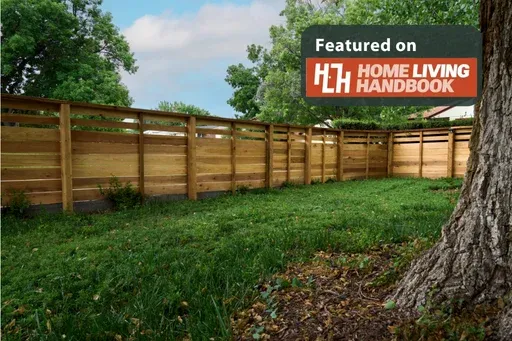
The most successful fence styles complement the architecture of the home rather than competing with it. Horizontal wood fencing may pair well with contemporary homes, while ornamental aluminum fencing often suits traditional or historic properties.
Color selection, spacing patterns, and material finishes all contribute to the final appearance. During the planning stage, many homeowners browse custom fencing options to compare materials that fit both functional and visual goals.
This design flexibility is one reason many property owners choose Top Rail Fence when balancing aesthetics with practical installation requirements.
Privacy expectations versus visual openness
Some homeowners prioritize complete privacy, while others want openness and visibility. These goals directly impact panel height, spacing, and material selection.
Wood and vinyl systems are commonly used for enclosed privacy fencing, while aluminum and decorative metal fences maintain visibility without sacrificing boundary definition. Choosing the wrong balance can make outdoor spaces feel either too exposed or overly confined.
Where installation challenges usually appear
Even well-planned projects encounter obstacles during installation. The key is identifying potential complications early.
Landscaping features that disrupt layouts
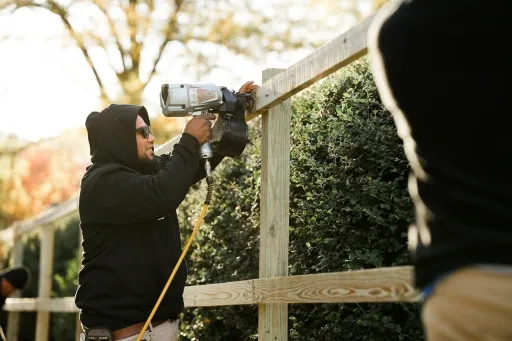
Mature trees, retaining walls, irrigation systems, and drainage paths can all interfere with a standard fence installation. Installers often need to modify post placement or panel sizing to work around these features without compromising structural integrity.
Properties with extensive landscaping may require partial redesigns during the installation process to preserve existing outdoor elements.
Soil conditions and long-term durability
Soil composition affects how securely fence posts can be installed. Sandy soil, clay-heavy ground, and areas with high moisture retention all behave differently under load and weather exposure.
Professional installers evaluate soil stability before excavation begins. According to the USDA Natural Resources Conservation Service, soil composition directly affects structural performance and drainage behavior in outdoor construction projects.
Understanding these conditions helps improve long-term fence durability and reduces the likelihood of shifting or leaning over time.
Why customization matters more than standard layouts
Standard fencing templates rarely account for unique property characteristics. Customization allows homeowners to solve layout problems without sacrificing appearance.
Adjusting layouts for outdoor living spaces
Modern outdoor spaces often include patios, pools, gardens, or entertainment zones that influence fencing placement. A customized approach ensures the fence supports how the property is actually used.
Some homeowners prioritize creating visual separation between activity areas, while others want fencing to frame the landscape without obstructing movement.
Matching functionality with long-term goals
The intended purpose of the fence also shapes installation decisions. A decorative front-yard fence requires a different approach than fencing designed for pets, children, or commercial access control.
Experienced installers adapt panel heights, gate placement, and structural reinforcement based on how the property will function years after installation.
How experienced planning prevents project delays
Many fencing delays occur because layout complications are discovered too late in the process. Early planning reduces these interruptions significantly.
Site evaluations improve installation accuracy
Comprehensive site evaluations identify elevation changes, access limitations, and underground obstacles before construction begins. This allows installers to prepare accurate measurements and realistic timelines.
A professional fence company uses these evaluations to anticipate challenges that may otherwise create costly revisions during installation.
Material selection impacts scheduling
Different materials also affect installation timelines. Wood fencing may require additional preparation and sealing, while aluminum systems often install more quickly due to prefabricated sections.
Weather conditions, permit approvals, and property accessibility further influence scheduling expectations.
Creating a fence that works with the property
The best fencing projects do not fight against the property’s natural layout. They adapt to it. Successful fence installation combines structural planning, visual consistency, and practical functionality into one cohesive solution.
From navigating slope transitions to aligning with architectural goals, every decision influences how the final fence performs and looks over time. Homeowners who partner with Top Rail Fence benefit from solutions tailored to the realities of the property rather than generic layouts that ignore terrain and design needs.
If you are planning a fencing project and want guidance that balances structure, style, and long-term performance, visit the Contact Us page to connect with the team and begin exploring customized fencing solutions for your property.