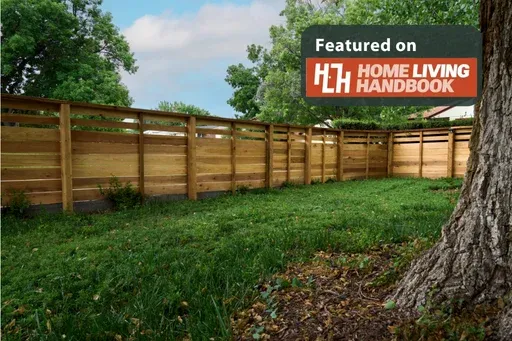
An unusual corner can be one of the hardest parts of a property to use effectively. Instead of leaving an angled boundary, narrow side yard, or overlooked section of the landscape unused, thoughtful fence design can give the space a defined purpose. In Fort Collins, where outdoor areas may need to accommodate landscaping, recreation, storage, pets, or entertaining, the right fence can help transform an awkward section into a functional part of the property. You can also explore Top Rail Fence Fort Collins to see how professional fencing solutions can be adapted to different property layouts.
Start with the shape of the space
An awkward corner does not necessarily need to be corrected. It can become an opportunity to introduce a new function or visual element. The first step is understanding how the existing space connects with the rest of the property.
Identify what makes the corner difficult
Corners can become challenging because of unusual property lines, changes in elevation, narrow passages, landscaping, driveways, or the positioning of an existing structure. A successful fence design works with these conditions instead of forcing the fence into a rigid configuration.
Consider how the area could be used
A neglected corner could become a small garden, pet area, seating space, storage zone, or visual transition between different parts of the yard. Determining the intended use before fence installation makes it easier to establish the appropriate height, placement, gate configuration, and amount of enclosure.
Think beyond the property boundary
The fence should not be viewed independently from the surrounding landscape. The location of trees, patios, walkways, retaining features, and outdoor structures can all influence the finished result. Colorado State University Extension recommends considering site conditions, intended use, scale, and existing landscape features when developing an outdoor space.
Turn an overlooked corner into a defined outdoor zone
A fence can give an irregular section of a yard a stronger sense of purpose. Instead of appearing like leftover space, the area can become a distinct outdoor zone with a clear relationship to the rest of the property.
Create a quiet garden backdrop
A corner can provide an excellent setting for plants, raised beds, decorative landscaping, or a small seating area. A carefully positioned fence creates a visual backdrop that gives the planting area a finished appearance. The fence can also help establish a boundary between lawn and garden spaces.
Establish a dedicated pet area
An unused side or rear corner may work well as a contained area for pets. A suitable fence design can provide separation from entertaining spaces while maintaining convenient access for the household. Gate placement becomes particularly important when the space will be used regularly.
Build a compact outdoor retreat
Not every outdoor feature requires a large footprint. A narrow corner could accommodate a bench, small patio, firewood storage, or another practical feature. Fencing can frame the area and make it feel intentional rather than squeezed into an unsuitable part of the yard.
Choose fence styles that complement unusual layouts
Irregular spaces can benefit from flexibility in both appearance and configuration. Different fence styles create different visual effects, so the best choice should support the purpose of the corner as well as the character of the property.
Use horizontal lines to emphasize width
Horizontal fence elements can make a narrow space feel more visually connected to the surrounding yard. This approach can work particularly well when the corner is long and narrow and the goal is to create a stronger sense of continuity.
Use vertical elements for definition
Vertical components can give a corner greater visual structure. They may work well when the area needs a stronger boundary or when the fence is intended to complement existing architectural features.
Create visual interest with transitions
A fence does not have to use exactly the same configuration throughout an entire property. Changes in height, gate placement, or decorative elements can distinguish a particular corner while maintaining a cohesive overall appearance. A skilled fence company can help determine where those transitions make sense.
Make fence installation work with the terrain
The physical conditions of an awkward corner can influence how the fence is installed. Uneven ground, slopes, drainage patterns, existing trees, and nearby structures all deserve attention before construction begins.
Account for changes in elevation
A sloped section may require a stepped or contoured approach rather than a straight fence line. The selected configuration should follow the terrain while maintaining a consistent and attractive appearance.
Protect existing landscape features
Trees and established planting beds may already occupy the corner. During fence installation, their locations should be considered carefully so the new fence does not unnecessarily interfere with root zones, irrigation, access, or future growth.
Leave room for practical maintenance
A visually appealing corner can become difficult to manage if there is no space to access it. The layout should account for mowing, trimming, planting, cleaning, and other routine activities. A thoughtful fence design can make the area easier to maintain rather than creating another difficult-to-reach section.
Connect the corner to the rest of the property
A successful design should make the new space feel like part of the overall yard. This can be achieved by repeating materials, proportions, colors, or design details found elsewhere on the property.
Continue existing visual patterns
If the property already has a particular fence appearance, extending related details into the awkward corner can create continuity. This prevents the new section from looking disconnected from the rest of the yard.
Frame important views
The fence can also be positioned to draw attention toward a garden, seating area, landscape feature, or architectural element. Rather than simply closing off the corner, the fence design can help control what people see as they move through the property.
Balance enclosure with openness
Complete enclosure is not always necessary. Partial fencing can define a space while keeping it visually connected to the surrounding yard. This can be particularly useful when the corner is intended for relaxing or landscaping rather than privacy.
For additional guidance on planning outdoor spaces, Colorado State University Extension's garden and landscape design resources provide information on creating outdoor areas suited to Colorado conditions and intended uses.
Avoid forcing a standard layout into an irregular corner
One of the biggest advantages of custom fence design is the ability to respond to the actual shape of the property. A standard straight run may leave unusable gaps or create an awkward transition, while a customized layout can turn those limitations into deliberate features.
Measure before selecting the configuration
Accurate measurements help reveal how much usable space the corner actually provides. They can also identify where gates, posts, transitions, and connections with existing fencing should be positioned.
Match the fence to the intended function
A garden corner may require a different arrangement than a pet area or storage space. The function should influence the fence's height, visibility, access points, and overall configuration.
Plan for future changes
Outdoor spaces can evolve. A corner that currently serves as storage might later become a garden or seating area. Flexible fence styles and thoughtful access points can make future changes easier without requiring a complete redesign.
Make an awkward corner part of the property's story
An unusual corner does not have to remain an unused patch of land. With the right fence design, it can become a purposeful feature that improves organization, usability, and visual character. Top Rail Fence Fort Collins can help property owners consider how fencing can work with existing structures, landscaping, access points, and the property's overall layout.
The right fence installation should accomplish more than closing a boundary. It should make the available space work harder while complementing the rest of the property. Top Rail Fence Fort Collins can help develop a practical fencing approach for unusual layouts and outdoor spaces in Fort Collins. If you are ready to explore options for an overlooked corner, visit the Contact Us page to discuss your project with Top Rail Fence Fort Collins.