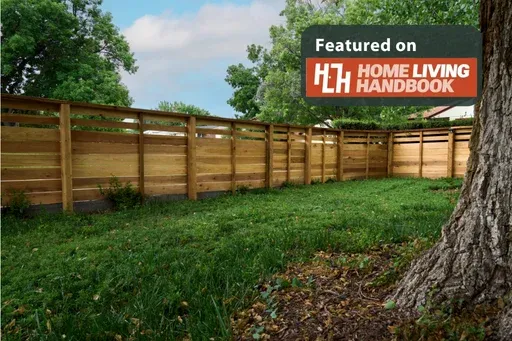
A yard can serve several purposes at once, from relaxing and entertaining to gardening, playing, and creating a quiet retreat. Separating these areas does not necessarily mean surrounding each one with a solid barrier. A thoughtful fence design can create visual layers that give each section a purpose while preserving a sense of openness. For homeowners in Fort Collins, this approach can be especially useful when the goal is to organize an outdoor area without making it feel smaller. Homeowners can explore Top Rail Fence Fort Collins when considering fencing solutions suited to different property layouts.
Why layered fencing works in open yards
Traditional fencing typically creates a clear perimeter, but a layered approach can work within the yard itself. Instead of treating the entire outdoor space as one large area, different fence sections can establish subtle transitions between activities.
Creating separation without closing everything off
A partial fence can mark where one outdoor function ends, and another begins. For example, a short section could distinguish a patio from a garden, while another could create a boundary around a children's play area. This type of fence design provides definition without requiring every section to be completely enclosed.
Preserving sightlines across the property
Open views can make an outdoor space feel larger. Carefully selected fence styles can provide separation while allowing homeowners to maintain visibility between different parts of the yard. This can be useful when adults want to keep an eye on children or maintain a visual connection with landscaping.
Establishing natural transitions
Layering can also make movement through the yard feel more intentional. A fence section might guide people from a patio toward a garden or create a transition between an entertaining area and a quieter part of the property. The result is a yard with distinct zones that still feel connected.
Give each outdoor area a clear purpose
The success of a layered fence design depends largely on what each section of the yard is intended to accomplish. The fence should support those activities rather than simply divide available space.
Defining an entertaining area
A patio or outdoor dining area can benefit from a fence section that creates a sense of enclosure. The boundary can provide a backdrop for furniture and landscaping while keeping the space connected to the rest of the yard.
Framing a garden space
A garden does not need a full perimeter fence to stand out. A carefully positioned section can frame planting beds and create a visual distinction between cultivated areas and open lawn. This can make landscaping feel more deliberate without overwhelming the yard.
Creating a dedicated play zone
A layered approach can also establish a play area while keeping it connected to the rest of the property. A lower or partially open configuration may define the space while preserving visibility from nearby seating areas.
Build visual depth through varied fence elements
Layered fencing becomes more effective when the individual elements work together. Differences in height, placement, and spacing can create depth without making the yard feel fragmented.
Combine different heights thoughtfully
A taller perimeter fence can provide the primary boundary, while shorter interior sections can define specific zones. This creates visual hierarchy and prevents every fence section from having the same imposing presence.
Use spacing to control openness
The distance between boards or rails affects how connected one area feels to another. More open fence styles can maintain visibility, while tighter configurations create stronger separation. The right balance depends on the purpose of each zone.
Introduce gates as transitions
A gate can become more than an access point. It can visually signal movement from one outdoor zone to another. Positioning gates strategically can help establish a natural flow while keeping individual spaces functional.
Match the design to the property's proportions
A layered fence should complement the size and shape of the yard. Too many sections can make a small property feel crowded, while too little definition may fail to create meaningful separation.
Work with existing structures
Patios, decks, sheds, garages, retaining walls, and other structures can influence where fence sections should be placed. Connecting the fence design with these features can create a more cohesive outdoor environment.
Follow the natural shape of the yard
Not every property has a simple rectangular layout. Angled boundaries, irregular corners, and changes in elevation can all affect the appearance of layered fencing. A customized approach allows the installation to follow the property's existing character.
Leave room for movement
Outdoor zones still need to function as part of one property. Paths between the patio, garden, driveway, and other areas should remain convenient. During fence installation, access points and walking routes should be considered alongside the visual design.
Choose fence styles that support the desired atmosphere
Different materials and configurations can produce very different results. The best fence styles for layered spaces should complement the intended atmosphere while providing the required degree of separation.
Open fencing for a connected feel
An open design can define an area without visually blocking it from the rest of the yard. This works well for gardens, seating areas, and spaces where maintaining sightlines is important.
More enclosed sections for privacy
Certain areas may benefit from greater screening. A more enclosed fence section can create a private retreat while shorter or more open fencing is used elsewhere. This combination can give homeowners privacy without making the entire yard feel enclosed.
Decorative details for visual continuity
Post caps, coordinated gates, and consistent proportions can help separate fence sections while keeping the overall design unified. Rather than making each area look unrelated, repeated details create a common visual language.
When evaluating outdoor improvements, homeowners can also review the City of Fort Collins landscape and development resources to understand local considerations that may affect property improvements.
Plan installation around the complete outdoor layout
A successful layered fence installation requires attention to more than the individual fence sections. The complete yard should be considered before the first post is placed.
Map the zones before construction
Identifying where entertaining, recreation, gardening, storage, and circulation will occur can help determine where fencing provides genuine value. This prevents unnecessary divisions and keeps the design focused on practical use.
Consider future changes
Outdoor spaces can evolve over time. A garden may expand, children may outgrow a play area, or a patio may eventually become an outdoor kitchen. A flexible fence design can accommodate those changes more easily than a rigid arrangement built around one temporary use.
Coordinate gates and access points
Every divided space needs practical entry and exit points. Gate locations should account for furniture movement, lawn equipment, maintenance access, and everyday foot traffic. These details can have a significant effect on how useful the finished design becomes.
Make the yard feel organized rather than segmented
The purpose of layered fencing is not to create isolated compartments. It is to give the yard a sense of structure while allowing the different areas to relate to one another. A consistent material palette, complementary fence styles, and carefully planned spacing can help achieve that balance.
Top Rail Fence Fort Collins can help homeowners consider how different fencing configurations might work together across an outdoor space. A professional fence company can evaluate the existing layout and help identify opportunities for separation that do not unnecessarily restrict visibility or movement.
Create a connected outdoor environment with thoughtful design
A well-planned fence design can change the way a yard feels without requiring a major landscape reconstruction. Instead of treating every outdoor activity as part of one undefined area, layered fencing can introduce subtle boundaries that make the space easier to use and enjoy.
For homeowners in Fort Collins, Top Rail Fence Fort Collins can provide guidance on creating a fencing arrangement that reflects the property's layout, outdoor activities, and desired level of openness. If you are considering a layered approach for your yard, visit the Contact Us page to discuss your project with Top Rail Fence Fort Collins.