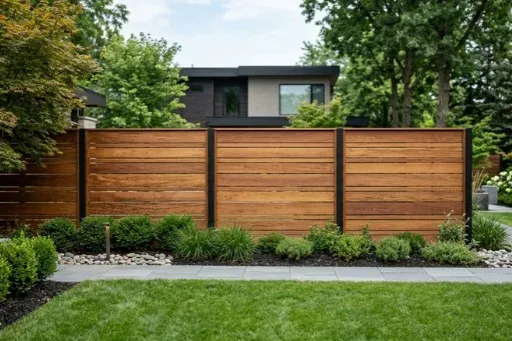
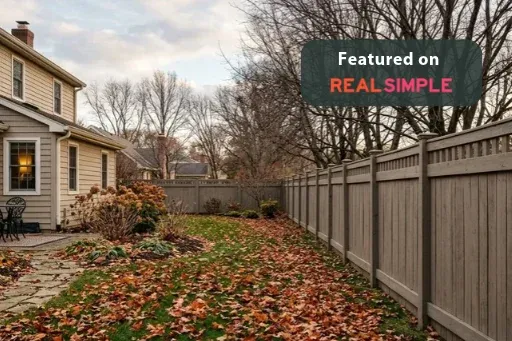
The last inspection is your opportunity to confirm that the finished fence matches the agreed plan and works as expected before you consider the project complete. For properties in Fort Collins, a careful review should cover structural stability, gate operation, alignment, finish quality, and any outstanding work. Top Rail Fence Fort Collins can help you understand which details deserve attention during a fence installation project, so you can compare the completed work with the original agreement. Taking time to inspect these details helps identify issues while the installation team can still address them.
Start with the fence line, not the small details
Before checking individual fasteners or finishes, step back and assess the entire perimeter. Looking at the fence as a complete structure can reveal inconsistencies that may be difficult to notice when standing directly beside a single panel.
Compare the finished layout with the approved plan
Walk the boundary and check whether the fence follows the agreed route. Pay attention to corners, changes in direction, connections to existing structures, and the placement of gates.
If the original plan specified a particular boundary or setback, confirm that the finished alignment reflects that agreement. Do not assume that a fence is correctly positioned simply because it follows an old fence line.
If something appears different from the approved layout, ask the contractor to explain the discrepancy and compare it with the project documents before signing off.
Look along the fence from several angles
View long sections from both ends to check whether the line appears consistent. Depending on the terrain and design, the fence may follow the ground or use stepped sections. Either approach should look intentional and correspond with the agreed installation method.
Look for panels that appear unusually tilted, abrupt transitions between sections, or posts that seem out of line with neighboring components. A visual concern does not automatically mean a structural defect, but it gives you a reason to ask for a closer assessment.
Check the parts that keep the fence secure
A fence can look attractive and still have installation problems that affect its performance. The next stage of your inspection should focus on the components that support the structure and hold its sections together.
Examine the posts and their connections
Posts provide the primary support for many fence systems. Check whether they appear upright and consistently positioned, and look for visible movement, loose connections, or unexplained differences in height.
Avoid judging buried post depth from appearance alone. Instead, ask the installer to confirm that the posts were set according to the specifications for the selected system and site conditions.
Inspect the connections between posts, rails, panels, and other components. Fasteners should appear properly installed, and components should not have obvious gaps or loose fittings that need attention.
Review panels, rails, and individual sections
Look over each section for damage, incomplete assembly, and inconsistencies with the agreed materials. For wood fencing, check for visibly split boards, damaged edges, and missing fasteners. For vinyl fencing, look for cracked components or sections that are not properly seated. Metal fencing should be checked for damaged coatings, loose connections, or bent components.
The expected finish will vary by material, but the installed fence should correspond with the product and workmanship expectations established in the agreement.
Check the transition between different surfaces
Where the fence meets concrete, a retaining wall, landscaping, or another structure, inspect the connection carefully. These transition points can reveal incomplete work or details that need clarification.
Look for unexpected openings, exposed hardware, or areas where finishing work appears incomplete. If the fence crosses uneven ground, ask whether the remaining space beneath the panels is consistent with the approved design and intended use.
A final inspection should also account for how local conditions may affect the fence over time. Freeze-thaw cycles, shifting soil, and seasonal moisture changes can influence post stability and cause sections to move after installation. The Colorado State University Extension offers practical guidance on Colorado landscapes and soil conditions that can help you understand why site conditions matter when evaluating a newly completed fence. Use this information as context while checking that the installed fence is stable, properly aligned, and consistent with the agreed project specifications.
Put every gate through a practical test
Gates are moving components, so they need more than a quick visual inspection. A gate that looks straight when closed may still bind, drag, or fail to latch during normal use.
Open and close each gate several times
Operate every gate through its full range of motion. It should move as intended without unusual resistance, scraping, or interference with nearby surfaces.
Check whether the gate remains properly aligned throughout the movement. If it swings into a walkway, contacts landscaping, or catches on the ground, ask the installer to assess the cause.
For double gates, test both leaves together and separately where the design permits. Confirm that the meeting point and securing hardware work as intended.
Test latches, locks, and access hardware
Engage each latch and lock to make sure it closes securely and releases correctly. If the gate includes specialized hardware, test it according to the manufacturer's instructions.
Pay attention to how easily the gate can be operated by the people who will use it regularly. A difficult latch or awkward opening can become a recurring inconvenience after the installation crew leaves.
Confirm that access routes remain usable
Walk through the gates with the equipment or items you expect to move through them. Check clearance for lawn equipment, bins, bicycles, or other everyday needs relevant to your property.
For residential fencing, this practical test can be particularly useful around side yards, gardens, driveways, and backyard entrances. The completed layout should support normal movement without requiring workarounds.
Inspect the finish under natural light
Once the structure and gates have been checked, examine the fence's appearance more closely. Daylight can help reveal scratches, uneven finishes, damaged surfaces, and other issues that may be less obvious in shaded areas.
Check color and surface consistency
Walk along the fence and look for visible variations that do not match the selected material or finish. Natural wood can vary in grain and color, while manufactured products may have more consistent appearances. Evaluate the work according to the material's characteristics and the specifications in your agreement.
Look for scratches, chips, stains, exposed areas, or damage caused during handling and installation. Note any areas that appear unfinished and ask whether additional treatment or repair is required.
Review the visible hardware and cut edges
Inspect accessible screws, brackets, caps, and other exposed fittings. Confirm that the expected components are present and that visible cuts or edges have been finished appropriately for the material.
If painting, staining, or another finishing treatment was included in the project, ask whether it is complete and whether any curing or maintenance instructions apply before you use or clean the fence.
Compare the final result with the agreed costs
The walk-through is also a useful time to verify that the completed work reflects the proposal, including approved changes made during construction. A physical inspection and a document review should be treated as two parts of the same process.
Confirm the work included in the estimate
Review the original quote and any written change orders. Check that the agreed fence sections, gates, hardware, removal work, and cleanup have been completed as specified.
If the final fence installation cost differs from the original estimate, request an itemized explanation of the difference. Additional work should be traceable to the agreed terms or documented changes rather than appearing as an unexplained charge.
When comparing fence companies, a clearly documented scope and final invoice make it easier to understand what was delivered for the price paid.
Record incomplete items before approving completion
If a section needs adjustment, a gate requires attention, or cleanup remains outstanding, write down the issue and identify its location. Photographs can help communicate the concern clearly.
Ask the contractor to confirm how each outstanding item will be handled and when it is expected to be resolved. Keep copies of relevant correspondence and any revised completion dates.
A written record makes follow-up easier and reduces the chance of disagreement about what was observed during the inspection.
Prepare the handover documents before closing the project
The finished fence is only one part of a successful installation. You should also know how to care for the materials, what the warranty covers, and whom to contact if a problem appears later.
Request care instructions and warranty information
Ask for the applicable warranty documentation and any product information supplied for the installed system. Clarify which conditions are covered, how long coverage lasts, and whether maintenance requirements affect it.
Request practical guidance on cleaning, seasonal checks, and maintenance appropriate to the fence material. Wood, vinyl, and metal may require different approaches, so use instructions relevant to the actual product installed.
Keep a record of the completed installation
Save the approved plan, final invoice, product details, warranty documents, and records of any changes made during construction. These documents can help with future maintenance, repairs, or additions to the fence.
If you plan to extend the boundary later, the original specifications can also help you identify compatible materials and hardware. Top Rail Fence Fort Collins can discuss project details and relevant fencing options if you need guidance after the installation is complete.
Sign off only when the details are accounted for
A thorough final inspection checks more than whether the fence looks finished. It verifies the layout, structural components, gates, surfaces, agreed scope, costs, and handover documents. For homeowners in Fort Collins, this process provides a clearer picture of whether the completed fence installation meets the original expectations and whether any remaining work needs to be documented.
Before closing the project, make sure outstanding concerns have been recorded and that you understand the contractor's process for resolving them. Top Rail Fence Fort Collins can help you discuss your fencing needs and understand the next steps for a new project. If you are planning an installation or need assistance with a fencing project, visit Contact Us to connect with the team.