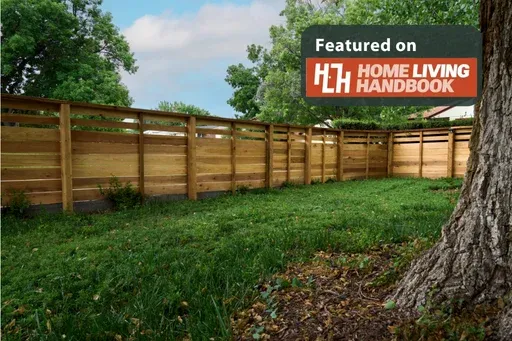
Planning a professional fence installation often seems straightforward at first. Many homeowners in Fort Collins begin with a clear vision of where the fence should go and how it should look. However, once the process begins, small details start to influence the final layout in ways that are not always obvious on day one. From property lines to soil conditions, each factor plays a role in shaping the outcome of a fence installation project.
Many homeowners start exploring their options through Top Rail Fence Fort Collins, where planning takes into account local terrain, neighborhood layouts, and long-term usability. A well-executed professional fence installation does more than define space. It adapts to real conditions that only become clear during preparation.
Over time, these early adjustments determine whether a fence feels naturally integrated into the property or slightly out of place.
The Hidden Variables That Influence Fence Layout
Property Lines Are Not Always Obvious
One of the first surprises during fence installation is how property boundaries actually align. What appears straight or symmetrical may differ slightly when measured professionally. Even a few inches can shift the placement of posts and panels.
Accurate surveying ensures that the fence respects legal boundaries while still aligning visually with the home and landscape. This step is critical in both residential fence installation and commercial fence installation projects.
Terrain Subtleties That Change the Plan
Ground conditions in Fort Collins vary more than many homeowners expect. Slight slopes, uneven grading, or compacted soil can affect how posts are placed. These variations often require adjustments to spacing and alignment during fence post installation.
Instead of forcing a rigid layout, experienced installers adapt the design to follow the natural contours of the yard. This creates a smoother, more intentional appearance.
Why Preparation Shapes Long-Term Results
Utility Lines and Underground Obstacles
Before any professional fence installation begins, underground utilities must be identified. Water lines, irrigation systems, and electrical cables can all influence where posts can safely be installed.
These factors may lead to subtle shifts in layout, but they prevent costly damage and ensure the fence remains structurally sound over time.
Access Points and Movement Patterns
Planning for gates and entry points is another area where initial ideas often evolve. Homeowners may realize that pathways, driveways, or garden access require adjustments to the original layout.
A thoughtful fence installation considers how people move through the space daily. This is especially important for privacy fence installation, where placement directly affects usability and convenience.
Material Choices That Affect Installation Decisions
Weight and Structure Considerations
Different fencing materials require different installation approaches. Heavier materials may need deeper post settings, while lighter options allow for more flexibility.
These differences influence how fence post installation is handled and can lead to changes in spacing or reinforcement. A well-planned professional fence installation accounts for these structural needs from the start.
Balancing Privacy and Openness
Choosing between full privacy and partial visibility often reshapes the layout. A solid privacy fence may require tighter alignment and consistent height, while more open designs allow for variation.
Homeowners exploring fence installation options often discover that their initial preference evolves once they understand how different styles interact with their yard.
Adjusting for Local Conditions in Fort Collins
Weather and Seasonal Impact
The climate in Fort Collins plays a major role in how fences are installed. Frost depth, soil expansion, and seasonal moisture all influence how deep posts must be set.
A professional fence installation takes these conditions into account to prevent shifting or leaning over time. This is particularly important for long-term durability.
Neighborhood and HOA Considerations
Local guidelines can also impact installation plans. Height restrictions, material preferences, and setback rules may require adjustments before installation begins.
Understanding these requirements early helps avoid delays and ensures that the final fence installation meets both functional and regulatory expectations.
The Role of Precision During Installation
Alignment and Spacing Decisions
Even small inconsistencies in spacing can affect the overall look of a fence. During fence post installation, careful measurement ensures that panels align evenly across the entire structure.
This level of precision is what separates a standard installation from a true professional fence installation.
Adapting in Real Time
No installation goes exactly as planned on paper. Skilled installers make real-time adjustments based on site conditions, ensuring that the fence remains both functional and visually balanced.
This adaptability is especially important in residential fence installation, where aesthetics and usability go hand in hand.
Long-Term Impact of Early Installation Choices
Durability and Maintenance
Decisions made before and during installation directly affect how the fence performs over time. Proper post depth, spacing, and alignment reduce the need for future repairs.
A well-executed fence installation minimizes maintenance while preserving structural integrity.
Everyday Functionality
The way a fence is positioned influences how the space is used daily. From gate placement to boundary alignment, these choices shape how homeowners interact with their yard.
For both commercial fence installation and residential projects, functionality is just as important as appearance.
Learning from Industry Best Practices
Professional standards play a key role in ensuring successful outcomes. Trusted home improvement resources like This Old House fencing guide offer valuable insights on installation techniques, safety practices, and material performance, helping homeowners better understand what to expect from a well-executed fence project.
These insights help homeowners recognize the value of working with experienced professionals who follow proven methods.
Building a Fence That Fits From the Start
A successful professional fence installation is not just about placing posts and panels. It is about adapting to the realities of the property before the first post goes in. From terrain and utilities to movement patterns and local regulations, every detail shapes the final result.
With guidance from Top Rail Fence Fort Collins, homeowners can navigate these decisions with confidence and create a fence that feels intentional from day one. Thoughtful planning, precise fence post installation, and a clear understanding of site conditions ensure that the finished structure supports both function and design.
If you are preparing for a new fencing project, take the next step by visiting the Contact Us page to connect with Top Rail Fence Fort Collins and discover how expert planning can make your fence installation seamless and lasting.