Property owners in Fort Collins often focus on style, privacy, and material selection when planning a new fence. However, one of the most important parts of long-term fence performance happens below ground level. Soil movement can dramatically affect alignment, post stability, and structural durability over time. That is why experienced providers of fence services evaluate soil conditions carefully before beginning any project.
Changes in moisture, freezing temperatures, drainage patterns, and ground composition all influence how soil behaves throughout the year. Homeowners working with Top Rail Fence Fort Collins frequently learn that proper preparation before fence installation can prevent expensive repairs and structural shifting later.
Why soil movement affects fence stability
Ground conditions constantly change beneath outdoor structures.
Seasonal expansion and contraction create pressure
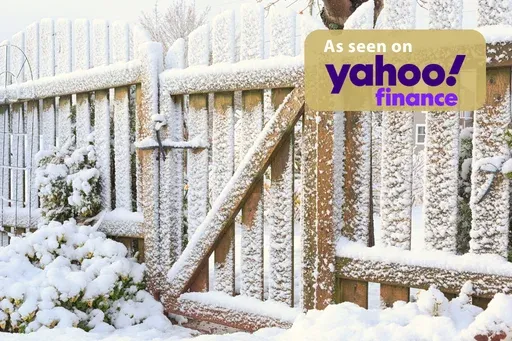
In Fort Collins, temperature swings and moisture cycles cause soil to expand and contract repeatedly throughout the year. During colder months, frozen ground can push upward against fence posts, while summer drying conditions may loosen surrounding soil.
Without professional planning, these cycles can eventually lead to leaning fences or uneven sections.
Water saturation weakens post support
Heavy irrigation, rainfall, or snowmelt can soften soil around fence foundations. Once moisture levels change again, the ground may settle unevenly and affect the entire fence line.
This is one reason professional fence services focus heavily on soil analysis before construction begins.
How professional fence installation starts with ground evaluation
Careful site preparation helps reduce future structural issues.
Soil composition determines installation strategy
Clay-heavy soil behaves very differently from sandy or rocky ground. Clay expands significantly with moisture, while sandy soil shifts more easily under pressure.
Experienced providers of fence services evaluate these conditions before deciding on post depth, anchoring methods, and overall fence design strategy.
Drainage patterns influence fence performance
Water movement across a property affects long-term stability. Areas with poor drainage are more likely to experience erosion or soil displacement around posts.
Before starting professional fence installation, contractors often identify low points and runoff zones that may require additional reinforcement.
Post depth matters more in shifting soil conditions
The depth and placement of fence posts directly impact durability.
Deeper posts improve long-term resistance
When soil movement is expected, installers may increase post depth to create stronger structural support. This reduces the likelihood of leaning or shifting over time.
Professional fence services prioritize proper anchoring because shallow posts are more vulnerable to frost heave and erosion.
Reinforced footings provide added stability
Concrete footings are commonly used during fence installation to help stabilize posts in active soil conditions. The right footing size depends on local climate patterns and ground composition.
Homeowners researching different layouts can explore fence installation options to better understand how preparation affects durability.
Fence design choices respond to environmental conditions
Different fencing layouts perform differently depending on soil behavior.
Flexible fence design helps reduce stress
Certain styles allow for minor ground movement without causing visible warping or separation. This is especially important in areas where seasonal soil shifting is common.
Thoughtful fence design allows the structure to remain visually balanced even as environmental conditions change throughout the year.
Material weight affects structural pressure
Heavier fencing materials place more stress on shifting soil. Lighter systems may reduce long-term movement in areas with unstable ground conditions.
Professional providers of fence services evaluate both design and material weight before recommending the most effective solution.
Climate conditions in Fort Collins create unique challenges
Local environmental factors influence every fencing project differently.
Freeze-thaw cycles increase ground movement
Winter conditions in Fort Collins can create repeated freeze-thaw cycles that place pressure on fence foundations. This movement gradually shifts improperly installed posts upward or sideways.
Professional fence installation accounts for frost depth to help minimize these effects.
Dry summers alter soil density
Extended dry conditions can shrink certain soil types and loosen the surrounding support structure. This may create gaps around posts if the installation was not properly reinforced from the start.
Experienced teams offering fence services plan for both wet and dry seasonal extremes to maintain fence stability year-round.
Why accurate measurements support better installation
Precision during planning improves overall fence performance.
Property grading affects alignment
Sloped or uneven properties require additional planning during professional fence installation. Fence lines must follow elevation changes while maintaining structural consistency across the property.
Proper grading analysis helps avoid future warping or tension along the fence structure.
Layout planning minimizes stress points
Long fence runs may experience greater pressure where soil conditions vary significantly across the yard. Strategic post spacing helps distribute weight more evenly and reduce strain on the structure.
According to the Natural Resources Conservation Service, soil movement and water behavior are major factors influencing outdoor structural stability.
Long-term fence performance depends on preparation
The strongest fences are usually the result of careful planning before construction begins.
Preventing repairs starts below the surface
Homeowners often focus on visible fence appearance, but underground preparation plays the biggest role in long-term durability. Proper fence services reduce the likelihood of leaning posts, uneven panels, and structural instability years after installation.
Professional installation improves lifespan
A carefully planned professional fence installation accounts for climate, soil composition, drainage, and long-term environmental pressure. This creates a fence system designed to perform consistently through changing seasonal conditions.
Many homeowners in Fort Collins rely on Top Rail Fence Fort Collins because detailed site preparation helps protect their investment over time.
Building fences that withstand changing ground conditions
Fence durability depends on far more than the visible materials above ground. Soil movement, moisture changes, drainage patterns, and seasonal weather all influence how a fence performs throughout its lifespan. Understanding these environmental factors allows professional installers to create stronger and more reliable structures.
Whether planning a decorative boundary or a large-scale privacy solution, investing in experienced fence services helps ensure long-term stability and visual consistency.
If you are considering a new fence installation and want expert guidance on soil conditions, structural planning, and custom fence design, visit the Contact Us page to connect with Top Rail Fence Fort Collins and explore fencing solutions designed for the unique environmental conditions found throughout Fort Collins.