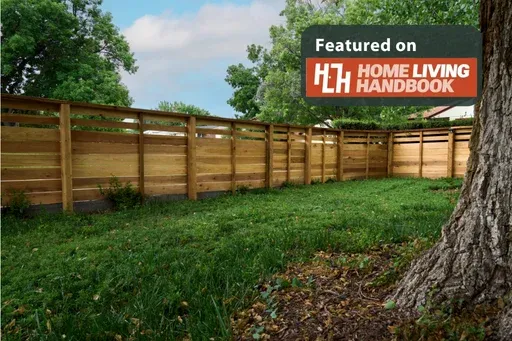
Open landscapes and shifting wind patterns are common across Fort Collins, especially in neighborhoods located near undeveloped land, open plains, and foothill corridors. These conditions can significantly influence how homeowners approach fence installation projects because airflow behaves differently in wide, exposed outdoor spaces than it does in tightly enclosed residential areas.
Homeowners researching wind-conscious fencing layouts often turn to Top Rail Fence Fort Collins to better understand how wind exposure affects long-term fence performance. Designing fencing systems around airflow patterns can improve durability while preserving the appearance and function of the property.
Why open space changes fence planning
Large outdoor areas create unique environmental pressures that influence both materials and layout decisions.
Wind movement behaves differently near open land
Properties bordering trails, fields, and undeveloped lots often experience stronger gusts than homes located in denser neighborhoods. These wind currents can create tunnel-like effects between homes, garages, and landscape features.
During a fence installation, understanding how wind moves through the property helps contractors determine spacing, reinforcement needs, and the most suitable materials for long-term stability.
Fence placement impacts airflow
Fence positioning can either reduce or intensify wind pressure. Solid barriers placed directly across open wind paths sometimes create concentrated force against fence panels and posts.
Professional planning helps create balanced airflow while still maintaining privacy and property definition.
Fence styles react differently to strong airflow
Not all fencing materials handle wind exposure the same way.
Semi-private layouts allow controlled airflow
Certain fence types are designed with spacing between boards or rails that allows air to move through the structure more naturally. This can reduce strain on posts and minimize stress during seasonal wind events.
Many homeowners choose semi-private or decorative layouts when fencing large backyard areas exposed to open space.
Fully enclosed fences require stronger reinforcement
Solid privacy fences can still perform well in windy areas, but they often require deeper posts and additional structural support. Reinforced installation methods help reduce movement over time.
Backyard wind tunnels influence post stability
Airflow patterns around homes can create pressure points that are not always visible during an initial walkthrough.
Narrow side yards increase wind force
Some homes create natural channels where wind accelerates between structures. These concentrated gusts can place additional stress on fence corners and gate sections.
Professional installers often adjust spacing and anchoring methods in these areas to improve structural support during high-wind conditions.
Soil conditions affect long-term performance
The soil composition in Fort Collins can vary from compact clay to loose, dry ground, depending on the neighborhood and drainage conditions. Wind pressure combined with shifting soil may gradually affect post alignment if installation methods are not adapted properly.
According to the Natural Resources Conservation Service, soil stability plays a major role in supporting outdoor structures exposed to changing environmental conditions.
Fence design decisions influence outdoor comfort
Wind-conscious layouts can improve how homeowners use their outdoor spaces throughout the year.
Controlled airflow supports better backyard usability
Completely blocking wind is not always the goal. In some cases, allowing moderate airflow through the fence helps create a more comfortable environment by reducing turbulence.
Strategic spacing and thoughtful panel placement can make patios, gardens, and outdoor seating areas feel calmer without fully enclosing the yard.
Fence height affects visibility and pressure
Taller fences provide additional privacy but may also experience stronger wind resistance. Professional crews balance height, spacing, and reinforcement to create more effective fence solutions for open properties.
This becomes especially important for homes near greenbelts, parks, and undeveloped land where wind exposure changes throughout the seasons.
Material selection becomes more important in exposed areas
Different materials respond differently to fluctuating weather conditions.
Wood fencing adapts naturally to outdoor environments
Wood fences remain popular because they offer flexibility in appearance and layout customization. Properly installed wood fencing can perform well in open areas when reinforced correctly.
Many homeowners appreciate how natural materials blend with surrounding landscapes while still supporting durable fence installation performance.
Metal and vinyl options offer additional durability
Some homeowners prefer metal or vinyl materials for properties exposed to stronger winds. These materials can provide consistent structural performance with lower maintenance requirements.
Exploring multiple fence types allows homeowners to compare visual style with long-term environmental performance.
Professional planning reduces long-term maintenance concerns
Thoughtful preparation during installation often helps minimize future repairs.
Reinforced corners improve structural balance
Corners and gate openings typically experience more movement during strong wind events. Additional reinforcement in these areas helps maintain fence alignment over time.
Professional installation teams evaluate these pressure points carefully before beginning construction.
Drainage patterns influence fence lifespan
Open properties often experience shifting runoff patterns during snowmelt and heavy rain. Water movement near fence posts can gradually weaken soil support if drainage is not considered during planning.
Many homeowners working with Top Rail Fence Fort Collins benefit from site evaluations that address both wind exposure and water flow before installation begins.
Outdoor aesthetics still matter in functional designs
A wind-conscious fence does not need to sacrifice appearance.
Design consistency supports curb appeal
Well-planned fencing complements the architecture of the home while maintaining structural stability. Consistent spacing, balanced proportions, and coordinated materials all contribute to a cleaner appearance.
Modern fence design strategies focus on combining functionality with visual appeal rather than treating them separately.
Open landscapes benefit from integrated layouts
Fencing that works with the natural surroundings often feels more intentional and visually balanced. Proper placement can frame outdoor views while still creating privacy and security.
Many property owners rely on Top Rail Fence Fort Collins to help create fencing systems that blend naturally with the surrounding environment while supporting long-term durability.
Choosing the right fencing approach for open properties
Wind exposure, open space, and backyard airflow patterns all influence how fencing systems should be planned in Fort Collins. A successful fence installation project considers more than appearance alone because structural performance depends heavily on environmental conditions.
Understanding how wind tunnels and open landscapes affect fencing decisions allows homeowners to choose layouts and materials that remain durable through changing seasons.
If you are planning a fencing project and want expert guidance on wind-conscious layouts, materials, and structural planning, visit the Contact Us page to connect with Top Rail Fence Fort Collins and begin designing fencing solutions tailored to your property.