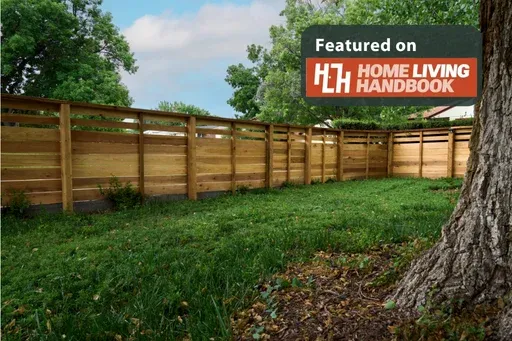
Homeowners in Fort Collins often underestimate how much irrigation runoff affects long-term fence stability. Proper fence services are not just about installing panels along a property line, but also about understanding how seasonal water movement reshapes soil, shifts posts, and impacts structural alignment over time. Working with Top Rail Fence Fort Collins helps property owners plan smarter layouts that account for moisture movement from the very beginning.
When fence installation happens near irrigation channels, even small grading issues can lead to leaning posts, soil erosion, or uneven fence lines. This is why experienced providers of fence services in the region treat runoff zones as a core design factor rather than an afterthought.
Understanding irrigation runoff behavior in Fort Collins landscapes
Irrigation systems in Fort Collins properties are often tied to lawns, agricultural edges, or community watering schedules. These systems create predictable yet powerful water movement patterns that directly influence soil stability.
How water flow reshapes fence foundations
Over time, irrigation runoff gradually softens the soil near fence posts. This is especially noticeable in low-lying sections of a yard where water naturally collects. Without proper planning during fence installation, posts can begin to shift or sink unevenly.
This is one of the main reasons homeowners rely on professional fence services instead of attempting installation without an environmental assessment.
Soil saturation and long-term structural movement
Sandy or loamy soil, common in parts of Fort Collins, absorbs water quickly but also releases it unevenly. This cycle creates expansion and contraction that affects both residential fence and commercial fencing projects.
A well-planned system of drainage awareness is essential for maintaining alignment and preventing premature repairs.
Why fence layout planning matters near runoff zones
The design stage of fence installation plays a much bigger role than many homeowners realize.
Elevation adjustments improve long-term stability
One of the first steps in professional fence services is evaluating elevation changes across the property. Slight adjustments in post depth or fence height can reduce direct exposure to water flow paths.
This is especially important for residential fence projects where landscaping and irrigation systems intersect frequently.
Strategic post placement reduces erosion risks
Instead of placing posts directly in runoff channels, installers often reposition sections slightly to avoid the strongest water paths. This approach helps extend the life of both fence installation and supporting materials.
For homeowners exploring layout options, fence services in Fort Collins provide detailed planning that accounts for long-term soil behavior.
Material choices that perform better in runoff conditions
Not all fencing materials respond the same way to consistent moisture exposure.
Treated wood supports residential environments
In many residential fence projects, treated wood is used because it can better withstand moisture fluctuations. However, even durable materials require proper drainage planning during fence installation to avoid long-term shifting.
Metal systems offer strength for commercial fencing
For commercial fencing, stronger materials such as steel or aluminum are often preferred. These systems are less affected by soil saturation but still depend on correct anchoring techniques.
Experienced providers of fence services ensure that both residential and commercial installations account for environmental stress factors unique to irrigation-heavy areas.
How drainage correction improves fence longevity
Proper drainage control is one of the most important aspects of successful fencing in runoff zones.
Grading adjustments redirect water flow
Before completing fence installation, installers often evaluate the yard slope and adjust grading where needed. This helps redirect water away from fence lines, reducing pressure on posts and foundations.
These adjustments are especially beneficial for long-term residential fence performance.
Gravel and backfill techniques stabilize posts
Another common strategy used in professional fence services is the use of gravel backfill around fence posts. This allows water to drain more effectively while keeping posts firmly anchored in place.
According to the U.S. Natural Resources Conservation Service, proper soil drainage significantly reduces structural shifting in outdoor installations exposed to recurring water flow.
Differences between residential and commercial runoff challenges
While both property types face irrigation exposure, the scale and intensity can vary significantly.
Residential fencing deals with localized irrigation systems
In residential fence installations, runoff typically comes from sprinklers, garden irrigation, or neighborhood watering schedules. These patterns are predictable but still require thoughtful fence installation planning to avoid long-term shifting.
Commercial fencing faces larger drainage systems
In contrast, commercial fencing may be exposed to broader drainage networks, parking lot runoff, or industrial water management systems. These environments require more reinforced fence services to ensure stability under continuous exposure.
How professionals prevent fence leaning and soil displacement
Preventing structural movement is one of the primary goals of expert installation teams.
Deeper post setting improves resistance
One of the most effective methods used during fence installation is increasing post depth in high-moisture zones. This anchors the structure more securely and reduces movement caused by soil softening.
Reinforced concrete bases enhance durability
Concrete footings are often used in both residential fence and commercial fencing projects to provide a stable base. This method ensures long-term resistance against shifting caused by irrigation runoff.
Skilled providers of fence services evaluate each property individually to determine the right level of reinforcement needed.
Long-term maintenance strategies for runoff areas
Even after installation, ongoing care is important in moisture-heavy zones.
Routine inspection prevents early damage
Regular checks help identify early signs of soil erosion or post movement. This is a key part of professional fence services, ensuring that small issues are corrected before they become structural problems.
Drainage monitoring supports fence stability
Homeowners are encouraged to monitor irrigation patterns and adjust sprinkler direction if necessary. Small changes can significantly improve the lifespan of fence installation work in runoff-prone areas.
Building stronger fences with smarter environmental planning
Successful fencing in Fort Collins is not only about selecting materials but also about understanding how water interacts with the landscape. Proper fence services integrate soil analysis, drainage planning, and structural reinforcement to ensure long-term stability.
Whether the project involves a residential fence around a backyard or large-scale commercial fencing, accounting for irrigation runoff from the beginning leads to better performance and fewer repairs over time.
If you are planning a fence installation near irrigation zones and want expert guidance tailored to local conditions, visit the Contact Us page to connect with Top Rail Fence Fort Collins and explore fence services designed to handle Fort Collins soil and water challenges effectively.