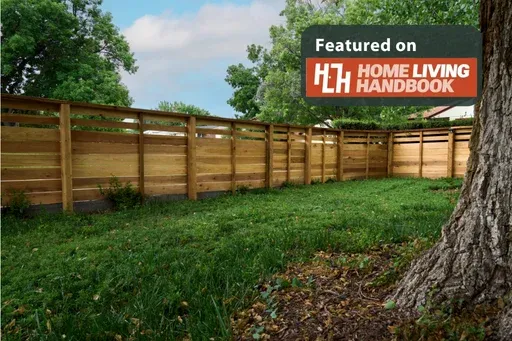
Replacing an entire fence is not always necessary when only certain portions have reached the end of their useful life. A wood fence can be evaluated section by section, allowing the stronger portions of an existing boundary to remain while deteriorated areas are replaced. For homeowners in Fort Collins, Top Rail Fence Fort Collins can help determine where a wood fence replacement makes sense and how new sections can connect with the portions that are still performing well.
A sectional approach can be particularly useful when different parts of the property experience different levels of weather exposure, moisture, landscaping contact, or everyday use. Instead of treating the entire fence as one uniform project, the replacement can respond to the actual condition of each section.
Start with a condition-based view of the existing fence
A fence can show different levels of wear along the same property line. One stretch may have sound posts and panels, while another may have leaning posts, damaged boards, or weakened connections.
Separate repairable areas from replacement areas
The first step is to look at the fence as a collection of individual sections rather than assuming every component needs to be removed. Boards that have weathered but remain structurally sound may have a different future from posts that have shifted or deteriorated.
This distinction can help determine whether a localized repair, partial rebuild, or complete wood fence replacement is appropriate for each portion of the boundary.
Pay attention to posts and structural points
Fence boards are highly visible, but posts often determine whether an older wood fence can continue performing properly. A section with attractive boards may still need attention if its posts have become unstable.
During an evaluation, corners, end posts, gate posts, and other heavily loaded points deserve particular attention. Replacing these structural elements may also affect how the remaining fence sections connect to the new work.
Look for changes along the property
A fence beside a shaded planting bed may age differently from one exposed to open sun and wind. Sections near sprinklers, downspouts, gates, or areas where vegetation touches the boards can also experience different conditions.
This makes a property-wide inspection useful before starting fence installation on any replacement section.
Decide where the new sections should begin and end
Once the existing boundary has been evaluated, the next challenge is determining where replacement sections should meet the portions that remain.
Use natural break points
A transition does not have to occur at an arbitrary location. Corners, gates, changes in direction, landscaping features, or changes in property elevation can provide natural places for new and existing sections to meet.
Using these points can make the wood fence replacement look intentional instead of making the property appear to have an unfinished patchwork of old and new materials.
Avoid unnecessary full-length replacement
If one section is failing while another remains structurally sound, replacing both may not provide meaningful additional value. A sectional plan can focus the project on the areas that need the most attention.
The exact approach will depend on the condition of the existing wood fence, the desired appearance, and how easily new materials can be coordinated with the portions being retained.
Consider future replacement phases
A homeowner may not want to replace every remaining section immediately. In that situation, the first phase should be planned with future work in mind.
Panel dimensions, post positioning, gate locations, and transitions can be considered so later wood fence installation does not create awkward connections.
Make new and existing sections work together
One of the biggest challenges with sectional replacement is creating a finished appearance when materials have different ages.
Coordinate the visual proportions
A new wood fence section can appear noticeably different from an older section because fresh boards have a different color and surface appearance. Matching the general height, panel proportions, post spacing, and rail arrangement can reduce the contrast.
The goal is not necessarily to make old and new wood look identical. Instead, the transition should appear deliberate and compatible with the rest of the property.
Pay attention to fence height
A new section that is significantly taller or shorter than the retained portion can make the replacement immediately noticeable.
Where the property's needs allow, keeping the height consistent can provide a smoother transition. If a height change is necessary, placing it at a corner, gate, or other natural stopping point can make the difference feel purposeful.
Coordinate gates with the replacement plan
Gates frequently require stronger structural support than standard fence panels. If an existing gate is located within a section being replaced, it may make sense to evaluate the gate, hinges, posts, and surrounding panels together.
A new gate can also become a useful transition point between an older boundary and a new wood fence installation.
Consider the practical reasons for replacing each section
A sectional project should not be based solely on appearance. Understanding why a particular area needs replacement can lead to a better long-term result.
Address sections affected by moisture
Water exposure can contribute to deterioration in wood fencing. Sections near irrigation, drainage paths, downspouts, or low areas of the property may require closer inspection than portions that remain relatively dry.
During wood fence replacement, correcting the surrounding conditions where practical can help prevent the new section from experiencing the same problem.
Examine areas affected by landscaping
Trees, shrubs, vines, and other plants can grow against or around a fence over time. Roots can affect the surrounding ground, while branches and dense vegetation can restrict access for maintenance.
A replacement plan should consider how nearby landscaping will interact with the new wood fence. This can include creating enough clearance for future growth and maintenance.
Evaluate high-use access areas
Fence sections around gates, driveways, walkways, and frequently used side passages can experience more physical contact than less accessible areas.
If these locations are deteriorating faster than the rest of the fence, reinforcing or replacing them as part of the project can address a practical need rather than simply improving appearance.
Plan the installation around the existing property
Sectional replacement requires more coordination than simply removing an old fence and installing a new one across the entire boundary.
Measure the retained sections carefully
The remaining fence provides important reference points for the replacement. Measurements should account for existing posts, corners, gates, grades, and the relationship between the fence and nearby structures.
This helps ensure the new wood fence does not create an unexpected shift in alignment where it meets the retained section.
Account for changes in grade
A property may not have a perfectly level fence line. New panels need to respond to slopes and elevation changes while still connecting cleanly with the older portions.
A professional fence installation can account for these variations during layout rather than forcing every section into a uniform position that does not suit the property.
Protect landscaping worth keeping
Replacing only selected sections can reduce the amount of landscape disruption compared with removing the entire boundary. Existing trees, planting beds, hardscaping, and other features can potentially remain in place where they do not interfere with the replacement work.
Colorado State University Extension emphasizes the importance of protecting established trees during construction because excavation, root damage, and soil compaction can affect long-term tree health.
Think about the long-term replacement strategy
A sectional wood fence replacement can be more effective when it is treated as a long-term property improvement rather than a one-time patch.
Establish a consistent design direction
Even if replacement happens over multiple phases, maintaining a consistent fence style can help the property retain a unified appearance. The same general panel configuration, height, post treatment, and gate style can make later sections easier to integrate.
This can also simplify future planning when another portion of the wood fence eventually requires replacement.
Avoid mixing too many design changes
Changing the fence style every time another section needs work can make the boundary look fragmented. If the goal is to replace the fence gradually, choosing a design that can remain relevant across future phases can provide greater visual consistency.
Budget around the actual scope
The cost of replacing a fence section depends on factors such as length, materials, access, removal requirements, posts, gates, terrain, and installation complexity. A sectional project may have a different cost structure from a full replacement because each phase has its own preparation and labor requirements.
Understanding the scope before work begins can make wood fence installation more predictable and help determine whether replacing a particular section now makes sense.
Preserve what still works while improving what does not
A property does not have to lose an entire existing boundary simply because some portions have deteriorated. A carefully planned wood fence replacement can focus attention on damaged or outdated sections while preserving portions that remain suitable.
Top Rail Fence Fort Collins can help evaluate how new sections should connect with an existing boundary and where replacement makes the most practical sense. A thoughtful wood fence replacement can account for fence condition, gates, landscaping, grades, and the visual relationship between old and new sections. When planning the project, reviewing fence services and installation options can help clarify the available approaches. Top Rail Fence Fort Collins can also help coordinate the details of the wood fence installation so the new sections fit naturally into the property's existing layout.
For homeowners in Fort Collins, replacing a fence in stages can provide a practical way to improve the property's boundary without automatically removing every section that still serves its purpose. If you are ready to determine which portions should be replaced first, use Contact Us to connect with Top Rail Fence Fort Collins and discuss a wood fence replacement plan built around the existing property.