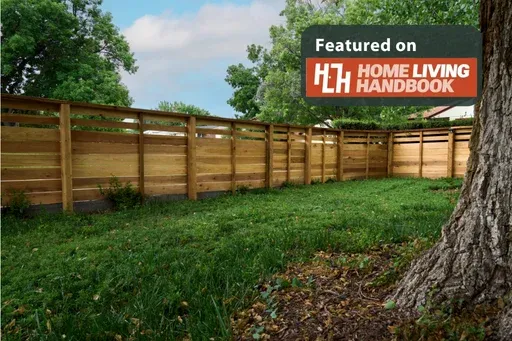
A side yard can shift from a polished extension of the home into a more practical space used for bins, gardening tools, service access, or seasonal equipment. A well-planned wood fence can define that change without making the property feel divided into unrelated sections. For homeowners in Fort Collins, Top Rail Fence Fort Collins can help create a boundary that connects the home's finished outdoor areas with less formal portions of the yard.
The transition does not have to be abrupt. Fence height, panel orientation, gate placement, landscaping, and the way the fence meets the house can all influence how naturally one area flows into another. Instead of treating the side yard as an afterthought, a wood fence can give it a deliberate role within the overall property.
Create a visual hierarchy from the main yard outward
The most finished areas of a property typically have stronger visual organization. Patios, landscaped lawns, outdoor seating areas, and garden spaces may receive more attention than narrow side passages. A wood fence can help establish a gradual transition between those different levels of finish.
Define where the primary outdoor space ends
A fence does not always need to create a complete visual barrier. It can simply establish the point where a patio, lawn, or entertaining area gives way to a more functional section of the property.
A carefully positioned wood fence can make that boundary clear without making the side yard feel disconnected. The transition might follow the edge of a patio, align with the rear corner of a home, or begin where a walkway changes direction.
Use the fence to frame the side yard
The side yard can remain accessible while still having a stronger visual identity. A fence running along one edge can create definition without enclosing every inch of the space.
This approach is useful when the side yard needs to accommodate movement between the front and back of the property. The wood fence establishes an edge while allowing the area to continue functioning as a passage.
Give informal areas their own character
Less formal does not have to mean neglected. A side yard containing garden supplies, compost bins, firewood, bicycles, or maintenance equipment can still look intentional when its boundaries are clearly established.
The right wood fence can provide a consistent backdrop while allowing the functional character of the space to remain.
Use changes in fence design to mark the transition
One continuous fence design is not the only way to create visual consistency. Subtle changes within a wood fence layout can help distinguish different portions of the property while keeping them connected.
Shift from privacy to openness
A more private fence style may suit a patio or outdoor living area, while an open design can make more sense along a side passage where visibility and airflow are useful.
The change can happen at a carefully selected point instead of occurring randomly along the property line. This gives the transition a clear purpose and keeps the overall wood fence design cohesive.
Adjust height with intention
A tall fence may provide privacy around a finished backyard area, but the same height may not be necessary throughout a side yard.
A controlled change in height can visually signal that the property's function is changing. During wood fence installation, these transitions should be planned so the change appears deliberate rather than caused by inconsistent measurements.
Coordinate posts and gate details
Posts can help establish rhythm along a fence line, while gates can signal where one part of the property connects with another. Matching post caps, rails, gate framing, and panel proportions can make different sections feel related.
These details are particularly important when a side-yard gate provides access to both the finished backyard and a more utilitarian service area.
Let landscaping soften the boundary
A wood fence can become more integrated with the property when landscaping is used to connect the built structure with surrounding outdoor spaces. Plants, mulch beds, ornamental grasses, and trees can soften the point where the finished yard transitions into a less formal area.
Use planting beds as a visual buffer
A narrow planting bed alongside the fence can create a gradual transition between lawn and fencing. Instead of having grass stop abruptly against a vertical wood surface, plants can introduce texture and variation.
The planting area can also help distinguish a decorative section of the yard from a service-oriented side passage.
Consider mature plant size
Plants placed close to a wood fence need enough room to develop without eventually crowding gates, panels, or walkways. Colorado State University Extension recommends considering mature plant size and site conditions when planning landscape plantings.
This matters particularly in a narrow side yard, where a shrub that seems appropriately sized when planted may eventually restrict movement or press against the fence.
Preserve established trees where possible
An existing tree can become a natural landmark within the transition between finished and informal areas. Rather than forcing the fence installation into a straight line that ignores mature landscaping, the layout can be evaluated around important landscape features.
Protecting established trees during construction can also reduce unnecessary landscape disruption.
Design the side yard around how it actually works
A transition should look good, but it also needs to accommodate the activities that take place beyond the main outdoor living area.
Preserve a usable route
Side yards frequently function as connections between the driveway, backyard, garage, garden, and service areas. A fence should not reduce the passage to an awkward corridor.
Before fence installation, consider the width needed for people, lawn equipment, wheelbarrows, bicycles, and other items that may need to move through the area.
Position gates where movement naturally occurs
A gate should support the way people already use the property. If the side yard provides the easiest route from the driveway to the backyard, placing a gate at an inconvenient point can undermine the purpose of the entire layout.
Gate width and swing direction should also be considered alongside nearby structures and landscaping. A properly positioned gate can make the wood fence feel like an organized connection rather than a barrier.
Leave room for future changes
Side yards can change functions over time. A space used for garden tools today might later accommodate recreational equipment, a workshop entrance, or additional landscaping.
Planning some flexibility into the wood fence installation can make those changes easier without requiring the entire boundary to be rebuilt.
Consider material choices alongside the transition
The appearance and expected maintenance of a wood fence can influence how well it fits between more finished and less formal parts of a property.
Select a wood style that fits both zones
A highly decorative fence may complement a formal patio but look out of place beside a utility area. Conversely, an extremely basic fence may not provide the visual finish desired around a primary outdoor space.
A balanced design can bridge both environments. Simple lines, coordinated posts, and an appropriate level of detail can allow the wood fence to work across the property's different functions.
Think about long-term maintenance
Wood naturally changes as it ages. Exposure to sun, moisture, snow, and temperature changes can affect its appearance over time.
Maintenance expectations should be considered when evaluating wood fence cost, because the initial installation price is only one part of the long-term investment. A design that is easy to access, inspect, and maintain can provide practical value beyond its initial appearance.
Compare the full scope of the project
Wood fence cost can vary depending on the fence's length, height, materials, gates, site conditions, removal requirements, and installation complexity. A simple side-yard transition may require fewer materials than a complete property enclosure, but unusual grades, tight access, existing landscaping, or custom gates can affect the scope.
A professional assessment can help clarify which design choices are necessary and which are simply aesthetic preferences.
Make the transition feel like part of the home's design
The strongest side-yard boundaries do not make the informal portion of a property look disconnected. Instead, the wood fence creates a visual progression from the home's most finished outdoor spaces toward areas designed for practical use.
Top Rail Fence Fort Collins can help plan a fence layout around existing landscaping, pathways, gates, and the different functions of a side yard. The right wood fence can provide definition while still allowing the less formal portion of the property to remain useful. For homeowners comparing design options and wood fence cost, fence services and installation options can provide a starting point for evaluating the project's scope. Top Rail Fence Fort Collins can also help coordinate the details of the wood fence installation so the transition looks intentional from both sides.
A carefully planned boundary can make the entire property feel more organized without requiring every outdoor area to have the same purpose or appearance. Top Rail Fence Fort Collins can help homeowners in Fort Collins create a wood fence that connects finished outdoor spaces with practical side-yard areas. To discuss the project, use Contact Us and begin planning a fence that fits the property's layout, style, and everyday use.