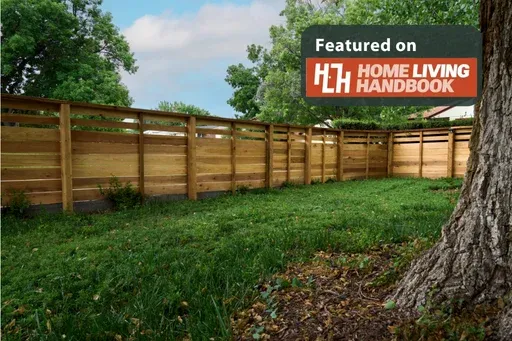
Backyard improvements usually focus on solving current needs. A family may want more privacy, a safer space for children, or a cleaner property boundary. While those goals are important, some fencing decisions can unintentionally restrict future plans. The placement, layout, and design of vinyl fencing can either support long-term flexibility or make future upgrades far more difficult.
For homeowners in Holland, planning beyond today's priorities can help create outdoor spaces that continue to work as lifestyles evolve. Through Top Rail Fence Holland, property owners can evaluate fencing solutions that support both present needs and future backyard projects without sacrificing appearance or functionality.
Looking beyond immediate privacy goals
A new fence often solves a specific problem. Blocking views from neighboring properties, improving security, or creating separation between outdoor spaces are common reasons for investing in vinyl fencing.
However, backyard spaces rarely remain unchanged for years. Families add patios, outdoor kitchens, fire pit areas, pools, sheds, gardens, and play structures. A fence that works perfectly today may create challenges when those additions become priorities later.
This is why thoughtful planning during vinyl fence installation is valuable. The fence should support future growth rather than limit it.
Thinking about future access points
One of the most common oversights involves gate placement. A fence design may appear complete until equipment needs to enter the yard for landscaping projects or construction work.
Without properly positioned access points, future improvements become more expensive and complicated. Temporary fence removal or modifications may be required to accommodate larger projects.
Considering long-term access needs during vinyl fence installation can help homeowners avoid unnecessary costs later.
When backyard expansion meets fence limitations
Outdoor living spaces continue to grow in popularity throughout Holland. What begins as a simple lawn often evolves into multiple functional zones over time.
Patio additions can change traffic flow
A fence layout that works around an empty backyard may not align well with a future patio or entertainment area. Walking paths can become awkward, gates may feel inconveniently located, and usable space may shrink unexpectedly.
Successful vinyl fencing projects account for how people will move through the property in the future rather than focusing solely on current layouts.
Recreational features require flexibility
Families frequently add basketball courts, play equipment, hot tubs, or swimming pools years after installing a fence. These additions require space and clear circulation patterns.
Fence placement that seems efficient today may reduce flexibility when new backyard features are introduced. Planning ahead helps preserve options for future improvements.
Fence height decisions that affect future projects
Height is another factor that deserves careful consideration.
A taller fence may provide immediate privacy benefits, but it can also influence how outdoor spaces feel as the property changes.
Balancing privacy and visibility
Dense vinyl fencing can create comfortable private environments. At the same time, excessive enclosure may limit visibility between different backyard zones.
As outdoor spaces become more complex, maintaining sightlines between gathering areas, gardens, and recreational spaces often improves usability.
According to the Bob Vila guide to fence styles, selecting the appropriate fence style involves balancing privacy, functionality, and long-term property goals.
Adapting to changing household needs
What feels private for a young family today may feel restrictive years later. Outdoor entertaining, gardening, and expanded recreational uses may benefit from different levels of openness.
Flexible planning allows vinyl fencing to remain useful even as household priorities evolve.
Choosing layouts that support multiple backyard phases
The most adaptable fence designs anticipate change.
Rather than treating fencing as a fixed perimeter, homeowners can view it as part of an evolving outdoor environment.
Creating room for future zones
Many properties naturally develop distinct activity areas over time. Dining spaces, relaxation areas, gardening sections, and pet zones often emerge as backyard use becomes more specialized.
Well-planned vinyl fencing helps organize these future zones without requiring major modifications. Homeowners researching fencing options can also explore vinyl fence solutions that accommodate changing outdoor priorities while maintaining visual consistency.
Preserving open-use areas
Leaving portions of the yard adaptable can be just as important as creating defined spaces. Large open sections provide flexibility for future projects that may not yet be part of the homeowner's plans.
This approach allows fencing to support long-term property growth rather than dictating how the yard must function.
Understanding the long-term impact on maintenance
Future maintenance requirements should also influence fencing decisions.
Accessibility affects upkeep
Landscaping evolves alongside outdoor living spaces. Trees mature, gardens expand, and planting beds become more complex.
Fence layouts that restrict access can make routine maintenance more difficult. Proper spacing and thoughtful positioning help ensure that future landscaping projects remain manageable.
This becomes especially important when evaluating long-term ownership costs alongside initial vinyl fence cost considerations.
Repair considerations matter
Although vinyl fencing is known for durability, occasional maintenance may still be necessary. Understanding how sections can be accessed, repaired, or modified contributes to better long-term performance.
Homeowners evaluating potential upgrades should consider how future vinyl fence repair needs might be handled without disrupting the rest of the property.
Matching fence design with future property value goals
Outdoor improvements influence more than daily usability. They also contribute to how the property is perceived over time.
Consistency supports curb appeal
Fence designs that accommodate future backyard projects tend to maintain a more cohesive appearance. Rather than requiring visible modifications later, the original design remains visually integrated as the property evolves.
This creates a stronger overall impression and supports long-term curb appeal.
Adaptability appeals to future buyers
Prospective buyers often appreciate outdoor spaces that can be customized to fit their own lifestyles. Flexible fencing layouts create opportunities rather than limitations.
A thoughtfully planned vinyl fencing project can, therefore, contribute to future resale value by supporting a wider range of backyard possibilities.
Making today's fence work for tomorrow's backyard
Every backyard changes over time. New hobbies, growing families, outdoor entertaining goals, and landscaping projects all influence how space is used. The best fencing decisions recognize that change is inevitable.
Working with Top Rail Fence Holland allows homeowners in Holland to evaluate fencing layouts that support both immediate needs and long-term flexibility. By carefully considering access, future projects, maintenance requirements, and evolving outdoor priorities, a fence becomes an asset rather than a limitation.
Whether evaluating vinyl fence installation, comparing vinyl fence cost considerations, or planning for future vinyl fence repair needs, strategic design choices can preserve opportunities for years to come. To discuss fencing solutions tailored to your property, connect with Top Rail Fence Holland through the Contact Us page and explore fencing strategies designed for lasting backyard functionality in Holland.