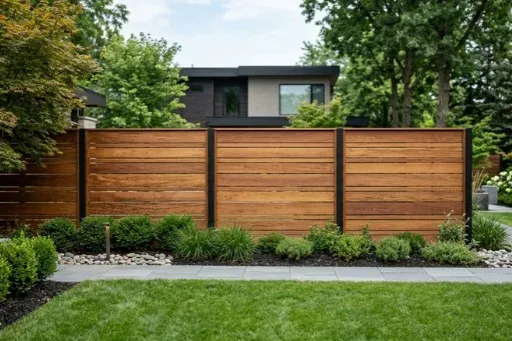
Preparing your fence for winter involves more than checking whether the panels are still standing. Falling leaves, overgrown branches, damp soil, and accumulating snow can expose weak points and contribute to premature wear. For properties in MetroWest, a seasonal inspection and timely fence installation adjustments or repairs can help protect the boundary before freezing temperatures arrive. Top Rail Fence MetroWest can help you identify areas that need attention and determine how to keep your fence in better condition throughout the colder months.
The most useful preparation combines routine cleaning, vegetation management, structural checks, and prompt repairs. These tasks are easier to complete before the ground freezes, and they can help prevent small maintenance concerns from developing into larger problems.
Start with a clean perimeter
Leaves, twigs, and other yard debris can trap moisture against fence materials. When damp organic matter remains around wooden boards or metal components, it can contribute to deterioration over time. Clearing the perimeter gives you a better view of the fence and makes it easier to spot damage before winter weather sets in.
Remove leaves from the fence line
Rake fallen leaves away from the bottom of the fence, especially where they have collected against posts, rails, and panels. Pay attention to corners, narrow side yards, and areas behind shrubs where debris can accumulate unnoticed.
Wet leaves can hold moisture against wood and obscure early signs of decay. Clearing them also helps expose gaps beneath the fence, disturbed soil, and other issues that might otherwise remain hidden until snow arrives.
Clean the fence according to its material
Different fencing materials need different cleaning methods. Wood fencing generally benefits from gentle brushing and an appropriate cleaner when needed. Vinyl panels can usually be washed with mild soap and water, while metal fencing may need careful cleaning around joints and fasteners.
Avoid aggressive pressure washing that could damage finishes, loosen components, or force water into vulnerable areas. Before applying a cleaning product, check that it is suitable for the material and follow the manufacturer's recommendations. Allow surfaces to dry appropriately before applying any protective treatment.
Manage trees and branches before heavy weather
Overhanging vegetation can become a significant concern during Massachusetts winters. Snow and ice add weight to branches, while strong winds can cause weakened limbs to fall against the fence. Trimming nearby vegetation reduces these risks and helps prevent avoidable damage.
Cut back branches that threaten panels
Inspect trees and large shrubs along the fence line. Remove dead, damaged, or dangerously overhanging branches that could strike the panels during a storm. Keep climbing plants and dense growth from covering fence connections, where they can make damage more difficult to detect.
For large limbs near buildings, utility lines, or unstable trees, contact a qualified tree-care professional instead of attempting the work yourself.
When preparing your yard for winter, it also helps to understand how nearby trees and vegetation respond to cold weather. The University of New Hampshire Extension offers helpful guidance on tree care and proper pruning techniques, including how to identify branches that may become hazardous after snow or ice. Applying these principles before winter can help reduce the risk of falling limbs damaging your fence and keep the surrounding area safer during severe weather.
Leave enough space for airflow and inspection
Vegetation pressed directly against a fence can retain moisture and restrict access for cleaning and repairs. Trimming shrubs back from the panels helps maintain airflow and gives you room to inspect posts, fasteners, and the lower edge of the structure.
During fence installation, appropriate clearance around trees and landscaping can make future maintenance easier. If your existing fence has become difficult to access, winter preparation is a good opportunity to reconsider how plants and other yard features are arranged around it.
Inspect the structure before the first freeze
Cleaning reveals the fence's condition, but a closer inspection determines whether it is ready to handle seasonal changes. Posts, rails, fasteners, and gates all contribute to stability. Check these components before winter makes outdoor work more difficult.
Check posts for movement and deterioration
Walk along the fence and look for posts that lean, shift, or appear separated from their surrounding soil. Pay particular attention to wooden posts near ground level, where persistent moisture can encourage rot. Metal post bases should also be checked for corrosion or loose connections.
A post that moves noticeably may need professional attention before the surrounding structure becomes unstable. During a fence installation, proper post placement and suitable support are essential to long-term performance. Existing posts that have deteriorated may need resetting or replacement rather than a superficial fix.
Examine panels, rails, and fasteners
Look for loose boards, cracked panels, missing screws, bent pickets, and rails that have separated from their supports. Gently check accessible components for movement without forcing them or putting yourself at risk.
Small defects can become more troublesome when winter winds repeatedly place pressure on the fence. Addressing them early can help prevent additional damage and reduce the likelihood of needing extensive fence repair during colder weather.
Protect vulnerable materials from moisture and snow
Massachusetts winters can bring snow, ice, freezing temperatures, and repeated changes between freezing and thawing. These conditions make moisture management an important part of seasonal fence maintenance services.
Keep soil from building up against the fence
Check whether soil, mulch, or garden materials have accumulated against the lower boards or posts. Excessive contact with damp soil can accelerate wood deterioration and conceal early signs of damage.
Where practical, maintain appropriate clearance between vulnerable materials and the ground. Avoid piling fresh mulch against wooden posts, and correct drainage problems that repeatedly leave water standing along the fence line.
Prevent snow from accumulating against panels
Snow piled against a fence can keep materials damp and place additional pressure on the structure. Before winter, identify areas where snow naturally collects because of roof runoff, drifting, or routine snow clearing.
When shoveling or operating snow-removal equipment, avoid pushing heavy piles directly against fence panels. Keep snow away from gates and their swing paths so they remain accessible. Never chip away at frozen snow with tools that could crack vinyl, damage wood, or scratch protective coatings on metal.
For properties with wood boundaries, reviewing suitable wood fencing options can also help you understand which materials and designs may fit your maintenance priorities over the long term.
Make repairs while conditions are manageable
A seasonal inspection is most useful when it leads to action. Loose panels, unstable posts, damaged gate hardware, and deteriorating finishes should be assessed before winter conditions restrict access to the affected areas.
Secure loose panels and repair damaged sections
Tighten or replace appropriate fasteners, resecure loose rails, and replace boards that are split or rotting beyond practical repair. If a panel has shifted because a post is unstable, correct the underlying problem rather than simply forcing the panel back into position.
Some repairs require specific temperatures or dry conditions, particularly when concrete, sealants, stains, or protective coatings are involved. Follow the manufacturer's instructions and consult a professional when the repair method depends on suitable weather.
Test gates and moving hardware
Open and close each gate to check for dragging, loose hinges, misalignment, and faulty latches. Remove leaves and debris from the gate's path, and ensure that surrounding soil or landscaping does not obstruct its movement.
A gate that already struggles to close may become more difficult to operate if snow or shifting ground affects the area around it. Fixing alignment and hardware issues before winter helps keep access convenient and secure.
Build a practical winter maintenance routine
Preparing a fence for winter is not a one-time task. A brief inspection after significant storms and another check when snow begins to melt can help identify problems early.
Use a simple seasonal checklist
- Clear leaves, twigs, and debris from the fence line.
- Trim branches that could fall onto the fence.
- Check posts, rails, fasteners, and panels for movement or damage.
- Clean the fence using material-appropriate methods.
- Repair loose panels and address damaged sections.
- Keep soil, mulch, and snow from accumulating against vulnerable materials.
- Confirm that gates open, close, and latch properly.
If you notice widespread deterioration, repeated structural problems, or posts that have become unstable, ask a qualified fence company to assess whether repairs or a more extensive solution are appropriate. Professional fence maintenance services can also help establish a maintenance plan based on your fence's material, age, and condition.
Give your fence a stronger start to winter
A well-maintained fence is better positioned to handle seasonal exposure, but preparation works best when it begins before freezing weather arrives. Clearing debris, managing nearby branches, checking structural components, and preventing moisture from accumulating against vulnerable materials can help preserve your investment. Regular attention also helps you identify when repairs are needed instead of waiting for visible failure.
For property owners in MetroWest, Top Rail Fence MetroWest can help evaluate the condition of an existing fence and discuss maintenance or fence installation needs before winter. If your inspection reveals loose panels, unstable posts, or damage that requires professional attention, visit Contact Us to discuss your project with Top Rail Fence MetroWest and plan the next steps for your property.