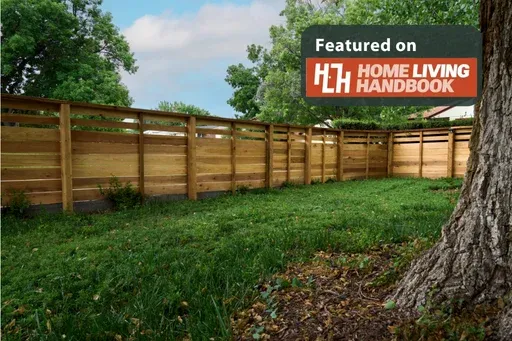
A professional fence installation is more than placing posts and attaching panels around a property. The process involves planning the layout, reviewing the site, preparing the ground, selecting appropriate materials, and making sure the finished fence works with the surrounding landscape. For homeowners planning a project in the area, Top Rail Fence MetroWest can help bring these considerations together before construction begins. Understanding what happens at each stage can make the project easier to prepare for and help set realistic expectations from the first consultation through the final inspection.
The installation process can vary according to the property's size, terrain, fence material, access requirements, and design. Knowing what to expect makes it easier to understand why each stage matters and how professional planning can affect the finished result.
The process starts with understanding the property
Before any fence is installed, the site needs to be evaluated. The layout of the property can influence where the fence can go, how many sections are required, where gates should be positioned, and what preparation may be necessary.
A professional assessment also provides an opportunity to identify obstacles that may not be obvious from a quick look at the yard. Trees, slopes, landscaping, existing structures, drainage areas, and other features can all affect the installation.
Reviewing boundaries and access points
Property boundaries are particularly important because the fence needs to be positioned appropriately within the available space. Access points should also be considered early, especially when the yard has narrow side passages or limited entry points.
Gate placement can affect how people move between the driveway, side yard, backyard, and other outdoor areas. Addressing these details during planning helps avoid unnecessary changes once installation is underway.
Selecting materials that fit the project
Material selection is one of the most noticeable decisions in a fence installation project. Wood, vinyl, ornamental metal, chain link, and other materials can produce very different appearances and maintenance requirements.
The right choice depends on what the homeowner wants the fence to accomplish. Privacy, security, curb appeal, durability, maintenance, and budget may all influence the final decision.
Matching the fence to the property's purpose
A privacy fence around a backyard may require different characteristics from a decorative boundary along the front of a property. Similarly, a fence intended to contain pets may have different spacing and gate requirements from one designed primarily for visual separation.
Considering the intended purpose before selecting a material helps ensure that the fence is useful as well as attractive.
Preparing the site before construction
Once the design and material have been established, preparation becomes an important part of the installation. The work area may need to be cleared of obstacles, and existing landscaping may need to be considered before crews begin digging.
Ground conditions can also influence the process. Soil composition, slopes, roots, and other underground conditions can affect how posts are installed and how the fence follows the property's terrain.
Protecting the surrounding landscape
Professional installation requires attention to the areas surrounding the fence line. Gardens, trees, walkways, patios, and other existing features should be considered during preparation.
Careful planning helps minimize unnecessary disruption while creating enough working space for the installation team to complete the project properly.
Setting posts establishes the fence's foundation
Posts provide the structural foundation for most fencing systems, making their placement particularly important. The spacing, alignment, and depth of the posts can influence the stability and appearance of the completed fence.
This stage also requires the installation team to account for changes in elevation. A fence line running across a slope may require a different approach from one installed across level ground.
Maintaining alignment across the fence line
A fence can look noticeably uneven when posts or panels are not properly aligned. Professional installation focuses on keeping the fence line consistent while adapting to the natural characteristics of the property.
Proper alignment also helps gates operate correctly and ensures that individual sections work together as one cohesive system.
Installing panels and finishing details
After the posts are established, the remaining components can be installed. Depending on the material and design, this may involve attaching rails, panels, pickets, sections, hardware, or decorative elements.
This is where the selected design begins to take shape, and the overall appearance of the fence installation becomes visible.
Paying attention to gates and hardware
Gates require careful installation because they need to move properly while remaining aligned with the surrounding fence. Hinges, latches, posts, and other hardware all contribute to how the gate functions over time.
A professional fence company can also help determine whether a standard gate or a wider access point is more appropriate for the property's intended use.
Understanding where project costs come from
The total fencing cost dover can vary considerably from one property to another. Fence length is an obvious factor, but it is not the only consideration.
Material, fence height, number of gates, terrain, site preparation, design complexity, and access can all influence the final project cost. A larger property may require more materials, while a smaller property with challenging terrain can require additional preparation.
Why the lowest estimate may not tell the whole story
Comparing fencing estimates solely by the final number can make it difficult to understand what is actually included. One proposal may include extensive preparation, specific materials, gates, and professional installation, while another may cover a narrower scope of work.
A useful estimate should make the project details clear so homeowners can compare the actual scope rather than simply comparing prices.
Before approving a fence installation, it can also help to understand the factors that influence the overall scope and requirements of the project. The Federal Trade Commission's consumer guidance recommends getting important project details in writing and understanding the terms of home improvement work before agreeing to a project. Reviewing this type of guidance can help homeowners prepare questions for their fence company and better understand what should be covered in an installation agreement.
Knowing what happens after installation
The installation does not necessarily end when the last panel is attached. A final walkthrough can help confirm that the fence follows the agreed layout and that gates, hardware, and other components function as expected.
This stage also gives homeowners an opportunity to review the completed work and ask questions about maintaining the fence.
Planning for future maintenance
Different fencing materials have different maintenance needs. Understanding how to care for the selected material can help preserve its appearance and performance.
If an existing fence later develops damaged sections, loose components, or other problems, professional fence repair may be appropriate instead of replacing the entire system. Addressing smaller issues early can help prevent them from becoming larger structural concerns.
Professional planning can simplify the entire project
A well-organized fence installation brings several stages together, from the initial property assessment to material selection, site preparation, construction, and final inspection. Each stage affects the next, which is why careful planning can make a significant difference to the finished fence.
Top Rail Fence MetroWest approaches residential fencing with attention to the property's layout and the homeowner's intended use of the space. Whether the priority is privacy, security, appearance, or defining outdoor areas, the installation should be planned around those goals rather than treated as a one-size-fits-all project.
Turning the plan into a finished boundary
Once the design has been established and site conditions have been addressed, installation becomes a much more predictable process. Clear expectations about materials, access, preparation, timing, and cost can also make it easier for homeowners to prepare their property before work begins.
For homeowners considering fence installation in the MetroWest area, working with Top Rail Fence MetroWest can provide professional guidance throughout the process, from developing the initial layout to completing the finished fence. If you're ready to discuss your property, installation requirements, or fencing cost dover, visit the Contact Us page to connect with the team and take the next step toward your fencing project.