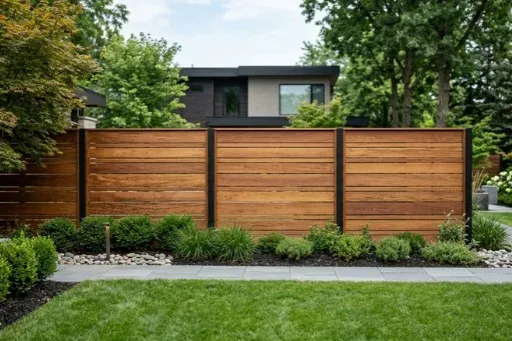
A fence that looks stable during mild weather may reveal serious weaknesses when winter brings freezing temperatures, strong winds, and repeated freeze-thaw cycles. For properties in MetroWest, deciding whether to invest in fence repair or fence replacement before the season changes can help protect your yard, preserve privacy, and prevent existing damage from getting worse. Top Rail Fence MetroWest can help you assess the condition of your fence and determine which approach makes sense for your property's needs.
The key is to look beyond surface appearance. A missing board or loose latch may be a straightforward repair, while widespread structural damage can indicate that the fence is nearing the end of its useful life. Recognizing the warning signs early gives you more time to arrange the right solution before winter weather makes outdoor work more difficult.
Spot the warning signs before temperatures drop
A careful inspection can reveal whether the fence needs targeted attention or a more extensive solution. Walk along the entire perimeter, check the gates, and examine the posts and panels at ground level. Pay attention to changes in alignment, material condition, and the stability of the structure.
Look for sections that lean away from the fence line
A leaning section may indicate loose posts, shifting soil, damaged rails, or weakened connections. Even a slight tilt deserves attention if it has become more noticeable over time. Winter winds can place additional pressure on an unstable fence, especially when solid panels catch strong gusts.
If the problem affects one panel and the surrounding posts remain firmly anchored, fence repair may be sufficient. However, leaning across several connected sections can point to a larger structural issue that requires a more thorough assessment.
Check whether posts move when pressure is applied
Fence posts support the entire structure, so their condition matters more than the appearance of the boards attached to them. A post that shifts noticeably may have a deteriorated footing, loose soil around its base, or damage below ground level.
Do not assume that tightening a few screws will solve the problem. If several posts are unstable, the fence may no longer have the support needed to withstand winter conditions. A professional assessment can help determine whether individual posts can be reset or whether broader fence replacement is worth considering.
Identify rotting wood before it spreads
Wood fencing is particularly vulnerable where moisture remains around the bottom of boards and posts. Look for soft spots, crumbling areas, discoloration, splitting, and sections that appear weakened near the ground. Rot can compromise the structure even when the upper portions still look presentable.
Limited deterioration may be manageable through fence repair, such as replacing damaged boards or addressing an affected post. When decay extends across numerous posts, rails, and panels, replacing the fence may offer a more practical long-term solution than repeatedly repairing damaged sections.
Compare the damage across different fence materials
The type of fencing you have affects which repairs are possible and how much deterioration is acceptable before replacement becomes the better option. Material-specific warning signs can help you decide where to focus your inspection.
Examine rust and damage on metal fencing
Metal fences can develop rust around joints, fasteners, posts, and areas where protective coatings have worn away. Look for flaking surfaces, bent pickets, broken welds, and connections that no longer hold securely.
Small areas of surface rust may be treatable if the underlying metal remains sound. However, extensive corrosion, fractured components, or badly weakened support posts can compromise the fence's strength. In these cases, fence replacement may be more appropriate than repeatedly patching individual areas.
Inspect vinyl panels for cracks and separation
Vinyl fencing generally requires relatively little routine maintenance, but it can still sustain damage from impacts, aging, and temperature changes. Check for cracked panels, broken rails, loose connections, and sections that have pulled away from their posts.
A damaged panel may be replaceable without removing the entire fence, provided compatible materials are available, and the supporting structure remains sound. When cracks appear across multiple sections, or the posts and rails are also failing, compare the cost and expected lifespan of fence repair against a complete replacement.
Test gates that no longer close properly
A gate that drags along the ground, hangs unevenly, or refuses to latch can indicate worn hinges, loose hardware, shifting posts, or a distorted frame. These problems may worsen as ground conditions change during winter.
Start by identifying whether the fault is isolated to the latch or hinges. If the gate frame is intact and the supporting posts remain stable, a targeted repair may restore proper operation. If the gate has dropped because its posts have shifted or deteriorated, those structural issues must also be addressed.
Decide when a repair is enough
Not every damaged fence needs to be replaced. If the majority of the structure remains sound, focused fence repair can restore its function without the expense and disruption of installing a completely new boundary.
Prioritize isolated damage
Repairs are often worth considering when:
- Only a few boards or pickets are broken.
- One section has loose fasteners or damaged rails.
- A gate needs new hinges, an adjusted latch, or minor alignment work.
- A small area of metal corrosion has not weakened the underlying structure.
- A replaceable vinyl panel is cracked while the remaining fence is in good condition.
The important consideration is whether the damaged components can be repaired without leaving other structural weaknesses unresolved. Replacing one board will not solve a rotting post, and tightening a gate latch will not correct a leaning support.
Consider the cost of repeated repairs
An inexpensive repair can make sense when the problem is limited. However, repeated service calls for different sections may eventually cost more than replacing the fence with a new system.
Compare the current repair estimate with the likely cost of addressing other visible defects in the near future. Ask whether the remaining fence is expected to provide dependable service for several more seasons. A professional fence company can help assess the overall condition rather than evaluating each damaged component in isolation.
Recognize when replacement offers better value
Some fences reach a point where repairing individual sections no longer addresses the underlying deterioration. Widespread damage, recurring instability, and multiple failing components can all indicate that a new fence deserves serious consideration.
Evaluate the condition of the entire structure
Fence replacement may be the more practical option when numerous posts are unstable, wood rot extends across several sections, metal components have significant corrosion, or vinyl panels repeatedly crack. Extensive damage can also make it difficult to match replacement components to an older fence.
If the existing layout no longer meets your needs, replacement provides an opportunity to reconsider the fence's height, style, gate placement, and materials. You can explore wood fencing options to compare styles and consider whether a different design would better suit your property.
Factor in the timing of winter weather
Cold weather does not automatically make every fence repair impossible, but frozen ground, snow, and wet conditions can complicate excavation, post setting, and material handling. Some repair methods also depend on temperatures and installation requirements specified by the material or product manufacturer.
The National Weather Service's winter weather safety guidance explains why winter conditions require additional preparation and caution. Planning repairs before severe weather arrives can provide more flexibility when scheduling work and addressing existing damage.
Prepare your MetroWest fence for the season ahead
A winter-ready fence does not necessarily need to be brand new. It needs stable posts, secure connections, sound panels, and gates that function correctly. Inspecting these elements before temperatures drop can help you distinguish manageable damage from structural problems that warrant a larger investment.
For properties in MetroWest, arrange an assessment early enough to address significant issues before winter conditions complicate the work. Top Rail Fence MetroWest can help you evaluate the available options and determine whether fence repair, fence replacement, or a new fence installation best suits your property's condition and budget. To discuss your project, visit Contact Us and connect with Top Rail Fence MetroWest about preparing your fence for the colder months.