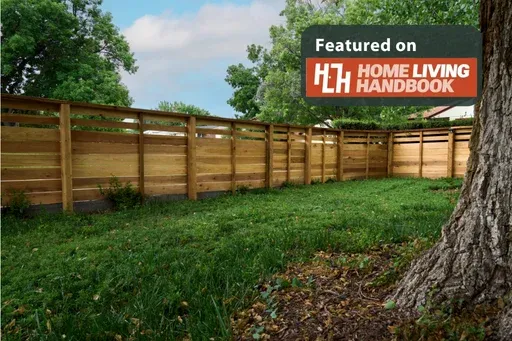
One of the biggest concerns I hear from North Dallas homeowners isn’t just privacy — it’s noise. Whether it’s traffic, neighbors, or nearby activity, unwanted sound can take away from the comfort of your outdoor space.
A fence won’t make your yard completely silent, but the right materials and design can significantly reduce noise and create a much more peaceful environment. The key is density, height, and a completely solid structure with no gaps.
Here are the top three fence types that actually make a difference when it comes to reducing noise.
1. Solid Cedar Privacy Fence
A properly built cedar privacy fence is one of the most practical and effective options for residential noise reduction.
Solid wood panels help block and absorb sound waves, especially when there are no gaps between pickets. In North Texas, cedar is a strong choice because it holds up well in heat and naturally resists decay.
For better sound control, we typically recommend:
- 6-foot height (or maximum allowed by HOA)
- No-gap construction
- Cap and trim for added density and stability
- Board-on-board or tightly sealed pickets for stronger coverage
The more solid and continuous the fence, the better it performs against everyday neighborhood noise.
Best for: Homes near busy streets or tight residential spacing where both privacy and sound reduction matter.
2. Board-on-Board Wood Fence
If noise reduction is the priority, board-on-board construction is a step up from standard privacy fencing.
This design uses overlapping vertical pickets, eliminating direct gaps even as the wood naturally expands and contracts over time. That overlap creates a thicker, more continuous sound barrier, which helps reduce both visual and audio intrusion.
It also tends to last longer in appearance since minor wood movement doesn’t create openings.
Best for: Homeowners who want stronger sound buffering and a more premium privacy fence build.
3. Masonry or Stone Wall Fencing
When it comes to maximum noise reduction, masonry fences are the most effective option available for residential properties.
Brick, stone, or concrete walls are extremely dense, which makes them far better at blocking sound compared to lighter materials. Their solid mass helps reduce both traffic noise and neighborhood activity more noticeably.
They are also:
- Extremely durable
- Low maintenance
- Long-lasting with minimal upkeep
While they are a higher investment, they provide the strongest overall performance for sound control.
Best for: Homes near highways, busy roads, or high-activity areas where noise is constant.
What Actually Makes a Fence Better at Blocking Noise
Across all fence types, performance comes down to a few key factors:
- No gaps: Even small openings allow sound through
- Height: Taller fences reduce more noise exposure
- Mass: Heavier materials block sound more effectively
- Solid structure: Continuous runs perform better than segmented designs
Even the best fence won’t eliminate noise completely, but the right build can make a noticeable difference in day-to-day comfort.
If noise is affecting how you enjoy your yard, choosing the right fence design can help create a quieter, more comfortable outdoor space.
If you’d like, we can walk your property and recommend the best noise-reducing fence setup for your situation.