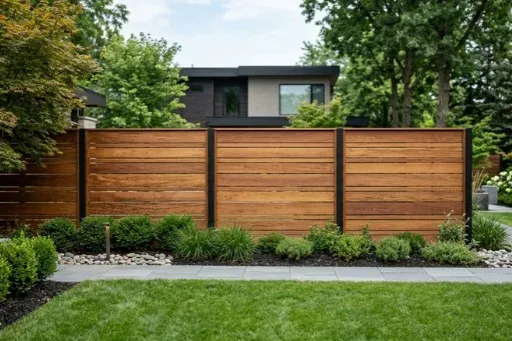
Fall can be a practical season for fence installation in New Jersey, particularly for property owners who want to complete an outdoor project before winter arrives. Cooler temperatures can make working outdoors more comfortable, while seasonal scheduling changes may create opportunities to secure a contractor before the next spring rush. Through Top Rail Fence North Jersey, property owners can explore installation options and plan a fence around their property's layout, intended use, and seasonal conditions.
The key is to understand how autumn weather, contractor availability, soil conditions, and project preparation affect the installation process. Fall is not automatically the best season for every property, but with the right planning, it can offer several advantages.
Why cooler autumn weather can favor fence installation
Summer heat can make outdoor construction more demanding, especially when a project involves digging post holes, moving materials, and setting fence posts. Autumn often brings milder working conditions across New Jersey, which can make scheduling and completing certain stages of fence installation more manageable.
Make outdoor work more comfortable
Moderate temperatures can create a more comfortable environment for installation crews performing physically demanding tasks. Digging, carrying panels, positioning posts, and assembling fence sections require sustained outdoor work, so avoiding the hottest days of summer can be beneficial.
Cooler weather does not eliminate every installation challenge. Rain, strong winds, and sudden temperature drops can still interrupt the schedule. However, a stretch of dry, moderate weather may provide a useful opportunity to complete the project before winter conditions become more difficult.
Prepare the property before winter
Installing a fence in fall can help establish a clear boundary before snow, ice, and winter outdoor activities arrive. A completed fence may also provide privacy, define access points, and help organize a yard for the colder months.
The important consideration is timing. The project needs enough suitable weather for excavation, post placement, concrete curing where applicable, and final adjustments. A contractor should assess the forecast and installation requirements before confirming a start date.
How can seasonal demand affect contractor availability?
Spring and summer are popular periods for outdoor improvements, and fencing projects often compete with landscaping, deck construction, and other residential work. As demand changes in autumn, some contractors may have more scheduling flexibility. That makes fall worth considering if you want to arrange fence installation without waiting for the next peak season.
Ask about openings before the weather changes
A fence company may have different appointment availability depending on its current workload, project size, material supply, and crew schedule. Contacting contractors early in fall gives you more time to discuss the property, compare proposals, and determine whether the work can be completed within your preferred timeframe.
Availability is never guaranteed simply because it is autumn. Contractors may still have a busy schedule, particularly after a period of favorable weather. Ask about realistic start dates and the possibility of weather-related delays rather than assuming an immediate installation is possible.
Use the extra planning time wisely
If a contractor can accommodate your project, use the lead time to finalize the fence design, confirm property boundaries, choose materials, and identify gate locations. Resolving these details before the crew arrives can reduce avoidable delays.
This preparation is especially valuable for properties with slopes, landscaping, narrow access routes, or existing structures near the planned fence line.
Check whether the ground is ready for posts
Air temperature is only one part of the seasonal equation. Successful fence installation also depends on soil conditions, drainage, and whether the ground can be excavated safely. In New Jersey, autumn rainfall and approaching freezes can influence how easily crews prepare post holes and secure the fence.
Watch for saturated soil after heavy rain
Wet ground can make digging more difficult and affect the stability of the work area. If water collects along the proposed fence line, the installer may need to evaluate drainage or adjust the installation plan before proceeding.
A brief dry spell can provide a better opportunity to work, but conditions vary from one property to another. Discuss low spots, muddy areas, and sloped sections with your contractor before selecting an installation date.
Avoid leaving the project too late
As temperatures drop, frozen ground can complicate excavation. Installation materials also have specific handling and curing requirements, so the crew must consider the products being used and the expected weather.
Ask your installer how late-season conditions may affect post setting, concrete curing, and the overall schedule. If the forecast becomes unfavorable, postponing the work may be more sensible than rushing through an installation that needs proper preparation.
Choose fencing that suits the property and season
Autumn is a useful time to review how a new fence will function throughout the year. The right design should meet your privacy, security, access, and appearance needs rather than being selected solely because a contractor has an opening.
Match the material to your priorities
Wood, vinyl, aluminum, and chain-link fencing each offer different combinations of appearance, maintenance needs, privacy, and durability. Consider how much screening you want, whether the fence will surround pets or children, and how much ongoing upkeep you are prepared to handle.
A qualified fence company can help you compare options based on the property's layout and intended use. Review the available fence styles and materials before finalizing your choice, especially if you want the new fence to complement existing landscaping or outdoor features.
Plan gates and access points early
Gate placement can influence the layout, post locations, and amount of preparation needed. Think about how people will move between the driveway, backyard, garden, and side entrance. For a commercial property, consider delivery access, staff movement, and the need to control entry.
Settling these decisions before fence installation begins helps the contractor prepare a more complete plan and reduces the likelihood of changes during construction.
Complete essential checks before digging
A fall schedule can move quickly when the weather is favorable, but preparation should never be skipped. Confirm the proposed fence line, check local requirements, and identify underground utilities before excavation begins.
Confirm local rules and property boundaries
Fence height, placement, and permit requirements can vary by municipality and property type. Check with your local building department before work starts, particularly if the fence will sit near a sidewalk, road, easement, or shared boundary.
Do not rely on an existing fence as definitive proof of the property line. If the boundary is unclear, arrange for the appropriate records or professional survey before installation.
Arrange utility marking in advance
Post holes can intersect buried gas lines, electrical cables, water pipes, and communications infrastructure. The New Jersey Board of Public Utilities' guidance on calling 811 before digging explains why underground utilities should be marked before excavation and why contractors should confirm that the markings are in place.
Build this step into your schedule rather than waiting until the crew is ready to dig. It supports a safer process and helps prevent avoidable interruptions.
Know when repairs are a better option
A complete replacement is not always necessary just because a fence looks worn before winter. If the existing structure is mostly sound, targeted repairs may restore its function without requiring a full installation.
Evaluate the condition of the existing fence
Check for leaning posts, loose panels, damaged boards, sagging gates, and areas where the fence has separated from its supports. These issues may indicate localized damage, age-related deterioration, or movement in the surrounding soil.
Searching for fence repair North Jersey can help you explore repair options when only part of the structure needs attention. An inspection can clarify whether individual sections can be repaired or whether replacement would be a more practical long-term solution.
Decide whether to repair now or replace
Fall can be a suitable time to address a damaged fence before winter weather adds further stress. However, extensive post damage, widespread rot, or repeated structural problems may justify considering a new fence instead.
Discuss both options with your contractor, taking into account the fence's condition, intended lifespan, and the work required. If replacement is necessary, the same autumn planning advantages may apply to the new fence installation.
Make your fall fencing plan work
Fall can offer two useful advantages: cooler installation temperatures and potentially more contractor availability as seasonal demand changes. Neither is guaranteed, and suitable ground conditions, material requirements, and the remaining weather window still determine whether a project can proceed smoothly.
For property owners considering a local fence company, the best approach is to arrange an assessment early, finalize material and gate selections, confirm local requirements, and leave room in the schedule for weather delays. This preparation can help you make an informed decision about whether fall is the right time for your project in New Jersey.
If you are planning fence installation or need guidance on your property's fencing options, Top Rail Fence North Jersey can help you discuss the scope and timing of your project. Contact Top Rail Fence North Jersey through the Contact Us page to explore the next steps and determine whether autumn conditions are suitable for your fence.