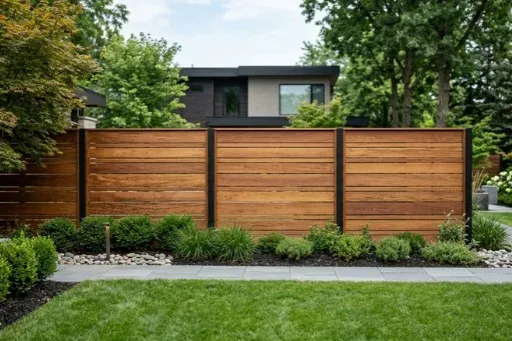
Planning a fence installation in North Jersey involves more than choosing a style and deciding where the posts should go. Before purchasing materials or scheduling a crew, you need to understand which approvals apply to your property. Through Top Rail Fence North Jersey, you can explore fencing solutions while preparing for the local rules that may affect your project.
The short answer is that a separate construction permit is not always required, but zoning approval may still be necessary. New Jersey's construction code generally exempts fences six feet high or shorter from construction permits, except barriers around public or private swimming pools. However, individual municipalities may require zoning permits or other approvals even when a construction permit is not needed.
The distinction matters because permit requirements depend on the type of work, the fence's height and purpose, and the rules enforced by your municipality. Checking these details before starting can help prevent unexpected delays or the expense of correcting unapproved work.
Understand the difference between construction and zoning permits
The word “permit” can refer to different approvals, so it helps to know what each one covers before arranging fence installation.
When a construction permit may apply
Under New Jersey's Uniform Construction Code, fences six feet high or shorter generally do not require a construction permit. The exception includes fences serving as barriers around public or private swimming pools. Taller fences may also fall outside the exemption and require further review under the applicable code.
Do not treat the six-foot threshold as permission to build without checking other requirements. It addresses the construction permit exemption, not every zoning, land-use, or property restriction that might affect the proposed fence.
Why zoning approval still matters
Zoning rules can control where a fence is placed, how tall it can be, and whether it is permitted in a front yard, side yard, or rear yard. Some towns require a zoning permit for every new fence, including installations that do not need a construction permit.
For example, Hazlet Township states that fences six feet high or shorter do not need a construction permit, but zoning approval is required for all fence installations. Allendale Borough also requires a fence zoning application and identifies additional requirements for certain fence heights and locations.
These examples show why a statewide rule cannot replace a check with your local zoning office.
Verify your town's rules before selecting a fence
A fence installation can be treated differently from one municipality to another. Confirming the rules for your exact property is the most reliable way to determine which applications, documents, and inspections may be needed.
Contact the municipal zoning office
Start with the zoning or planning department serving your address. Explain whether the project involves a new fence, replacement of an existing fence, a change in height, or a different material. Ask whether zoning approval is required and whether construction permits or inspections also apply.
Be specific about the location. A fence beside a street, on a corner lot, near an easement, or around a pool may be subject to additional requirements.
Ask what documents you must submit
Your municipality may request a property survey or plot plan showing the proposed fence line, the fence's height and material, and its distance from property lines or public rights-of-way. Some locations may require the proposed fence line to be marked before an application can be reviewed.
Check the application instructions before paying fees or arranging work. Submitting the correct documents at the beginning can help avoid delays caused by missing information.
Check the fence layout against property restrictions
Even if your planned fence falls within the construction code's permit exemption, its position and design may still need to comply with local zoning rules. Sorting out these details before installation is easier than moving posts or replacing panels after the work is complete.
Confirm property lines and setbacks
Review a current property survey to understand where your land ends and any required setbacks begin. Do not assume an old fence marks the legal boundary accurately. If the boundary is uncertain, consult a licensed surveyor before finalizing the layout.
Setback requirements can affect how close a fence may sit to a sidewalk, street, neighboring property, or easement. Corner lots may also have visibility requirements intended to keep driveways and intersections safe.
Review height, placement, and special conditions
Ask whether the municipality applies different standards to front yards and rear yards, or limits certain materials and fence styles. A fence surrounding a pool may trigger additional construction and safety requirements. Properties in historic districts, regulated environmental areas, or locations with easements may also need separate review.
For a broader overview of how New Jersey handles construction approvals, consult the state's building permits and inspections guidance. It explains that municipal building and construction departments administer permits and that requirements can differ according to the project and location.
Choose fence options that meet your property's needs
Once you understand the approval process, you can compare fence options with fewer surprises. Material, height, and design all influence the appearance and function of a fence, and some choices may affect which local rules apply.
Compare materials before committing
Wood can provide a traditional look and privacy, while vinyl offers a different maintenance profile. Aluminum may suit a property where visibility is important, and chain link can provide a practical boundary without fully blocking the view.
Explore different fence styles and materials to narrow down the options that fit your property. Before placing an order, confirm that the selected height, style, and placement are acceptable under local rules. Avoid assuming that an existing fence's design is automatically approved for a replacement.
Consider gates and access points
Gates can affect the layout and use of a fence, particularly near driveways, sidewalks, shared boundaries, or pool areas. Think about where people will enter and leave, whether vehicles need access, and whether the gate could obstruct a public path.
Include gate locations in your initial site plan. If a gate changes the layout near a street or property line, ask the zoning office whether that change affects the approval process.
Coordinate with your contractor before work begins
A fence company can help identify the practical details involved in fence installation, but property owners should confirm local approvals directly with the relevant municipal office. Clear responsibilities at the planning stage can help keep the project organized.
Confirm approvals before scheduling the crew
Share the proposed fence height, materials, layout, and property survey with your contractor. Ask which documents the contractor can help prepare and which applications you must submit yourself. Do not schedule excavation until required approvals are secured and any necessary utility marking has been completed.
Keep copies of applications, approvals, surveys, and correspondence. If the project changes after approval, check whether the revised design needs another review before proceeding.
Account for changing requirements
Permit requirements can change. Municipal ordinances, application procedures, fees, and code interpretations may be updated, so information that was accurate for a previous project may not apply today. Verify the current requirements with your municipality immediately before starting work, even if a neighbor has installed a similar fence without a permit.
This is especially important when replacing an older fence, changing its height, installing a pool barrier, or working near a regulated area.
Move forward with a permit-ready plan
The safest approach is to verify the rules for your specific address, obtain any required zoning or construction approvals, and finalize the fence design only after you understand the restrictions. This helps you choose appropriate fence options, coordinate the work, and avoid preventable compliance issues.
Working with a local fence company can also help you plan the layout, compare materials, and identify questions to resolve before installation. Top Rail Fence North Jersey can help you discuss your project requirements and consider a suitable approach for your property.
Before work begins, remember to confirm the latest rules with your municipal zoning or construction office. If you are ready to discuss your fence installation plans, visit Contact Us to connect with Top Rail Fence North Jersey and explore the next steps.