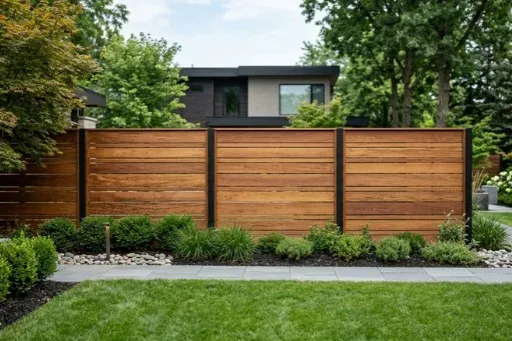
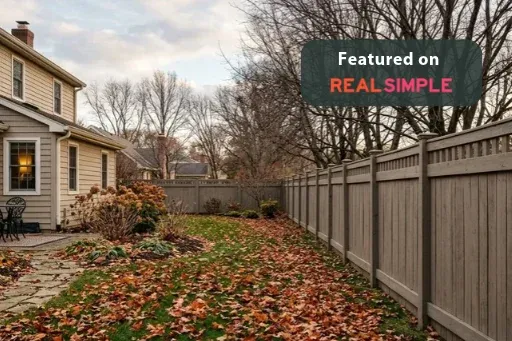
Fence design influences how a property looks, how much privacy it offers, and how people move through outdoor spaces. Traditional fencing often emphasizes familiar materials, decorative details, and established proportions, while modern designs tend to feature clean lines, streamlined profiles, and a more minimal appearance. During fence installation, understanding these differences can help you select a style that suits your property's architecture and practical needs.
In North Jersey, where properties range from older homes with established landscaping to newer builds with contemporary exteriors, the right design should complement the setting rather than compete with it. Working with Top Rail Fence North Jersey can help you assess how different styles may fit your property's layout, desired privacy, and long-term plans.
How traditional and modern fences create different impressions
Traditional and modern fencing are not simply different appearances. Each design approach uses proportion, spacing, materials, and decorative features to create a distinct effect.
Traditional styles emphasize character and detail
Traditional fences commonly feature picket profiles, decorative post caps, visible rails, and ornamental metalwork. These details can complement Colonial, Victorian, farmhouse, and other architectural styles with established design features.
A traditional picket fence, for example, can define a front yard without completely blocking views. Ornamental metal fencing offers another classic option, adding structure and decorative interest around gardens, entrances, and walkways. Depending on the material and configuration, these designs can balance visual appeal with boundary definition.
Modern styles focus on clean geometry
Modern fences generally use simpler shapes, consistent spacing, and fewer decorative elements. Horizontal boards, broad privacy panels, minimalist metal profiles, and understated posts can create a coordinated appearance around contemporary homes.
These designs can also work well with older properties when the surrounding architecture and landscaping support the contrast. A modern fence does not have to look futuristic. Sometimes, a restrained profile and consistent finish are enough to give an outdoor area a more updated appearance.
Match the fence profile to your property's architecture
The most successful fence installation plans consider the entire exterior, including siding, rooflines, entryways, landscaping, and existing outdoor structures.
Use architectural details to guide the choice
Homes with decorative trim, symmetrical windows, or traditional porches may pair naturally with picket fencing or ornamental metal designs. Properties with flat rooflines, large windows, and simple exterior finishes may suit horizontal fencing or solid panels with minimal detailing.
However, architectural style should guide the decision rather than impose a rigid rule. A traditional home can accommodate a modern fence when the materials and proportions feel intentional. Likewise, a contemporary property may benefit from a more classic fence that softens its overall appearance.
Consider the view from the street
Front-yard fencing contributes to curb appeal because it forms part of the property's visible boundary. Open designs preserve sightlines and allow landscaping to remain prominent, while taller or more solid styles establish a stronger visual edge.
Think about what the fence will frame from the sidewalk and driveway. Decorative posts, evenly spaced pickets, or a carefully aligned gate can create a clear entrance. A simple panel design may work better when the home's exterior already includes prominent architectural features.
Compare the everyday benefits behind each design
Appearance matters, but the right fence options should also fit the way you use your outdoor space. Privacy, visibility, upkeep, and access can influence whether a traditional or modern design makes more sense.
Decide how much privacy you actually need
Solid traditional board fences and contemporary horizontal panels can both create secluded backyard spaces. The difference often lies in the arrangement of the boards, the finish, and the details used along the top and sides.
Open picket fencing and ornamental metal designs are better suited to areas where visibility is important. They define a boundary without completely separating the yard from the street or neighboring landscape. If you want a balance between openness and screening, consider a design with partial gaps or decorative upper sections.
Weigh maintenance against appearance
Wood fencing offers a natural finish and can be painted or stained to suit different architectural styles. It does, however, require periodic maintenance to preserve its appearance. Vinyl and composite materials can provide a more consistent finish with different upkeep requirements, while aluminum fencing can deliver a clean profile without the maintenance associated with painted wood.
Before committing to a style, compare the initial investment with the time and expense of maintaining it. The Lowe's fence buying guide provides an overview of common fence materials and their characteristics, helping you evaluate designs beyond their initial appearance.
Explore ways to combine classic and contemporary details
Traditional and modern designs do not have to remain separate categories. Combining selected features can produce a fence that feels distinctive while still complementing the surrounding property.
Pair familiar materials with simpler lines
A wood fence with evenly spaced vertical boards and minimal post caps can preserve the warmth of a traditional material while adopting a more contemporary appearance. Similarly, a straightforward metal fence with restrained decorative accents can feel classic without appearing overly ornate.
The key is to establish a consistent visual direction. Too many contrasting finishes, board arrangements, or decorative features can make the perimeter feel disconnected from the home.
Use gates as part of the overall design
A gate is often one of the most noticeable parts of a fence because it marks an entrance and creates a natural focal point. A traditional design might use decorative metalwork or a shaped gate top, while a modern approach could feature horizontal boards, understated hardware, and a simple frame.
During fence installation, plan the gate alongside the adjoining sections rather than treating it as a separate feature. Consider how it opens, how much clearance it needs, and whether its appearance matches the main fence. A coordinated entrance can make the entire layout feel more complete.
For additional inspiration, Top Rail Fence North Jersey can help you review available fence styles and materials in relation to your property's design goals.
Plan for the shape and conditions of your yard
A fence style may look appealing in a photograph but may need adjustments to work on an actual property. Changes in elevation, planting beds, narrow side passages, and existing structures can all influence the finished result.
Account for slopes and uneven ground
On sloped lots, panel alignment and changes in fence height affect both appearance and installation planning. Depending on the design and terrain, sections may follow the ground's gradient or use a stepped arrangement. Some styles adapt more easily to slopes than others, so discuss the site's conditions before finalizing the layout.
Keep landscaping and access in view
Consider where shrubs, trees, garden beds, sheds, and outdoor seating areas sit in relation to the proposed fence. A solid panel may provide useful screening near a patio, while an open design could preserve views around a front garden. Leave practical access for gates and areas that require regular maintenance.
These details help ensure the fence installation serves the property's everyday needs rather than creating unnecessary obstacles.
Make a confident choice for your North Jersey property
The best design is the one that balances appearance with purpose. Traditional styles can reinforce architectural character and bring decorative detail to a landscape. Modern styles offer cleaner lines and a more streamlined finish. Both can provide privacy, define boundaries, and contribute to a coordinated exterior when selected carefully.
Before moving forward, establish your priorities, compare material requirements, and check applicable local rules for fence height, placement, and approvals. A qualified local fence company can also assess the site and explain which fence options are practical for your preferred design and budget.
If you are planning fence installation in North Jersey, Top Rail Fence North Jersey can help you discuss styles, materials, layout, and project requirements. Visit Contact Us to start planning a fence that complements your property and supports the way you want to use your outdoor space.