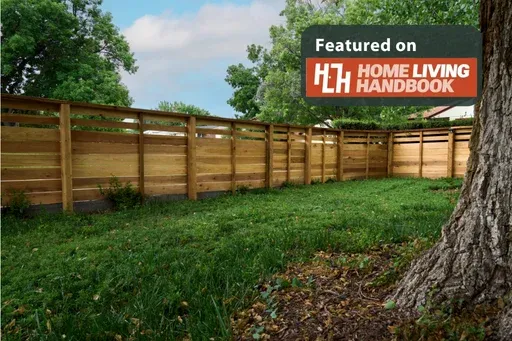
Choosing the right privacy fencing for a residential property involves more than deciding how much of the yard should be screened. Fence height, material, layout, maintenance needs, visibility, gates, and the character of the home can all influence how the finished boundary looks and functions. In North Jersey, where residential properties can range from compact suburban lots to larger yards with established landscaping, the right fence should fit the property rather than simply fill its perimeter. Homeowners looking for locally tailored options can explore the Top Rail Fence North Jersey page when comparing possible layouts and materials.
Start with the purpose behind the fence
A residential fence can serve several purposes at the same time, but identifying the primary goal makes the design process easier. Privacy fencing may be intended to screen a backyard from neighboring properties, create a more secluded entertaining area, contain pets, or establish a defined space around a pool or patio.
Think about what needs to stay private
The most useful fence configuration depends on what the homeowner wants to conceal. A patio may need screening from a neighboring deck, while a backyard seating area may benefit from privacy along only one side of the property.
This means a fence does not necessarily have to create the same level of separation on every boundary. Strategic placement can provide privacy where it matters most while keeping other portions of the yard visually open.
Consider how the yard is actually used
A backyard used for entertaining has different requirements from one primarily used by children or pets. Outdoor kitchens, play areas, gardens, pools, and seating spaces can all influence where a fence should be positioned.
Thinking about these uses before fence installation begins can prevent the finished layout from interfering with pathways or making the yard feel unnecessarily divided.
Compare privacy fence materials by lifestyle
Material selection can significantly affect the appearance and upkeep of a residential fence. Wood, vinyl, and other fencing styles can create different visual effects, making it useful to compare them based on the property's architecture and the homeowner's maintenance expectations.
Wood brings a traditional residential appearance
Wood remains a flexible option for homeowners who want a classic boundary with a natural appearance. Its texture can complement landscaping and a wide range of residential architectural styles.
Wood privacy fencing can also be adapted through different board arrangements, finishes, and gate designs. Because wood is a natural material, however, homeowners should consider the maintenance associated with keeping the fence looking its best over time.
Vinyl creates a clean and consistent look
Vinyl can provide a more uniform appearance for homeowners who prefer defined lines and a consistent finish. It can work particularly well with homes that have a contemporary or clean exterior design.
The smooth appearance of vinyl can also create a visually cohesive backdrop for landscaping. When comparing vinyl options, homeowners should consider panel proportions, color, height, and how the fence will interact with existing features.
Let the property shape the fence layout
A fence design should respond to the actual conditions of the lot. Slopes, landscaping, structures, driveways, walkways, and neighboring boundaries can all influence the final configuration.
Account for changes in elevation
Not every residential fencing near me search leads to a perfectly level property. North Jersey yards can have changes in grade that affect how fence sections align.
On sloped ground, the installation approach may need to be adjusted so the finished fence follows the property's terrain while maintaining a deliberate appearance. The choice between stepping sections and following the grade can also affect privacy and the visual relationship between neighboring areas.
Work around existing landscape features
Mature trees, garden beds, retaining walls, sheds, patios, and other features should be considered before the fence line is finalized.
Moving a fence simply to avoid one obstacle can create a less practical layout elsewhere. A thoughtful plan evaluates the entire boundary and identifies where gates, transitions, and changes in direction make the most sense.
Use fence height strategically
Height is one of the most visible aspects of privacy fencing, but taller does not automatically mean better. The appropriate height depends on sightlines, surrounding structures, yard dimensions, and applicable local requirements.
Focus on important sightlines
Instead of viewing the fence only from the property line, consider what someone sitting on the patio, standing near the pool, or using the backyard can actually see.
A strategically designed fence can block specific views without making the entire yard feel enclosed. This can be particularly helpful on properties where privacy is needed along one boundary but not another.
Keep proportions in balance
A very tall fence around a compact yard can visually dominate the space. Conversely, a fence that is too low may not provide the screening the homeowner expects.
The goal is to create a proportion that works with the scale of the home, yard, and surrounding properties while delivering the intended level of separation.
Build gates into the design from the beginning
Gates should be treated as part of the overall fence installation, not as an afterthought. Their position can affect how people move between the driveway, house, backyard, garage, and outdoor living areas.
Place access points where they make sense
A gate near a frequently used pathway can make everyday movement easier. A separate access point may also be useful when the backyard includes a pool, garden, storage area, or recreational space.
Gate width and swing direction should be considered alongside the surrounding landscape so the finished design remains convenient to use.
Coordinate gates with the fence style
A gate that looks disconnected from the rest of the boundary can make an otherwise cohesive fence appear unfinished. Matching materials, colors, proportions, and decorative details helps create a unified appearance.
For homeowners comparing privacy fencing options, coordinating the gate with the selected fence style can be an important part of the overall design.
Check local requirements before installation
Residential fence projects can be affected by municipal zoning and construction requirements, so the applicable rules should be reviewed before work begins. New Jersey's Department of Community Affairs explains that local building and construction departments handle permitting and that requirements can vary by municipality. Its resources also specifically identify fences among projects that may involve permit considerations.
Review the property before finalizing placement
Property lines, easements, existing structures, and neighboring improvements can all affect where a fence can be installed. A fence should not be positioned based solely on assumptions about where the boundary sits.
This is especially important when an older fence is being replaced. The existing fence may not accurately represent the legal property line, so confirming the boundary can help prevent an avoidable placement problem.
Pay attention to special site conditions
Certain North Jersey properties may have additional considerations because of drainage, environmental conditions, or regulated areas. Reviewing the applicable requirements before fence installation gives the project a clearer starting point and can help identify issues before materials are ordered.
Match privacy with the home's exterior
A residential fence is visible from both inside and outside the property, so its appearance can influence the overall character of the home.
Coordinate with architectural details
A traditional home may pair naturally with a classic wood fence, while a more contemporary exterior may benefit from simpler lines and restrained detailing. The objective is to make the fence look intentional rather than disconnected from the architecture.
Color, texture, post proportions, and gate design can all contribute to that relationship.
Consider the view from inside the property
The fence will become part of the backyard view, so its appearance should also work from the homeowner's perspective. Landscaping can soften long fence runs, while planting beds can create transitions around gates and corners.
This approach allows privacy fencing to provide functional separation without becoming the only visual feature in the yard.
Work with a local team that understands the project
Finding a local fence company can make it easier to discuss the property's specific conditions, desired privacy level, materials, access points, and installation requirements. A professional evaluation can also identify practical details that may not be obvious when looking at fence styles online.
Top Rail Fence North Jersey can help homeowners evaluate different residential fencing configurations based on the property's layout and intended use. Rather than selecting a fence solely by appearance, homeowners can consider how the boundary will function throughout the yard and how the material will fit the home's exterior.
Create a residential boundary that works long term
The best privacy fencing solution is one that continues to make sense after installation. It should provide the desired screening, accommodate everyday movement, complement the landscape, and remain appropriate as the property changes.
For homeowners comparing residential fencing near me, reviewing the fence line, material, height, gates, property conditions, and local requirements together can lead to a more practical project. Top Rail Fence North Jersey can help turn those considerations into a residential fence plan tailored to the property. Homeowners ready to discuss their options can use the Contact Us page to start planning.
With the right combination of material, placement, proportions, and access, privacy fencing can do more than separate one property from another. It can give a North Jersey backyard a clearer sense of structure while creating a more comfortable and private outdoor environment. Top Rail Fence North Jersey can assist with evaluating the available options and developing a fence layout that fits the way the property is used.