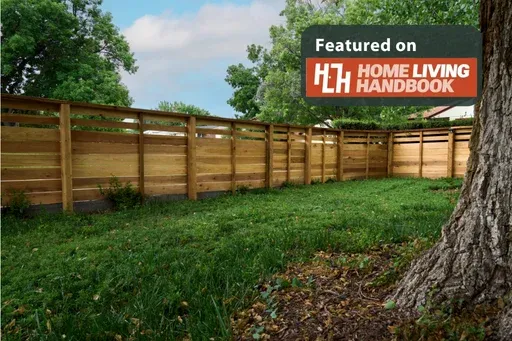
A beautiful home can lose some of its visual impact when exterior features compete for attention instead of working together. While homeowners often focus on siding, roofing, windows, and landscaping, the wrong fence design can unintentionally overpower architectural details or create visual clutter. The most successful properties achieve balance, allowing every element to contribute to the overall appearance without dominating the scene.
Many homeowners across Northern Detroit begin evaluating exterior improvements by visiting Top Rail Fence Northern Detroit to explore how thoughtful fence design can complement existing architecture rather than compete with it. A fence should support the home's visual identity, creating harmony between the structure and the surrounding landscape.
Why architectural balance matters in residential properties
Every home has defining characteristics. Rooflines, window arrangements, exterior materials, and entryways all contribute to a property's personality. The challenge is ensuring that residential fencing enhances these features instead of distracting from them.
Creating visual support instead of visual competition
A fence that is too elaborate can draw attention away from the home itself. Conversely, a fence that is too plain may appear disconnected from the property's design.
Successful fence design acts as a supporting feature. It frames the home, reinforces architectural themes, and helps guide the eye naturally across the property.
Understanding proportional relationships
Scale plays a major role in exterior design. A tall fence surrounding a modest home can feel overwhelming, while a low-profile fence around a large property may seem insignificant.
Professional planning helps homeowners find the right proportions so the fencing feels integrated into the overall composition rather than standing apart from it.
How fence design influences curb appeal
Many visitors notice the fence before they notice specific architectural details. This makes fence design one of the most influential elements of curb appeal.
Establishing a cohesive first impression
The fence serves as the introduction to the property. It creates expectations about what visitors will experience as they approach the home.
A carefully planned fence installation reinforces the architectural style while creating a sense of organization and purpose throughout the exterior.
Connecting landscaping with architecture
Fencing often acts as a bridge between the home and the surrounding landscape. By aligning fencing materials, colors, and lines with architectural elements, homeowners can create a more cohesive appearance.
This integration helps the entire property feel unified rather than assembled from separate design choices.
Matching fencing styles to home architecture
Different architectural styles benefit from different fencing approaches. The goal is not to copy the home but to complement it.
Supporting traditional home designs
Traditional homes often feature balanced proportions and classic detailing. In these situations, residential fencing with clean lines and timeless styling helps maintain consistency throughout the property.
The fence becomes an extension of the home's character rather than a competing focal point.
Enhancing modern architectural features
Modern homes often emphasize simplicity, geometry, and open space. A streamlined fence design supports these principles by maintaining visual clarity and avoiding unnecessary ornamentation.
The result is an exterior that feels intentional and contemporary.
Why material selection affects visual harmony
Material choice has a significant impact on how fencing interacts with architecture.
Balancing texture and appearance
Every exterior material contributes its own visual texture. Stone, brick, siding, and metal each create different effects.
An experienced fence company evaluates these elements when developing a fence design. The goal is to ensure that fencing complements existing materials instead of creating visual conflict.
Considering long-term aesthetics
Materials also influence how a property ages over time. Durable fencing materials help maintain visual consistency and reduce the risk of deterioration affecting curb appeal.
This long-term perspective is an important part of successful professional fence installation planning.
Avoiding common fence design mistakes
Some of the most common fencing challenges occur when homeowners focus on the fence alone without considering the broader property context.
Prioritizing trends over compatibility
Popular fencing styles may not always align with a home's architecture. A design that works beautifully on one property may feel out of place on another.
Effective fence design prioritizes compatibility over trends, ensuring the fence enhances the property's unique character.
Overlooking sightlines and perspectives
A fence is viewed from multiple angles. What looks appealing from the driveway may appear very different from the backyard or street.
A knowledgeable fence company evaluates these perspectives to create a balanced visual experience throughout the property.
How professional fence installation supports better design outcomes
Even the best concept can fall short without proper execution. Quality installation plays a critical role in maintaining architectural balance.
Preserving clean lines and symmetry
Precise alignment contributes significantly to curb appeal. Uneven spacing, inconsistent heights, or poorly placed gates can disrupt an otherwise strong design.
This is one reason many homeowners choose professional fence installation when investing in exterior improvements.
Ensuring consistency across the property
Proper fence installation helps maintain a cohesive appearance across different sections of the property, regardless of terrain or layout challenges.
This consistency strengthens the relationship between the fencing and the home's architecture.
Why do design professionals emphasize integrated planning
Architects, landscape designers, and exterior specialists often stress the importance of viewing a property as a complete composition.
Many homeowners researching exterior design trends also explore resources from the American Institute of Architects, which highlights the importance of visual harmony and thoughtful design integration in residential environments.
Applying these principles to fence design helps homeowners create outdoor spaces that feel balanced and intentional.
Building a stronger relationship between fencing and architecture
A fence should never feel like an afterthought. When integrated thoughtfully, it becomes an important part of the property's overall identity.
Homeowners considering new residential fencing solutions often discover that the best results come from balancing aesthetics, functionality, and architectural compatibility. This approach creates outdoor environments that feel complete without overwhelming the home's original character.
Many property owners rely on Top Rail Fence Northern Detroit to help navigate these decisions and develop customized fencing plans that complement their homes. Through careful planning and attention to detail, fence design can strengthen curb appeal while preserving the architectural features that make a property unique.
If you're considering a fencing project and want to achieve the right visual balance for your home, visit the Contact Us page to connect with Top Rail Fence Northern Detroit. The team at Top Rail Fence Northern Detroit can help create a fencing solution that enhances your property's architecture while supporting your long-term design goals.