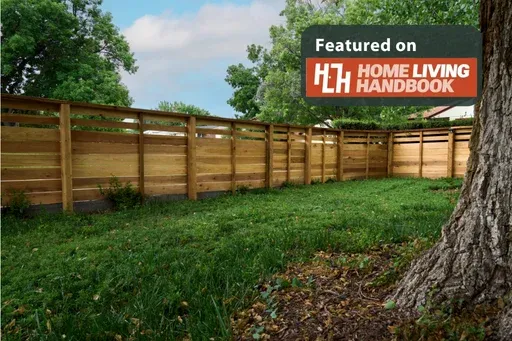
A fence can provide privacy without becoming the dominant feature of a property. The difference often comes down to where it is placed, how much of the property it encloses, and how its design works with existing landscaping and outdoor spaces. For residents considering vinyl fencing in Northern Detroit, thoughtful placement can create a quieter visual boundary while preserving the character of the yard. Top Rail Fence Northern Detroit can help homeowners evaluate the property's layout and determine where vinyl fencing can provide the greatest practical and visual benefit.
Rather than automatically following the outermost edge of a yard, strategic placement considers how people use the property. A fence might be most effective beside a patio, behind a pool, along a side passage, or around a section of landscaping. This makes vinyl fence installation less about simply enclosing space and more about creating intentional separation.
Start with the parts of the property that need definition
The ideal fence location depends on what the boundary needs to accomplish. Privacy, visual organization, pet containment, outdoor recreation, and screening can all call for different placement strategies.
Identify where visual separation matters most
A property may contain several areas that compete visually with one another. A driveway may sit beside a lawn, a patio may open directly toward a neighboring property, or a garden may blend into a frequently used walkway.
Placing vinyl fencing between these areas can make the property feel more organized without requiring a fence around every available section. A strategically positioned boundary can also prevent the yard from appearing overly enclosed.
Consider how the yard is actually used
A fence should support everyday movement rather than interfere with it. Walkways, doors, garages, patios, sheds, and recreational areas all influence where a fence should go.
During fence installation, mapping these routes first can help prevent awkward corners or gates that force residents to take unnecessary detours. The finished boundary should work naturally with the routines already established around the property.
Use fence placement to create quieter outdoor spaces
Privacy is not always about creating a completely enclosed backyard. Sometimes a smaller section of fencing can block an unwanted view or establish a calmer outdoor zone.
Position panels where privacy has the greatest impact
A fence placed directly beside a patio can create more privacy where residents actually spend time, even if other parts of the yard remain open. This can be more effective than enclosing the entire property.
For seating areas, a taller vinyl privacy panel may create a comfortable backdrop. Around a garden or front-facing landscape, a shorter design may provide enough definition without obstructing views.
Avoid unnecessary visual barriers
More fencing does not automatically mean better privacy. An oversized enclosure can make a yard feel smaller and disconnect it from surrounding landscaping.
One of the benefits of vinyl fencing is the ability to select different configurations and heights according to the purpose of each section. This gives homeowners more fencing options when balancing privacy with openness.
Let the existing landscape guide the boundary
Trees, planting beds, slopes, walkways, and other landscape features can influence how a fence looks once installed. Treating these elements as part of the design can produce a more natural result.
Work around established trees and planting beds
Large trees can become important visual anchors within a yard. Positioning a fence without considering them may create unnecessary conflicts or force landscaping into awkward spaces.
Michigan State University Extension recommends evaluating existing site characteristics such as trees, utilities, paths, property lines, and other landscape features when designing outdoor spaces.
A carefully planned vinyl fence installation can accommodate these existing features rather than treating the fence line as an isolated element.
Use landscaping to soften the fence line
Shrubs, ornamental grasses, flower beds, and small trees can soften the appearance of a fence without compromising its purpose. Planting does not need to cover the entire boundary. Even strategically placed greenery can help integrate vinyl fencing into the surrounding landscape.
This approach can be particularly effective when a solid privacy fence is necessary but the property owner wants a softer transition between the fence and the yard.
Think about sightlines before choosing a fence height
Height affects more than privacy. It also changes how a property feels from inside and outside the fenced area.
Preserve important views
A fence positioned near a window, porch, or frequently used outdoor seating area can alter the property's visual experience. Before finalizing the height, consider which views should remain open.
Lower fencing options may work well where visibility toward landscaping or neighboring scenery is desirable. Taller panels can be reserved for locations where privacy takes priority.
Control what the fence hides
Strategic placement can also conceal less attractive features such as garbage bins, utility equipment, storage areas, or neighboring structures. Instead of using a tall fence around the entire property, a shorter section or targeted privacy panel may accomplish the same goal.
This creates a cleaner appearance while keeping the overall landscape visually lighter.
Make gates part of the placement strategy
A well-positioned fence can still become frustrating if its gates are inconvenient. Gate placement should be considered alongside the fence line rather than after the main boundary has already been designed.
Connect gates with existing pathways
A gate should generally align with natural routes through the property. If residents regularly move between the driveway and backyard, the gate should support that movement instead of requiring people to walk around the fence.
This is especially important for properties where children, pets, gardening equipment, or lawn-care tools regularly move between outdoor areas.
Give larger equipment enough clearance
A narrow gate may work for pedestrian access but create problems when larger equipment needs to pass through. Lawn mowers, wheelbarrows, trailers, and maintenance equipment can all affect the required opening.
Thoughtful fence installation accounts for both everyday foot traffic and occasional larger movements, helping the finished fence remain practical over time.
Account for Northern Detroit property conditions
Fence placement should reflect the property's physical characteristics rather than relying on a generic layout. Northern Detroit properties can vary significantly in lot dimensions, existing landscaping, driveway configurations, and outdoor living arrangements.
Pay attention to property boundaries
Before placing vinyl fencing, confirm the intended boundary rather than assuming an existing fence, landscape edge, or informal marker represents the legal property line. Michigan State University Extension notes that existing fence lines are not necessarily reliable indicators of legal property boundaries.
Local zoning or setback requirements may also affect where a new fence can be positioned. MSU Extension recommends checking with the applicable local township or road commission regarding ordinance or setback requirements before constructing fencing.
Consider drainage and grade changes
A property with slopes or uneven ground may require a different approach to panel alignment. Fence placement should account for changes in elevation so that the finished boundary follows the landscape appropriately.
Drainage patterns should also be considered. Placing fencing without understanding how water moves across the property can create maintenance concerns or interfere with existing landscape solutions.
Choose a placement strategy that matches the property's purpose
There is no single location where vinyl fencing works best on every property. The right approach depends on what the fence is expected to accomplish.
Use perimeter placement for comprehensive privacy
When privacy is the main objective, positioning fencing along the appropriate property boundary can provide consistent screening around the yard. This approach creates a defined private area while keeping the interior layout flexible.
Use partial boundaries for selective privacy
A partial fence can be more suitable when only one section of the property requires screening. This may include a patio, hot tub, pool, garden, or outdoor dining area.
Selective placement can also reduce the amount of fencing needed while maintaining the specific privacy benefits the property requires.
For homeowners comparing different styles and configurations, exploring vinyl fencing options can help clarify how panel styles, heights, and layouts may work with different sections of the property.
Let the fence complement the home's architecture
A fence should feel connected to the home rather than appearing like an unrelated structure placed around it.
Match proportions with the property
A tall privacy fence may overwhelm a small yard when positioned too close to the home. Conversely, a very short fence may not provide enough separation around a larger property.
Proportion should therefore be considered alongside the home's scale, outdoor structures, landscaping, and intended level of privacy.
Maintain consistency across visible sections
When a fence is visible from multiple parts of the property, consistent materials and design details can make the landscape feel more cohesive. This does not necessarily mean every section needs to serve the same purpose.
Different fencing options can still work together when their colors, lines, and proportions create a unified appearance.
Make placement the foundation of a better fence
The effectiveness of vinyl fencing depends on more than the material itself. Where the fence sits can determine how well it supports privacy, movement, landscaping, outdoor activities, and the overall appearance of the property.
A strategic approach begins by identifying the spaces that genuinely need separation, studying existing site features, considering important sightlines, and planning gates around everyday movement. These decisions can make vinyl fence installation feel intentional rather than simply functional.
For residents planning a new project in Northern Detroit, Top Rail Fence Northern Detroit can help develop a placement strategy suited to the property's layout and priorities. To discuss your project and available fencing options, visit Contact Us and explore how carefully planned vinyl fencing can create a quieter, more comfortable visual boundary.