Older properties often have distinctive features that deserve attention, from original brickwork and covered porches to mature trees and established garden paths. A thoughtfully selected wood fence can complement these details while giving the property a clear boundary and a finished appearance. For owners of older homes in Northern Detroit, Top Rail Fence Northern Detroit can help plan a fence that respects the building's existing character without making the exterior feel dated or overly formal.
The right wood fence does not have to reproduce the property's original construction to feel appropriate. Its proportions, board spacing, color, and gate design can create a visual connection between the house and its surroundings. Choosing these details carefully can help an older property retain its personality while accommodating present-day needs for privacy, access, and outdoor use.
Read the architecture before settling on a fence style
An older house often has a recognizable visual rhythm. Window proportions, porch columns, rooflines, trim, and exterior materials all influence how a new boundary will look beside it. A classic wood fence should complement those features rather than compete with them.
Take cues from the home's proportions
A tall, solid fence can overwhelm a small cottage, while a very low picket fence may provide too little separation for a larger property. Look at the building's height, the distance between the house and street, and the scale of the front yard before choosing a fence profile.
Slim pickets and modest post caps may suit a smaller home with delicate trim. Wider boards and more substantial posts can feel better balanced beside a larger house with prominent architectural details. The aim is to make the wood fence feel like a natural part of the property rather than an unrelated structure added at the edge.
Work with existing exterior materials
Brick, stone, painted siding, and natural wood each create a different backdrop. A warm wood stain can complement brickwork, while a carefully selected paint color can connect the fence to existing trim or shutters. Natural wood can also introduce texture beside masonry and other hard surfaces.
Rather than matching every exterior element exactly, look for a relationship between tones and finishes. A subtle contrast often allows both the house and the wood fence to remain visually distinct without clashing.
Choose a traditional profile that fits the property's personality
Traditional fencing includes several styles, each creating a different impression. Selecting the right one involves considering how much of the yard should remain visible, the degree of privacy required, and the overall appearance of the street-facing exterior.
Use picket fencing for an open, welcoming boundary
Picket fencing can suit older homes with front gardens, porches, and visible landscaping. Its open spacing establishes a recognizable boundary while preserving views of the house and yard.
Picket shape also affects the result. Rounded tops can produce a softer appearance, while pointed or squared profiles may feel more structured. Consistent spacing helps the fence look orderly, especially when it follows a long front boundary.
This style works particularly well when the purpose is to define the property rather than create complete privacy. It allows planting, pathways, and architectural details to remain part of the overall view.
Consider board-on-board construction where privacy matters
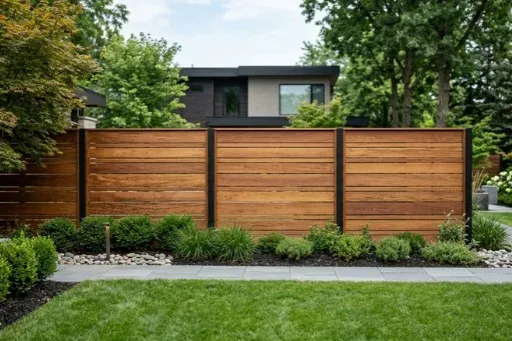
Some older properties have side yards, outdoor seating areas, or close neighboring buildings where greater screening is useful. A board-on-board wood fence can provide a more enclosed boundary through overlapping boards, creating a substantial appearance without relying on a decorative front-facing profile.
The design should still suit the property's scale. A long stretch of solid fencing can appear imposing, so thoughtful gate placement, consistent post proportions, and a finish that complements the exterior can help the boundary feel more integrated.
Give the gate its own design consideration
A gate is more than an opening in the fence. It marks a point of entry and may become one of the most noticeable details along the boundary. A gate that repeats the fence's board pattern and post style can create continuity, while appropriate hardware adds a practical finishing touch.
Think about how the gate will be used, too. A pedestrian entrance to a front garden has different space requirements from a wider gate used to access a driveway or carry equipment into the backyard.
Preserve the details that make the property distinctive
An older property's character often comes from small features that work together. A fence should respect those features rather than cover them up or introduce details that feel unrelated to the house.
Keep the street-facing boundary visually balanced
Front-yard fencing can influence how much of the home remains visible from the street. An open design may be preferable when the property has attractive masonry, decorative windows, or a welcoming porch that deserves to remain a focal point.
The Michigan State Housing Development Authority's MiPlace guidance on fences in historic districts discusses how fence materials, scale, placement, and visibility can affect a property's historic character. Although requirements differ between communities, the underlying principle is useful when selecting a classic wood fence: consider how the boundary relates to the house and surrounding streetscape.
Integrate planting without hiding the architecture
Mature trees, flowering borders, and established shrubs can soften the transition between a wood fence and the house. However, planting should not crowd the boards, obstruct gate movement, or conceal architectural details that give the property its identity.
Leave enough space for routine trimming, access, and airflow around the fence. Where planting already exists, plan the fence alignment around important landscape features instead of removing them unnecessarily.
Plan for durability through changing seasons
A traditional appearance is only part of a successful wood fence. Material selection, construction quality, and maintenance all influence how the fence performs over time, particularly in a region where outdoor structures experience changing temperatures, rain, snow, and freeze-thaw conditions.
Select materials and finishes for the site
Different wood species and treatments have different characteristics. Consider the expected exposure to moisture and sunlight, the desired finish, and the level of maintenance you are prepared to provide. Paint and stain can also change how the fence relates to the home's existing exterior colors.
During wood fence installation, proper post placement, secure connections, and attention to drainage around the base help establish a sound foundation for long-term performance. Avoid allowing soil or standing water to remain against the boards for extended periods.
Check existing boundaries before replacing a fence
Some older properties already have fence sections, masonry edges, or established boundary markers. Before removing or replacing them, verify property lines and assess whether any existing elements can be retained. If the property is in a designated historic district, check whether local review or approval applies.
A replacement does not always need elaborate ornamentation to feel authentic. In many cases, a simpler wood fence with appropriate proportions and careful workmanship will complement an older home more effectively than a highly decorative design.
Give the home a boundary that feels like it belongs
The best fence for an older property is one that supports the house rather than drawing attention away from it. A well-proportioned picket design, a privacy fence suited to the backyard, or a gate that repeats the home's traditional details can each contribute to a more cohesive exterior.
For property owners in Northern Detroit, Top Rail Fence Northern Detroit can help evaluate the layout, appearance, and practical requirements of a new wood fence. Thoughtful planning makes it easier to balance traditional character with privacy, access, and ongoing care. When you are ready to discuss a wood fence installation for your property, visit Contact Us to explore your options.