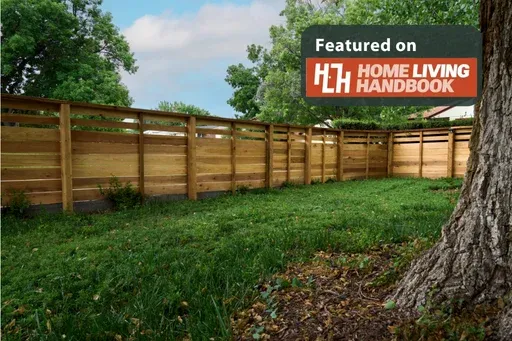
A property's boundary does not always follow a simple rectangle. In Northern Detroit, changes in lot width, angled corners, setbacks, existing structures, and neighboring boundaries can make a perfectly straight fence layout impractical. Thoughtful wood fencing can respond to those conditions by using purposeful changes in direction rather than forcing every panel into one continuous line. If you're planning a custom project, visit Top Rail Fence Northern Detroit to explore wood fencing solutions suited to properties with more complicated layouts.
Start with the boundary instead of the panel
An irregular lot should influence the fence layout from the beginning. Rather than deciding on a straight line first and trying to make the property fit it, the boundary, usable yard space, structures, and access points can guide where each section of wood fencing belongs.
This approach can produce a fence that follows the actual property more naturally while avoiding unnecessary bends or awkward leftover spaces.
Establish the important reference points
Property corners, existing structures, driveways, walkways, and other fixed features provide useful reference points for planning. Identifying these elements before fence installation begins makes it easier to determine where the fence should change direction.
A current site plan or survey can also provide a clearer understanding of the property shape. NC State Extension notes that locating exact property boundaries is important when a fence is part of a landscape design, particularly because setbacks and other site restrictions can affect where improvements can be placed.
Separate the boundary from the visual line
The legal property line and the most attractive fence line are not always visually identical. Depending on site conditions and applicable requirements, the layout may need to account for setbacks, structures, access, or other constraints.
That makes careful planning especially important when developing wood fencing around an irregular lot.
Turn changes in direction into design elements
A fence that changes direction does not automatically have to look disjointed. When transitions are planned deliberately, angled sections can add rhythm and give the boundary a more custom appearance.
Use corners to organize the property
Corners can help separate different areas of a yard. One section of wood fencing might define a backyard while another turns toward a side passage or garden area.
Instead of viewing every change in direction as a complication, the layout can use those points to create clearer outdoor zones.
Keep transitions visually consistent
Changes in direction should still feel connected. Consistent post dimensions, panel proportions, materials, and finishing details can help different sections read as one cohesive fence.
This is where experienced wood fence installation can make a meaningful difference. Each transition needs to work structurally while maintaining the visual relationship between adjoining sections.
Let the yard's usable space shape the layout
A boundary may have an irregular shape, but the areas inside it still need to function effectively. A fence that follows the boundary too literally could create awkward pockets or reduce useful space.
The goal is to balance the property's actual perimeter with how the outdoor areas are used.
Protect valuable activity areas
Patios, play areas, seating spaces, gardens, and pathways may require more usable clearance than less active portions of the yard. A carefully planned wood fencing layout can account for these areas instead of treating every part of the lot identically.
For example, a fence transition might preserve additional space around a patio while another section follows a narrower side yard.
Avoid creating unusable corners
Sharp or unnecessary changes can create narrow spaces that are difficult to maintain. Strategic positioning of posts and panels can make corners more practical for landscaping, mowing, storage, and general movement.
The result is fence installation that supports the way the property is actually used rather than simply tracing an outline.
Use panel lengths to create controlled movement
Irregular boundaries often require a combination of panel lengths. Instead of treating different dimensions as a problem, the layout can use them to create a measured progression along the property.
Vary sections without losing continuity
A sequence of shorter and longer sections can help wood fencing follow an angled boundary while maintaining a consistent visual language. The important factor is that those changes appear intentional.
Consistent spacing and alignment can make a complicated property line feel organized even when the fence itself is not perfectly straight.
Place posts where the layout needs them
Posts establish the rhythm of a wood fence and help determine how individual sections connect. Their placement should respond to corners, grade changes, gates, and changes in direction rather than being dictated solely by a standard straight-line pattern.
This can give the completed wood fence installation a more tailored appearance.
Coordinate irregular sections with gates and access
Access points deserve special attention when a property has an unusual shape. A gate should be positioned where it works naturally with pedestrian or vehicle movement rather than simply being placed where the boundary happens to be straight.
Connect gates to natural circulation
A pedestrian gate may work best near a sidewalk or frequently used walkway, while a driveway gate needs enough room for vehicles to approach and maneuver.
Integrating these openings into the larger wood fencing plan can prevent the entrance from looking like an addition made after the main fence was designed.
Give access points enough surrounding space
The sections immediately beside a gate can affect both its appearance and usability. Stronger posts, balanced panel lengths, and appropriate clearance can make the transition feel intentional.
This is also an opportunity to use different sections of fencing services strategically, depending on the property's access requirements and overall design goals.
Account for changes in elevation
An irregular lot is not always irregular because of its shape. Differences in grade can also influence how a fence should progress across the property.
Follow the terrain with purpose
A fence running across a sloped portion of the yard may require carefully planned changes in elevation. The panels and posts need to create a consistent transition without making the fence appear uneven.
Thoughtful wood fencing can adapt to these conditions while maintaining a cohesive appearance from one section to the next.
Avoid forcing one visual level across the property
Trying to make every section follow exactly the same horizontal line may create awkward gaps or require unnecessary grading. Adapting the fence to the existing terrain can provide a more natural result.
This is particularly relevant during fence installation, when the relationship between the ground and each fence section becomes part of the finished appearance.
Build a layout that can handle future changes
An irregular property may evolve over time. Landscaping can change, outdoor structures can be added, and access needs can shift. A flexible fence plan can make those future changes easier to accommodate.
Leave practical options near important areas
If a homeowner expects to add a garden, shed, patio, or additional access point, the original wood fencing layout can take those possibilities into account.
That does not mean predicting every future project. It means avoiding decisions that unnecessarily restrict how the property can be used later.
Make sections easier to understand
A clearly organized fence layout also makes future maintenance and modifications more straightforward. When corners, gates, and transitions have a logical relationship, individual sections can be evaluated without treating the entire boundary as one complicated structure.
Top Rail Fence Northern Detroit can help evaluate these relationships when planning wood fencing for a property where straight runs do not naturally fit the lot.
Make the irregular boundary look intentional
The purpose of adapting a fence to an irregular lot is not simply to follow every angle. It is to create a boundary that feels deliberate, functional, and visually connected to the property.
A successful wood fence installation can use varied panel lengths, purposeful corners, coordinated gates, and terrain-conscious transitions to create a finished layout that feels custom rather than compromised.
For Northern Detroit properties with unusual lot lines, Top Rail Fence Northern Detroit can help develop a plan that considers the property's shape, access needs, outdoor spaces, and desired appearance. When you're ready to discuss your project, visit Contact Us to connect with Top Rail Fence Northern Detroit and explore wood fencing and professional fencing services designed around the way your property actually works.