Across Omaha, weather conditions can shift quickly throughout the year, making wind exposure one of the most important considerations during any fencing project. A professional fence company understands that choosing materials without analyzing prevailing wind direction can lead to premature wear, structural instability, and unnecessary maintenance. Homeowners often begin exploring layout options through the Top Rail Fence Omaha page to better understand how environmental conditions affect long-term fence performance.
For both residential fencing and commercial fencing, wind resistance is not simply a structural concern. It directly affects durability, safety, visibility, and the overall lifespan of the installation.
Environmental planning shapes long-term fence performance
Wind exposure varies across property layouts
An experienced fence company evaluates how open terrain, nearby buildings, and elevation changes influence airflow around a property. In many parts of Omaha, strong seasonal winds create pressure points that can stress fencing materials over time.
This is especially important during fence installation because improper placement can expose fence panels to concentrated wind impact. Fencing systems positioned perpendicular to dominant wind patterns often experience greater strain compared to angled or strategically segmented layouts.
By studying wind direction before construction begins, installers can improve both structural stability and long-term reliability.
Material selection depends on airflow resistance
Different fencing materials respond to wind in different ways. A knowledgeable fence company selects materials based on how much airflow the structure can naturally handle.
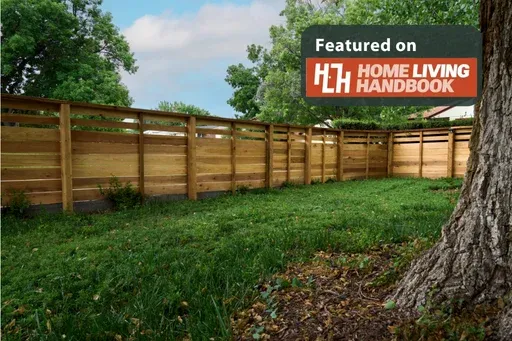
For example, solid privacy fences may experience higher wind pressure than semi-open designs. In contrast, aluminum or ornamental styles used in commercial fencing often allow airflow to pass through more efficiently.
This planning process helps ensure that the final structure remains secure during seasonal weather fluctuations across Omaha.
Structural design decisions influenced by prevailing winds
Post spacing and reinforcement strategies
Wind direction not only influences material choice. It also affects how a fence company approaches post depth, spacing, and reinforcement during fence installation.
Properties exposed to stronger wind corridors may require deeper post anchoring or reinforced support systems to maintain alignment over time. Without these adjustments, fencing sections can shift or lean after repeated weather exposure.
A properly planned structure improves the lifespan of both residential fencing and commercial fencing installations.
Gate placement and movement efficiency
Gates are particularly vulnerable to wind stress. Strong gusts can affect swing direction, hinge durability, and long-term alignment if wind patterns are ignored during design.
A professional fence company positions gates based on traffic flow while also considering how wind interacts with moving fence components. This balance helps prevent operational problems and reduces future maintenance concerns.
Midway through the planning process, many property owners explore advanced fence installation strategies to better understand how airflow management improves durability and structural consistency.
Visibility, safety, and airflow balance
Why airflow spacing matters in modern fencing
One of the key factors in wind-resistant design is airflow spacing. A skilled fence company carefully balances privacy needs with structural efficiency.
Semi-open styles commonly used in commercial fencing reduce wind resistance by allowing air to move through the structure rather than against it. This approach decreases strain on posts and rails during storms or seasonal wind events.
For residential applications, spacing adjustments can also improve backyard comfort by reducing turbulence around patios and outdoor living spaces.
Protecting surrounding property features
Wind pressure affects more than fencing alone. Improperly planned layouts can increase stress on landscaping, outdoor furniture, and nearby structures.
A thoughtful fence installation strategy minimizes these risks by directing airflow more naturally across the property. This creates a safer and more stable outdoor environment throughout changing seasons in Omaha.
Material durability and weather adaptability
Comparing fencing materials for high-wind conditions
Every material performs differently under sustained wind exposure. Wood fences may flex naturally, while aluminum systems often rely on open spacing for pressure reduction.
A reliable fence company evaluates climate conditions before recommending materials for either residential fencing or commercial fencing projects. Material selection becomes especially important in areas with frequent storms or open terrain exposure.
According to the Federal Emergency Management Agency, structural planning that accounts for regional wind conditions significantly improves long-term outdoor infrastructure durability.
Long-term maintenance and repair reduction
Wind-related stress is one of the leading causes of fence deterioration. Poor planning during fence installation can result in loose panels, weakened posts, or structural warping over time.
By considering wind direction early in the process, a professional fence company helps property owners reduce long-term repair needs while improving overall fence stability.
Residential and commercial priorities differ by exposure
Residential fencing and backyard comfort
For homeowners, wind management often focuses on comfort, privacy, and outdoor usability. A properly designed residential fencing system creates a balanced environment without trapping excessive wind pressure inside the yard.
This improves outdoor enjoyment while also protecting landscaping and backyard structures.
Commercial fencing and operational reliability
In commercial environments, wind planning is often tied to security and operational efficiency. Open industrial lots, loading areas, and parking zones are especially vulnerable to high wind exposure.
A professional fence company designs commercial fencing systems that maintain security while still accommodating airflow and visibility requirements.
Why professional planning makes a difference
Site-specific evaluations improve results
Every property in Omaha experiences different environmental conditions. Terrain, neighboring buildings, and open exposure all influence wind behavior across a site.
This is why experienced professionals conduct detailed evaluations before beginning fence installation. A customized approach ensures that material selection aligns with real environmental demands rather than generic assumptions.
Long-term value through smarter installation decisions
Choosing the right material is only part of the process. Proper orientation, spacing, and structural reinforcement all contribute to the long-term success of the project.
Working with Top Rail Fence Omaha gives property owners access to experienced planning strategies that account for weather conditions, airflow patterns, and long-term durability goals.
Whether planning residential fencing or large-scale commercial fencing, understanding wind direction before construction begins helps create safer, stronger, and more reliable outdoor boundaries.
To explore customized solutions tailored to your property, visit the Contact Us page and connect with Top Rail Fence Omaha for expert guidance on your next fencing project.