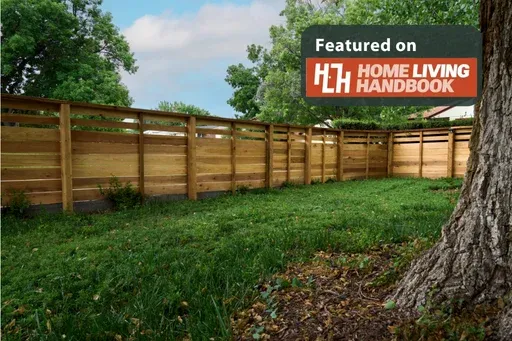
In Omaha, mature trees are often a defining feature of residential landscapes, but they also introduce unique challenges for any fence company planning a new layout. Property owners exploring options through the Top Rail Fence Omaha page quickly learn that successful planning requires more than choosing materials. It involves understanding root systems, shade patterns, soil stability, and long-term structural impact.
A professional fence company does not treat trees as obstacles. Instead, they are part of the design environment that directly influences fence installation, durability, and long-term performance of any quality fence.
Understanding how tree growth affects fence placement
Root systems and structural interference risks
One of the first things a fence company evaluates is the underground root system. Mature trees often have wide, unpredictable root networks that can interfere with posts during fence installation.
If posts are placed too close to major roots, it can lead to shifting, lifting, or uneven alignment over time. This is why experienced installers carefully map out root zones before any digging begins.
A properly designed quality fence avoids direct root disruption while still maintaining a clean boundary line. This balance is essential for long-term stability and reduces future repair needs.
Seasonal movement and soil instability
Tree-covered areas often have softer, more moisture-retentive soil. This affects how posts settle after installation. A skilled fence company anticipates seasonal expansion and contraction in soil density.
Without this planning, fence installation can lead to leaning sections or uneven spacing within a few years. That is why soil testing is often included in professional site evaluations before construction begins.
Midway through the planning process, many homeowners begin comparing long-term durability factors against fence installation cost, realizing that proper preparation often reduces future maintenance expenses.
Shade patterns and material performance decisions
Moisture retention and material durability
Heavy tree coverage creates shaded environments where moisture lingers longer on fencing surfaces. A professional fence company considers how this impacts material selection during fence installation.
Wood, vinyl, and composite materials all react differently to constant shade exposure. Without proper planning, moisture buildup can shorten the lifespan of even a quality fence.
This is why airflow, drainage spacing, and post-treatment options are evaluated early in the design stage.
Light exposure and uneven aging
Trees do not just create shade; they create inconsistent exposure. One section of fencing may receive sunlight while another remains fully shaded.
This uneven exposure affects staining, fading, and long-term appearance. A knowledgeable fence company adjusts layout and material choice to ensure a more balanced aging process across the entire fence line.
Navigating physical layout constraints around mature trees
Adjusting fence lines without damaging key trees
One of the most important decisions in fence installation is whether to curve, offset, or segment fence lines around large trunks. A professional fence company avoids unnecessary tree removal whenever possible.
Instead, layouts are designed to flow around natural features while maintaining structural integrity. This approach preserves landscape value while still achieving a functional quality fence design.
Maintaining proper clearance for growth expansion
Trees continue to grow over time, which means fence placement must account for future trunk expansion. Leaving adequate clearance prevents pressure points that could damage both the tree and the fencing system.
This foresight is a key part of responsible fence installation, especially in mature neighborhoods across Omaha, where landscaping is well established.
Cost considerations influenced by tree coverage
Increased labor complexity and installation planning
Tree-heavy properties often require more detailed preparation, which can influence fence installation cost. A fence company may need specialized tools, additional labor, or adjusted installation techniques.
For example, working around dense root systems or uneven terrain increases both time and precision requirements. However, this upfront investment helps prevent costly repairs later.
Long-term savings through strategic design
While the initial fence installation cost may increase in tree-dense areas, proper planning often reduces long-term expenses. A correctly installed quality fence experiences fewer structural issues and requires less maintenance over time.
According to the American Society of Landscape Architects, integrating infrastructure with natural landscapes leads to improved durability and lower lifecycle maintenance costs for outdoor structures.
Balancing aesthetics with functional durability
Creating visual harmony between fencing and trees
A skilled fence company also considers how fencing interacts visually with mature trees. The goal is to create a cohesive outdoor environment rather than a competing visual structure.
Proper spacing, alignment, and material selection ensure that fence installation enhances rather than disrupts the natural beauty of the property.
Preserving landscape value while defining boundaries
A well-designed quality fence does not overpower the landscape. Instead, it works with existing tree coverage to create natural transitions between open yard space and structured boundaries.
This balance is especially important in residential Omaha neighborhoods where mature trees significantly contribute to property value.
Professional planning as a long-term investment
Why expert installation matters in complex landscapes
Tree-covered properties require a higher level of expertise during fence installation. A reliable fence company evaluates soil, shade, roots, and spacing before construction begins.
This level of detail ensures that the final structure remains stable and visually consistent over time, even in challenging environmental conditions.
Reducing future maintenance and structural issues
Proper planning directly reduces long-term repair needs. A professionally installed quality fence in tree-heavy environments is less likely to shift, rot, or deteriorate prematurely.
This makes expert installation not just a design choice but a financial one as well.
Final considerations for homeowners in Omaha
Working with a trusted fence company ensures that every aspect of tree interaction is accounted for before fence installation begins. From root mapping to material selection, each decision impacts both performance and longevity.
Homeowners who prioritize proper planning often find that their quality fence lasts significantly longer and requires fewer repairs over time, even in dense tree coverage areas.
To explore tailored solutions, visit the Contact Us page and connect with Top Rail Fence Omaha to plan your next fence installation with confidence and precision.