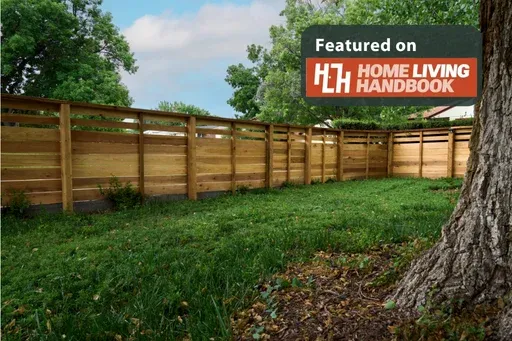
When homeowners in Omaha invest in privacy fence installation, the focus is usually on immediate benefits like seclusion, aesthetics, and defining property lines. What often gets overlooked is that a privacy fence installation also introduces long-term trade-offs that only become noticeable after living with the new layout for a while. These trade-offs can affect airflow, lighting, maintenance demands, and even how a yard is used daily.
Homeowners working with Top Rail Fence Omaha often discover that the best results come from understanding these hidden factors before starting any fence installation project.
How privacy changes the way a yard feels over time
A new privacy fence installation does more than block visibility. It reshapes the environment of the entire outdoor space. While this is often the goal, the emotional and physical feel of the yard can shift in ways homeowners do not always expect.
Reduced openness and visual expansion
Before a privacy fence installation, many yards feel visually open, even if they are not large. After installation, that openness is replaced by defined boundaries, which can make the space feel more enclosed.
This effect is especially noticeable when dense fencing materials like solid wood panels are used across the entire perimeter.
Impact on everyday outdoor routines
A completed fence installation can change how people move through and interact with their yard. Spaces that once felt casual and open may become more structured and segmented, which can be positive or restrictive depending on the layout.
The environmental trade-offs homeowners don’t anticipate
While privacy is a major benefit, environmental changes are one of the most overlooked aspects of privacy fence installation in Omaha homes.
Airflow reduction and heat retention
Solid fencing systems can reduce natural airflow. This means less wind circulation during hot summer months, which can cause certain areas of the yard to feel warmer.
Choosing appropriate fencing materials during the planning phase can help reduce this effect without sacrificing privacy.
Sunlight shifts and garden impact
A taller privacy fence installation can also influence how sunlight moves across a yard. Gardens placed near fence lines may receive less direct light, affecting plant growth and layout decisions.
This is why proper fence installation planning is critical for long-term landscape success.
Maintenance expectations that often get underestimated
Many homeowners assume a privacy fence installation will be a low-maintenance upgrade, but ongoing care is often required depending on the chosen fencing materials.
Weather exposure in Omaha conditions
In Omaha, seasonal changes can be tough on outdoor structures. Snow, rain, humidity, and temperature swings all affect fence durability over time.
Even high-quality installations may require occasional fence repair to maintain structural integrity and appearance.
Long-term upkeep considerations
Wood fencing requires sealing and inspections, while vinyl and composite options reduce maintenance but may still need occasional cleaning or adjustments. Understanding these differences early helps prevent unexpected upkeep costs.
For homeowners exploring material options, our privacy fencing solutions provide a breakdown of styles and durability levels.
How backyard usability changes after installation
A privacy fence installation can significantly improve comfort, but it also reshapes how the yard is used and organized.
More defined activity zones
Once a yard is enclosed, homeowners often naturally divide it into functional areas such as dining spaces, play zones, and garden sections.
A well-planned fence installation supports this organization, but poor planning can limit flexibility later.
Reduced flexibility for future changes
After installation, moving large landscaping features or redesigning yard flow becomes more complex due to fixed boundaries created by fencing materials and post placement.
Material selection and long-term consequences
Choosing the right fencing materials is one of the most important decisions in any privacy fence installation, especially when balancing durability and maintenance.
Wood fencing trade-offs
Wood provides a natural look and strong privacy, but it requires regular upkeep to prevent warping, fading, or rot. Without maintenance, it may increase the need for future fence repair.
Vinyl and composite advantages
Vinyl and composite systems reduce maintenance demands and resist weather damage more effectively. However, they may have less flexibility for custom modifications compared to wood.
According to the U.S. Department of Energy’s building envelope guidance, exterior barriers like fencing can influence environmental exposure around homes, including airflow and heat retention patterns.
When privacy becomes a design limitation
While a privacy fence installation improves seclusion, it can also introduce design constraints if not carefully planned.
Visual enclosure effects
Highly enclosed yards may feel smaller if height, material density, and layout are not balanced properly during fence installation.
Neighborhood integration challenges
In some Omaha neighborhoods, fencing that prioritizes privacy too aggressively may contrast with surrounding property styles. This is where experienced guidance from a fence company becomes valuable.
Planning ahead to avoid post-installation regret
The biggest lesson homeowners learn is that privacy fence installation decisions are easiest to make before the project begins, not after completion.
Importance of professional planning
Working with a trusted fence company helps ensure layout, material selection, and design choices align with both immediate needs and long-term property goals.
Midway through many projects, homeowners rely on Top Rail Fence Omaha to refine decisions about fence installation approaches that balance privacy with livability.
Thinking beyond privacy alone
A successful privacy fence installation should consider airflow, sunlight, maintenance, and future landscaping plans, not just visibility.
Creating balance in Omaha backyard design
A privacy fence installation in Omaha can dramatically improve comfort, security, and usability, but it also comes with trade-offs that should not be ignored. Reduced airflow, maintenance needs, and spatial changes are all part of the long-term experience.
By carefully selecting fencing materials, planning a thoughtful fence installation, and preparing for potential fence repair, homeowners can create outdoor spaces that feel both private and practical.
To explore options or get expert guidance, visit the Contact Us page and connect with Top Rail Fence Omaha.