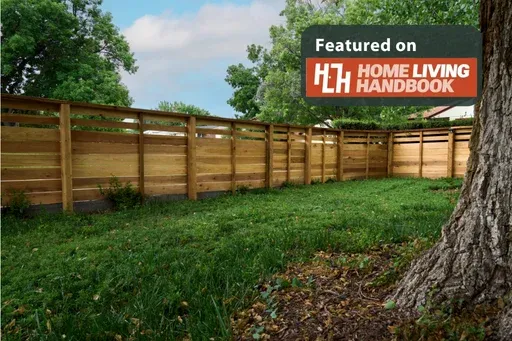
A backyard works differently when its privacy fencing is planned around real daily activities rather than simply following the property line. In Omaha, outdoor spaces may serve as places for dining, children’s play, gardening, entertaining, relaxing, or letting pets move freely. A thoughtfully positioned fence can separate these activities while keeping the yard comfortable and practical. Homeowners considering a project can explore the Top Rail Fence Omaha to see how locally planned fencing solutions can be adapted to individual properties.
The most effective privacy fencing does more than block outside views. It can establish distinct zones, guide movement, frame outdoor features, and make underused areas feel intentional. When privacy fence installation is approached with the way a backyard functions in mind, the fence becomes part of the overall design rather than an afterthought.
Start with the activities that define the backyard
Give frequently used areas their own sense of enclosure
A backyard may contain several activities that require different levels of separation. A patio used for evening meals may benefit from stronger screening, while an open lawn could work better with a less enclosed boundary.
This is where privacy fencing can become more flexible than a simple perimeter barrier. Fence sections can be positioned to create a comfortable backdrop around a seating area without making the entire yard feel closed off.
For example, a dining area might benefit from a taller section that reduces direct views from neighboring properties. A nearby play area could remain more open so parents can maintain clear sightlines across the yard. This approach allows backyard privacy to support the way each part of the space is actually used.
Turn overlooked corners into purposeful spaces
Corners of a backyard can easily become storage areas, planting beds, or unused patches of grass. A well-planned fence can give these spaces definition and help integrate them into the rest of the yard.
A short return section, angled fence line, or carefully positioned gate can create a transition between functional areas. Instead of treating every square foot as part of one large open area, privacy fencing can give each section a clearer purpose.
Match privacy levels to different parts of the yard
Create stronger screening where relaxation happens
Outdoor seating areas usually benefit from a greater sense of separation. A solid privacy fence can provide a visual backdrop that makes a patio or deck feel more like an outdoor room.
The height, orientation, and placement of the fence all influence how private that space feels. Rather than automatically using the same treatment around the entire property, privacy fence installation can be planned according to where privacy matters most.
This can also improve the visual character of the yard. A fence behind a seating area can act as a simple architectural background for furniture, planters, lighting, or climbing greenery.
Keep active zones connected
Not every backyard activity requires complete screening. Open lawn areas used for games, exercise, or children’s activities may benefit from unobstructed views.
A thoughtful fence installation can maintain privacy along the most exposed sides while allowing other sections of the yard to remain visually open. This creates a more balanced environment where privacy and visibility work together.
Use gates as part of the backyard layout
Position access points around natural movement
A gate should support how people actually move through the yard. If the main route from the house to the driveway passes along one side, placing a gate nearby can make everyday access easier.
The same principle applies to garden areas, outdoor storage, patios, and side entrances. During privacy fence installation, gate locations should be considered alongside furniture placement, walkways, landscaping, and frequently used entrances.
A poorly positioned gate can make a well-designed fence feel inconvenient. A strategically located gate, by contrast, can make the entire backyard easier to navigate.
Separate functional areas without creating barriers
Gates can also provide transitions between different backyard zones. A garden area, pet space, or service section can be separated from the primary entertaining area while remaining accessible.
This allows privacy fencing to organize the property without requiring every section to have the same level of enclosure.
Consider how the fence interacts with landscaping
Use planting to soften solid fence sections
Plants can change the appearance of a privacy fence dramatically. Shrubs, ornamental grasses, flowering plants, and climbing greenery can soften long fence runs and create a more integrated landscape.
Nebraska Extension provides resources covering sustainable landscaping, pollinator-friendly practices, landscape care, and home gardening, making it a useful reference when coordinating fencing with broader landscape plans.
The goal is not to hide the fence completely. Instead, landscaping can help connect the boundary with the rest of the backyard so the structure feels like part of the garden.
Leave room for plants to mature
During fence installation, landscaping plans should account for the mature size of plants rather than their appearance immediately after planting. Leaving sufficient space between vegetation and the fence can make maintenance easier and prevent crowded planting beds.
This is particularly useful when backyard privacy depends on both fencing and vegetation. The fence provides the immediate boundary while plants gradually add texture and depth.
Let design choices reflect the character of the home
Use fence proportions to complement the architecture
A privacy fence should not feel disconnected from the house. Its height, board orientation, finish, and overall proportions can reinforce architectural features already present on the property.
A clean, consistent design can complement contemporary homes, while more traditional details may suit established residential properties. The flexibility of privacy fencing allows the finished installation to be adapted rather than treated as a one-style-fits-all solution.
Think beyond the basic straight fence line
A continuous straight boundary is not always the most effective layout. Changes in direction can create visual interest or define specific outdoor areas.
For example, a fence might follow the property boundary along one side before turning inward to create a secluded sitting area. Another section could frame a garden or conceal an equipment area.
These adjustments make privacy fence installation more closely connected to how the backyard functions.
Plan for Omaha's changing outdoor conditions
Account for seasonal use
A backyard can serve different purposes throughout the year. Summer may bring outdoor meals and gatherings, while spring and fall can emphasize gardening, quiet relaxation, or yard maintenance.
A well-planned privacy fencing system should remain useful across these changes. Fence placement should not unnecessarily restrict sunlight, access, or movement simply to provide maximum enclosure.
Think about wind, weather, and maintenance
Omaha properties experience changing weather conditions throughout the year, so installation quality matters alongside design. Posts, panels, gates, and connections should be planned to create a stable finished structure.
The local team at Top Rail Fence Omaha can help coordinate material selection, layout, and installation around the specific characteristics of a property. Their Omaha services include customized fencing and professional installation designed around individual project requirements.
Build privacy around real backyard routines
Make entertaining areas feel more intentional
A backyard used for entertaining benefits from clear boundaries. A properly positioned privacy fence can establish a backdrop for a dining table, outdoor kitchen, fire feature, or lounge area.
Instead of making guests feel surrounded by fencing, the goal is to create a defined outdoor room that feels comfortable and connected to the rest of the yard.
Protect quiet areas from everyday activity
The reverse can also be useful. A reading corner, garden bench, or relaxation area may benefit from separation from active parts of the property.
Strategic privacy fencing can create a quieter zone without requiring major changes to the overall yard. This makes the fence part of the experience of using the space, not simply a structure around its edge.
Make the fence serve the entire backyard
A successful privacy fence installation starts with a clear understanding of what the backyard needs to accomplish. Seating, recreation, gardening, pets, storage, access, and relaxation can all influence where fencing belongs and how much privacy each area requires.
With careful fence installation, the boundary can become a planning tool that gives an Omaha backyard greater definition while preserving the features that make the space enjoyable. The result is a yard where privacy feels purposeful rather than excessive.
For a fencing plan tailored to the way your outdoor space is used, Top Rail Fence Omaha can help evaluate layout, materials, access points, and privacy goals. When you are ready to discuss your project, visit the Contact Us page to connect with the team and explore a privacy fencing solution designed around your backyard.