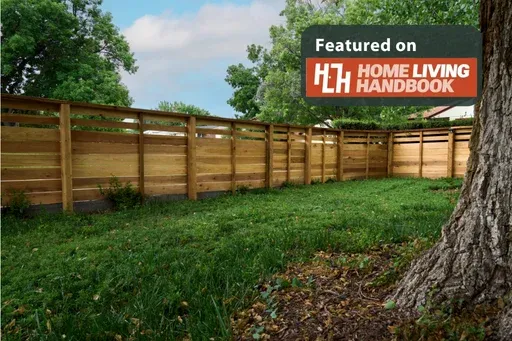
Busy streets can make a residential yard feel more exposed than it actually is. Traffic, pedestrians, neighboring properties, and constant movement outside the lot can compete with the quiet atmosphere homeowners want indoors and outdoors. In Omaha, privacy fencing can create a visual pause between those active surroundings and the spaces behind the home. A thoughtfully planned residential fence can establish a stronger boundary without making the backyard feel disconnected from its surroundings.
The right approach begins with understanding how the property is positioned and how the outdoor areas are used. The Top Rail Fence Omaha team can help homeowners consider fence placement, height, gates, materials, and layout as part of a complete fence installation plan.
A privacy fence is not simply a wall around a yard. It can shape what people see when they approach the property, create a more comfortable outdoor setting, and give landscaping and living areas a defined backdrop.
Creating a calmer transition from street to home
Breaking up constant visual movement
A street-facing yard can contain a steady stream of visual activity. Cars passing by, pedestrians walking along sidewalks, and activity at nearby properties can make the boundary between public and private space feel less distinct.
Privacy fencing introduces a consistent visual element that interrupts those sightlines. Instead of looking directly from a backyard or patio toward the street, the eye encounters a structured boundary first. This can make the outdoor environment feel more settled.
The effect does not necessarily require every portion of a property to be completely enclosed. Strategic placement can provide screening where exposure is greatest while preserving openness in other areas.
Establishing a stronger residential boundary
A well-designed residential fence gives a property a recognizable edge. It separates the private areas of a home from sidewalks, streets, driveways, and surrounding lots.
This distinction can be particularly useful for yards that sit close to active roads. The fence creates a defined transition without requiring landscaping, patios, or other outdoor features to carry the entire burden of creating separation.
Using fence placement to control sightlines
Focus screening where exposure is highest
Not every side of a backyard experiences the same level of visibility. One section might face a busy street, while another may border a quiet neighboring yard.
This makes placement an important part of privacy fence installation. Rather than treating every boundary identically, the layout can prioritize the areas where visual exposure has the greatest impact.
A taller section along a street-facing edge can provide a stronger visual buffer, while other sections can use different proportions or configurations to maintain a more open feeling.
Frame views instead of eliminating them
Privacy does not always mean removing every outward view. A thoughtful fence installation can control what is visible while still allowing selected views toward attractive landscaping, mature trees, or other desirable features.
This creates a more deliberate relationship between the property and its surroundings. The fence becomes a framing element rather than an obstacle that dominates the entire yard.
Making outdoor living areas feel more private
Give patios a quieter backdrop
Patios are frequently positioned close to the rear or side of a home, making them vulnerable to views from neighboring properties or nearby streets. Privacy fencing can establish a more enclosed setting for outdoor dining, conversations, and relaxation.
A fence placed behind or beside a patio can also provide a clean visual background for furniture, planters, lighting, and other outdoor features. Instead of allowing the street to become part of the patio's visual environment, the fence establishes a controlled backdrop.
Create separation around gathering spaces
Outdoor entertaining areas can benefit from a clear boundary between social spaces and the rest of the property. A strategically designed residential fence can help define where a gathering area begins and ends.
This can make larger yards feel more organized while giving smaller yards a stronger sense of purpose. The fence does not have to divide the property into isolated sections. It can simply reinforce the natural boundaries created by patios, decks, gardens, or lawn areas.
Let landscaping work with the fence
Use greenery to soften the boundary
A solid fence can provide the privacy needed near a street while landscaping keeps the finished appearance from feeling overly rigid. Shrubs, ornamental grasses, flowering plants, and trees can be positioned near the fence to introduce texture and seasonal interest.
This combination can make privacy fencing feel like part of the landscape rather than a separate structure placed around it.
The City of Omaha provides development guidance that encourages planning projects around site conditions, proposed locations, scale, and purpose, reinforcing the value of considering the broader property layout before construction decisions are finalized. Omaha development guidance can serve as a useful local reference when evaluating a larger property improvement project.
Consider what the fence will look like from inside
A fence should look appropriate from both sides. The view from a kitchen window, patio, deck, or backyard seating area matters just as much as its appearance from the street.
During privacy fence installation, homeowners can consider how fence lines interact with existing plants, lawn areas, outdoor structures, and windows. This helps create a finished result that feels intentional throughout the property.
Choose proportions that fit the property
Avoid making the yard feel compressed
A privacy fence that is too visually dominant can make a small yard feel smaller. The solution is not necessarily to eliminate privacy, but to consider proportions carefully.
Fence height, panel arrangement, spacing, gates, and surrounding landscaping can all influence how substantial the boundary appears. A balanced fence installation can provide screening while maintaining enough visual breathing room for the backyard.
Coordinate the fence with the home's exterior
The appearance of a residential fence should complement the architecture rather than compete with it. Color, texture, horizontal or vertical lines, and gate details can all influence how naturally the fence fits the property.
A consistent design can also make the transition from the home to the backyard feel more cohesive. When the fence relates visually to existing outdoor features, it becomes part of the property's overall character.
Think about access as part of privacy
Position gates around everyday routes
A privacy boundary still needs convenient access. Gates should correspond with the ways people enter and leave the property, whether that means moving between the driveway and backyard, accessing a side yard, or reaching a garden area.
During privacy fence installation, gate placement should therefore be considered at the same time as the main fence line. An attractive boundary can become frustrating if its access points do not match daily routines.
Maintain function behind the visual barrier
A fence should not interfere with outdoor maintenance, deliveries, lawn care, or movement between different parts of the property. Careful planning helps the boundary provide separation without creating unnecessary obstacles.
This is especially important for properties where the backyard connects several functional areas. A coordinated layout can maintain backyard privacy while keeping the space practical.
Create a buffer that feels intentional
Use the fence to establish a sense of arrival
A fence can influence the experience of entering the property. A well-positioned gate and coordinated fence line can make the transition from street to home feel more deliberate.
Instead of moving directly from a busy public environment into an exposed backyard, the fence introduces an intermediate layer. That visual pause can make the home feel more distinct from the activity beyond its boundaries.
Give the backyard a stronger identity
Once the street is visually separated from the outdoor living area, landscaping and other backyard features can become more prominent. The fence creates a consistent background against which plants, seating, pathways, and recreational areas can stand out.
This is one reason privacy fencing can contribute to more than privacy alone. It can help define the character and organization of the entire outdoor space.
Plan privacy around the property's real surroundings
A successful privacy fence installation should respond to the specific relationship between a home and everything around it. Street traffic, neighboring homes, sidewalks, patios, windows, landscaping, and access points can all influence the best approach.
For Omaha homeowners, a carefully considered residential fence can transform an exposed yard into a more comfortable outdoor setting while maintaining practical access and visual appeal. The goal is not simply to build the tallest possible barrier. It is to create a boundary that responds to the property's surroundings and gives the spaces behind the home a greater sense of separation.
Top Rail Fence Omaha can help translate those privacy goals into a practical fence installation plan, from layout and access points to the overall appearance of the finished boundary. To discuss options for your property, visit Contact Us and connect with Top Rail Fence Omaha about creating privacy fencing that gives your home a calmer transition from the street.