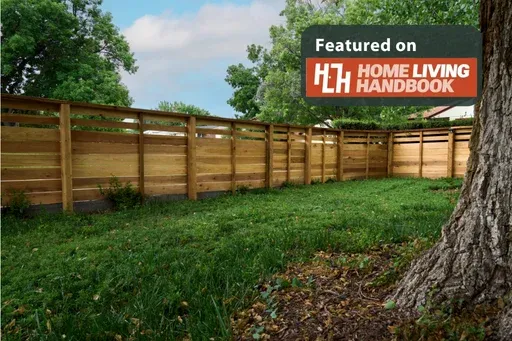
Trees can completely change how a backyard looks and feels, especially when mature trunks, broad canopies, and established landscaping are already part of the property. Instead of treating those trees as obstacles during a fencing project, an intentional wood fence design can work around them and make them part of the finished landscape. For homeowners in Omaha, this approach creates a more natural relationship between the fence, yard, and existing greenery. With help from Top Rail Fence Omaha, homeowners can explore fencing services that account for the character and layout of an established outdoor space.
Treating existing trees as part of the fence plan
A conventional fence layout may seem simple on paper. Draw a straight property line, position the posts at regular intervals, and connect the panels. The challenge appears when that line encounters a mature tree.
Instead of automatically removing the tree or forcing the fence directly against its trunk, thoughtful planning considers the tree's current size, root zone, branches, and potential future growth.
Mapping the yard before setting the fence line
A successful wood fence installation begins with understanding what already exists in the yard. Mature trees, garden beds, slopes, drainage patterns, patios, sheds, and walkways can all affect where fencing should go.
A fence line that gently changes direction around an established tree may produce a more functional result than one that follows a perfectly straight path. Small adjustments can preserve valuable landscaping while still creating a clearly defined boundary.
Looking below the surface
The visible trunk is only part of the equation. Tree roots can extend well beyond the area immediately surrounding the trunk, meaning excavation for fence posts deserves careful consideration.
The International Society of Arboriculture explains that construction activities such as trenching, grading, and soil compaction can damage critical portions of a tree's root system.
This is why fence planning around mature trees should consider more than what can be seen above ground.
Creating graceful curves instead of rigid lines
One of the biggest advantages of designing a wood fence around trees is the opportunity to create a more organic layout. Rather than viewing an irregular fence line as a problem, the design can use those changes to add character.
Turning obstacles into visual features
A mature tree positioned near a fence can become a natural focal point. The fence can approach the trunk, change direction, and continue along the property without making the tree look squeezed into a narrow space.
This technique can make the entire backyard appear more intentionally designed. The tree remains visually prominent while the wood fence provides structure behind it.
Using transitions to maintain consistency
A fence that moves around several trees should still feel cohesive. Consistent board spacing, post dimensions, colors, and finishing details help maintain visual continuity even when the fence line changes direction.
Thoughtful transitions are particularly useful when trees appear at different points along the property boundary. Instead of making each adjustment look accidental, the entire fence can feel like one coordinated landscape element.
Protecting mature trees during fence construction
Preserving an established tree is not simply about leaving enough visible space around its trunk. Construction equipment, excavation, soil movement, and changes to drainage can all affect tree health.
Planning the installation carefully helps reduce unnecessary disturbance.
Keeping equipment away from sensitive areas
Heavy equipment can compact soil around trees, reducing the movement of water and oxygen through the soil. The International Society of Arboriculture identifies soil compaction and root damage among the risks associated with construction near established trees.
For a wood fence installation, this means the construction process should be considered alongside the fence design. Limiting unnecessary equipment movement near important trees can help protect the surrounding landscape.
Avoiding unnecessary root disturbance
Fence posts require excavation, so their placement matters when trees are nearby. A slight change in post location can sometimes make a meaningful difference to the amount of root disturbance.
Where mature trees are particularly close to a proposed fence line, consulting a qualified arborist can provide additional guidance about protecting the tree before construction begins.
Designing the fence to accommodate future tree growth
A tree that fits comfortably beside a wood fence today may not occupy the same amount of space several years from now. Young trees continue expanding in both their canopy and root system, which makes future growth an important part of fence planning.
Leaving practical clearance around trunks
A fence should not be designed so tightly around a tree that future growth creates an obvious conflict. Appropriate spacing can give the trunk room to develop while making future maintenance easier.
The goal is not necessarily to create a large visible gap. Instead, the fence layout should account for the tree's expected development and the specific conditions of the yard.
Considering branches and canopy growth
The trunk is not the only part of a tree that can interact with fencing. Low branches may eventually extend across fence panels or gates, while expanding canopies can alter the amount of shade reaching the fence.
Planning around these factors can help preserve the appearance of both the tree and the fence as the landscape matures.
Using wood to connect fencing with the landscape
The natural appearance of wood makes it especially effective around established trees. Its texture can complement bark, mulch, stone, planting beds, and other landscape materials without creating a harsh contrast.
Homeowners comparing different wood fence designs can consider how each style interacts with the existing landscape rather than selecting a design based solely on the fence itself.
Choosing a style that complements mature greenery
Horizontal boards can create a clean contemporary appearance, while traditional vertical boards can reinforce a classic residential look. Shadowbox configurations can provide a finished appearance from both sides of the fence.
The right choice depends on the architecture of the home, the surrounding landscape, desired privacy, and the visual relationship between the fence and existing trees.
Using trees to soften privacy fencing
A tall privacy wood fence can sometimes appear visually heavy when installed across a large open yard. Existing trees can break up that visual mass by introducing natural shapes, changing textures, and seasonal color.
Rather than hiding the landscape behind the fence, the design allows greenery to become part of the overall composition.
Making irregular properties easier to navigate
Not every Omaha backyard has a perfectly level or rectangular layout. Mature trees can add another layer of complexity, particularly when they are positioned close to slopes, retaining walls, patios, or other structures.
A customized fence layout can respond to these conditions more effectively than a rigid installation pattern.
Working with changes in elevation
A fence may need to step or adjust as the yard rises and falls. Trees can sometimes provide natural reference points for these transitions.
Instead of trying to force every section into an identical alignment, the installation can use carefully planned changes in height and direction to maintain functionality while following the landscape.
Keeping gates practical and accessible
Tree placement should also be considered when determining where gates will go. A gate needs sufficient operating space, comfortable access, and a clear approach.
Positioning a gate too close to a mature trunk, low branches, or exposed roots can create avoidable problems. Incorporating these factors into the original layout can make the finished wood fence easier to use every day.
Building a relationship between privacy and nature
Privacy does not have to mean creating a completely enclosed landscape. When a wood fence is thoughtfully integrated with trees, homeowners can establish a sense of separation while preserving the natural character of the yard.
Framing views instead of blocking everything
A fence can provide privacy along the most exposed portions of a property while existing trees help define other areas. This creates a layered landscape in which the fence and vegetation work together.
The result can feel more like a private garden than a simple enclosed lot.
Creating seasonal visual interest
Trees bring different qualities to the yard throughout the year. Spring foliage, summer shade, autumn color, and winter branch structures can all change how the fence appears against the landscape.
A well-planned wood fence provides a consistent foundation while allowing those seasonal changes to remain visible.
Planning a tree-friendly fence from the beginning
The strongest results come from considering trees before the fence layout becomes fixed. That means identifying mature trees, estimating future growth, examining potential post locations, and determining where equipment can safely operate.
Nebraska Extension also emphasizes that selecting trees suited to local growing conditions is important for long-term tree health and performance. For an existing landscape, understanding the condition and placement of those trees can be equally valuable when planning nearby construction.
Top Rail Fence Omaha can help homeowners approach the fence as part of the larger landscape rather than treating it as an isolated boundary. This perspective makes it easier to coordinate fence style, placement, gates, privacy needs, and existing vegetation.
Making trees part of the finished design
A fence does not have to compete with mature trees or force them into an unnatural arrangement. When the design follows the existing landscape, trees can become defining elements that give the fence personality and help the yard feel established.
For Omaha homeowners planning a new wood fence, thoughtful placement can protect existing greenery, accommodate future growth, create attractive transitions, and deliver a boundary that feels intentional rather than imposed. From selecting appropriate wood fence designs to coordinating professional fencing services, the right approach begins with looking at the entire yard before deciding where the fence should go. To discuss a project and explore installation options, visit Contact Us to connect with Top Rail Fence Omaha.