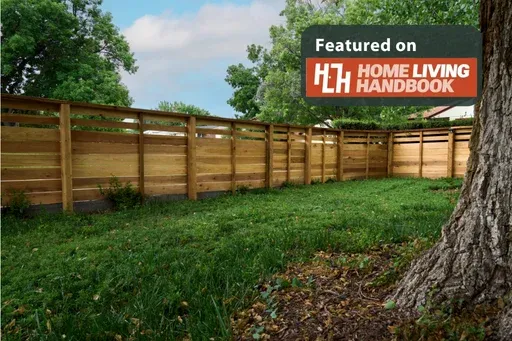
A thoughtfully designed wood fence can do much more than define a property line. It can highlight architectural details, improve outdoor functionality, and create a landscape that feels intentional from every angle. By combining horizontal and vertical layouts, homeowners can introduce visual contrast while maintaining a cohesive appearance that complements the character of their home. Those looking for inspiration can explore Top Rail Fence Omaha to see how professionally planned fencing solutions fit different property styles throughout Omaha.
Instead of limiting a project to a single layout, blending multiple wood fence styles allows each section of the yard to serve a different purpose. A horizontal design may create a contemporary backdrop for outdoor living spaces, while vertical panels can provide timeless charm around gardens, side yards, or traditional landscapes. The result is a fence that feels custom-built for the property rather than selected from a standard catalog.
Why combining fence orientations creates a more personalized landscape
Every yard has unique dimensions, elevation changes, and architectural features. Using one continuous fencing style may overlook opportunities to emphasize these characteristics.
Blending horizontal and vertical sections gives homeowners greater flexibility when designing outdoor spaces. Different layouts can distinguish entertaining areas, improve visual flow, and create focal points that make the landscape more inviting without sacrificing consistency.
Matching each section of the property to its purpose
Different areas around a home often have different functional needs. A backyard gathering area may benefit from broad horizontal lines that create an open, modern atmosphere, while a vegetable garden or utility space may be better suited for classic vertical panels.
Planning the wood fence around how each space is used creates a practical design that remains visually connected from one section to another.
Creating architectural balance
Homes rarely feature identical design elements on every side. Mixing fencing orientations allows the fence to echo those architectural details instead of competing with them.
For example, horizontal boards may complement contemporary exterior finishes, while vertical sections naturally blend with traditional siding, brickwork, or established landscaping.
How thoughtful planning improves the final design
A successful combination fence depends on careful planning before installation begins. Every transition between horizontal and vertical panels should appear intentional and proportionate.
Proper spacing, post placement, and material selection all contribute to a finished project that looks unified instead of divided.
Consistent materials make every section feel connected
Although panel directions may change, consistency in lumber, stain color, and hardware keeps the entire fence visually balanced.
Using the same wood species throughout the project allows the different layouts to complement one another while preserving a seamless appearance across the property.
Midway through the design process, homeowners frequently compare different wood fence solutions to understand how customized layouts can enhance both modern and traditional outdoor spaces.
Smooth transitions between fence sections
Transitions deserve as much attention as the fence panels themselves. Decorative posts, framed sections, or carefully positioned corner assemblies help connect different orientations naturally.
These transition points also provide opportunities to introduce decorative accents without overwhelming the overall design.
Choosing the right types of wood fences for mixed layouts
Not every material performs the same way when used in multiple fence orientations. Selecting the right lumber helps maintain long-term strength while supporting the desired appearance.
Cedar remains one of the most popular options because of its natural resistance to moisture and insects, while pressure-treated pine provides an economical solution for many residential projects.
Regardless of the material selected, professional wood fence installation ensures proper support, consistent alignment, and reliable performance over changing seasonal conditions.
Balancing privacy with openness
One advantage of combining fencing layouts is the ability to adjust privacy levels throughout the property.
Horizontal panels with narrow spacing may create secluded outdoor living areas, while vertical sections with decorative spacing can maintain airflow and visibility where complete privacy is unnecessary.
This flexibility allows homeowners to create distinct outdoor environments without making the entire property feel enclosed.
How custom fence layouts add long-term value
A customized wood fence offers benefits that extend beyond appearance. Carefully planned fencing contributes to organization, usability, and overall curb appeal.
Instead of following a standard installation pattern, homeowners gain a boundary system designed specifically for their property's layout.
Improving outdoor entertainment spaces
Outdoor patios, fire pit areas, and seating spaces become more inviting when framed by fencing that complements their purpose.
Horizontal sections often provide a clean backdrop for outdoor furniture and landscaping, while vertical panels help define transition zones leading into other parts of the yard.
These subtle design differences help create separate destinations within the landscape without interrupting the overall visual flow.
Highlighting landscaping features
Mixed fencing layouts can also draw attention to carefully designed gardens, decorative trees, and hardscape elements.
Changing fence orientation at strategic locations naturally guides the eye across the property, allowing landscaping investments to become part of the overall design instead of blending into the background.
Why professional installation matters for combination fencing
Combining multiple layouts requires precision that extends beyond ordinary fence construction. Every measurement influences how well the two styles connect visually and structurally.
Professional wood fence installation helps ensure accurate post spacing, consistent board alignment, and durable foundations that support every section equally.
According to the American Wood Council, proper wood construction practices contribute to stronger, longer-lasting exterior structures that perform better over time.
Experienced installers also understand how changing grades, drainage conditions, and soil characteristics throughout Omaha can influence the final installation.
Designing a fence that reflects your property's personality
No two homes share exactly the same landscape, making customized fencing an opportunity to create something distinctive. Combining wood fence styles allows homeowners to balance classic craftsmanship with contemporary design while tailoring every section to how the property is used.
Whether the goal is enhancing privacy, improving curb appeal, or defining outdoor living spaces, a professionally planned wood fence creates lasting value through both function and appearance. Top Rail Fence Omaha works with homeowners to develop personalized fencing solutions that complement each property's unique layout and style. When you're ready to begin planning your project, visit the Contact Us page to connect with Top Rail Fence Omaha and discuss the best types of wood fences for your Omaha home.