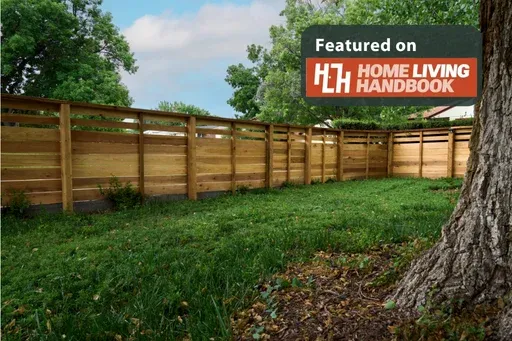
Unlike other materials, wood fencing is not static. It responds to its environment, evolving with each passing season. In Omaha, where weather patterns range from humid summers to freezing winters, this natural adaptability becomes part of the fence’s character. Rather than resisting change, wood fencing embraces it, creating a boundary that feels alive and connected to the landscape.
Homeowners considering this dynamic option can explore regional inspiration and project examples on the Top Rail Fence Omaha, where wood fencing designs reflect the local climate and architectural styles.
The natural rhythm of wood across the seasons
Every season leaves its mark on wood, subtly altering its appearance and performance.
Spring expansion and renewed vibrancy
As temperatures rise and moisture returns to the soil, wood fencing begins to expand slightly. This is a natural response to increased humidity. The wood regains some of its richness in tone, and the fence often appears more vibrant after the dryness of winter.
During this time, proper wood fence installation becomes especially important. Boards must be spaced correctly to allow for expansion without warping or crowding. A knowledgeable fence company anticipates these seasonal shifts during the initial fence installation, ensuring long-term stability.
Summer exposure and sun aging
Summer in Omaha brings intense sunlight and heat. Over time, UV exposure can soften the color of wood fencing, gradually shifting it toward a lighter, weathered tone.
This transformation is not necessarily a drawback. Many homeowners appreciate the natural patina that develops, giving the fence a timeless, lived-in appearance. With the right finish applied during wood fence installation, the aging process can be controlled to maintain visual appeal.
Weather impact and structural adaptation
Beyond seasonal aesthetics, weather plays a direct role in how wood behaves structurally.
Managing moisture during rainy periods
Rain introduces moisture that can temporarily swell wood fibers. Well-planned wood fencing accounts for this by allowing slight movement without compromising integrity.
A professional fence company ensures that posts are set at the correct depth and that drainage is considered during fence installation. This prevents water from pooling around the base, which could otherwise lead to long-term issues.
Winter contraction and durability
Cold temperatures cause wood to contract. In Omaha, freezing conditions can test the resilience of any outdoor structure. Properly installed wood fencing remains stable because it was designed with these changes in mind.
Expert wood fence installation includes selecting materials that can handle temperature fluctuations and ensuring that fasteners and joints remain secure even as the wood shifts slightly.
The evolving aesthetic of natural materials
One of the most distinctive qualities of wood fencing is how its appearance matures over time.
Developing character through aging
Unlike synthetic materials, wood tells a story. Grain patterns become more pronounced, colors deepen or soften, and subtle imperfections add personality. This evolution enhances the charm of residential fencing, making it feel integrated with the home rather than artificially imposed.
Homeowners who value authenticity often choose wood fencing precisely because it changes. Each season adds another layer of visual depth.
Custom finishes that adapt over time
Stains and sealants applied during wood fence installation influence how the fence ages. Transparent finishes highlight natural grain, while semi-transparent stains offer a balance between color and texture.
A skilled fence company helps homeowners select finishes that align with both aesthetic goals and maintenance preferences.
Blending wood fencing with landscape transitions
Wood naturally complements outdoor environments, making it ideal for properties that emphasize landscaping.
Harmonizing with plant life
As plants grow and change throughout the year, wood fencing evolves alongside them. In spring and summer, greenery softens the lines of the fence. In fall and winter, the structure becomes more prominent, providing contrast against bare landscapes.
This seasonal interaction enhances the overall design of residential fencing, creating a dynamic outdoor space that feels cohesive year-round.
Supporting layered outdoor design
Properties with gardens, pathways, and outdoor seating areas benefit from the warmth of wood fencing. It provides a natural backdrop that highlights these features without overpowering them.
For additional ideas on how natural materials enhance outdoor spaces, this wood fence design guide explores creative approaches to integrating fencing with landscaping.
Installation precision for long-term performance
While wood is adaptable, its performance depends heavily on how it is installed.
Proper spacing and alignment
Accurate spacing between boards is essential during wood fence installation. This allows the fence to expand and contract without causing structural issues.
A professional fence company uses precise measurements to ensure that each section aligns correctly, maintaining both strength and visual consistency.
Post stability and ground interaction
The foundation of any fence lies in its posts. During fence installation, posts must be securely anchored to withstand shifting soil and changing weather conditions.
For homeowners researching material comparisons and installation techniques, the wood fencing resource page provides valuable insights into best practices and design considerations.
Long-term value through thoughtful care
Maintaining wood fencing does not require constant effort, but it does benefit from periodic attention.
Routine maintenance for lasting beauty
Simple steps, such as cleaning and resealing, help preserve the appearance of wood fencing. These small efforts extend the life of the structure and keep it looking its best through changing seasons.
A reliable fence company can recommend maintenance schedules tailored to Omaha’s climate, ensuring that the fence continues to perform well over time.
Adapting to future needs
As properties evolve, so do fencing requirements. Wood fencing offers flexibility for modifications, whether adding gates, adjusting sections, or integrating new landscaping features.
This adaptability makes it a practical choice for homeowners planning long-term improvements to their outdoor spaces.
A living boundary shaped by time and expertise
The beauty of wood fencing lies in its ability to change. In Omaha, it reflects the rhythm of the seasons, the influence of weather, and the passage of time. This dynamic quality transforms a simple boundary into a living element of the property.
Top Rail Fence Omaha understands how to harness these natural characteristics through expert wood fence installation and thoughtful design. By combining craftsmanship with local knowledge, Top Rail Fence Omaha delivers residential fencing solutions that evolve gracefully with their surroundings.
Homeowners across Omaha trust Top Rail Fence Omaha for fence installation that respects both the material and the environment. Their approach ensures that every fence not only performs well but also grows more distinctive over time.
If you are ready to invest in a fence that changes beautifully with the seasons, connect with Top Rail Fence Omaha through the Contact Us page. Their team can help you create a wood fencing solution that feels natural, durable, and uniquely yours.