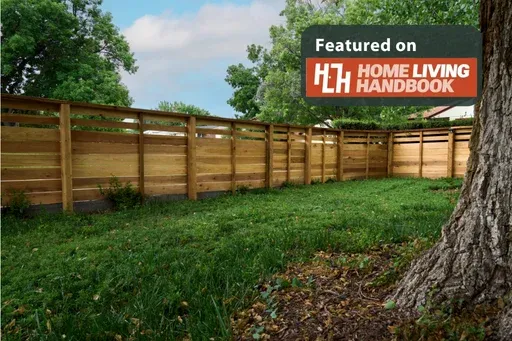
Seasonal weather patterns across Omaha create unique challenges for outdoor structures, especially fencing systems exposed to constant temperature fluctuation. Homeowners investing in wood fence installation services often notice that their fencing's appearance changes throughout the year as freeze-thaw cycles influence moisture levels, board movement, and overall structural consistency.
Many residents begin planning with Top Rail Fence Omaha, where fencing solutions are designed around local climate behavior and long-term seasonal performance. A properly planned fence does more than define a property line. It adapts to environmental conditions that affect appearance, durability, and maintenance throughout changing weather cycles.
Across neighborhoods in Omaha, freeze-thaw conditions play a major role in how wood fencing ages, shifts, and visually evolves over time.
Why do freeze-thaw cycles affect wooden fencing
Moisture absorption during colder months
One of the biggest environmental influences on fencing appearance is moisture absorption. During winter, wood naturally absorbs moisture from snow, freezing rain, and surrounding humidity.
As temperatures rise and fall repeatedly, the moisture inside the fencing material expands and contracts. This process gradually affects the appearance of fencing surfaces installed through wood fence installation services, especially in areas exposed to direct weather conditions.
Expansion and contraction across fence boards
Freeze-thaw cycles create ongoing movement within wooden fencing materials. Boards may slightly expand during wet periods and contract when temperatures become drier or warmer.
Over time, this movement can influence spacing, alignment, and surface texture across fencing systems installed through professional fence installation planning. While these changes are often subtle, they become more noticeable after repeated seasonal cycles.
Seasonal appearance changes that homeowners often notice
Color variation during winter exposure
Cold weather and moisture exposure can temporarily alter the appearance of fencing surfaces. Some sections of wood may appear darker due to retained moisture, while sun-exposed areas may lighten as they dry more quickly.
Homeowners investing in wood fence installation services often observe these variations throughout winter and early spring in Omaha neighborhoods.
Texture shifts during spring thaw periods
As frozen ground begins to thaw, fencing materials experience another adjustment period. Moisture trapped during winter slowly evaporates, causing boards to shift slightly as they settle.
This natural process may influence the visual consistency of fencing surfaces installed through residential fence installation, particularly on properties exposed to open wind and heavy snow accumulation.
Ground movement and fence alignment
Soil expansion near fence posts
Freeze-thaw cycles not only affect wood itself. Soil movement also plays a major role in fence appearance and stability.
When ground moisture freezes, the soil expands. As temperatures warm, the soil contracts again. This repeated movement can place pressure on fence posts and alter alignment over time.
A carefully planned fence installation accounts for these seasonal ground conditions to help maintain structural consistency.
Uneven shifting across larger properties
Properties with varying drainage conditions often experience uneven freeze-thaw movement. Some areas retain moisture longer, while elevated sections dry more quickly.
This difference in soil behavior can influence how fencing installed through wood fence installation services responds across different sections of the property.
How installation planning improves seasonal durability
Proper spacing between fence boards
Professional wood fence installation services often include carefully planned board spacing to accommodate seasonal expansion and contraction.
Without proper spacing, freeze-thaw cycles may place excessive pressure on the fence structure, increasing the likelihood of warping or uneven movement.
Reinforced post support for stability
Fence posts serve as the foundation of the entire structure. During residential fence installation, reinforced anchoring methods help minimize the effects of seasonal soil movement.
This support system allows fencing to remain visually balanced even as freeze-thaw cycles influence the surrounding ground.
Midway through the planning process, many homeowners review Purdue University guidance on exterior wood performance to better understand how weather exposure impacts outdoor wood materials throughout changing seasons.
Surface aging and long-term fence appearance
Gradual weathering patterns
Over time, exposure to moisture, ice, and fluctuating temperatures naturally changes the appearance of fencing materials. This weathering process can create slight tonal differences across fencing surfaces.
Many homeowners working with a professional fence company appreciate how natural aging contributes to the character and appearance of wooden fencing systems.
Sun exposure combined with winter moisture
Freeze-thaw cycles become even more influential when paired with direct sunlight. Areas exposed to both moisture and UV rays may age differently from shaded sections.
This variation contributes to the evolving appearance homeowners often notice after completing wood fence installation services across larger outdoor spaces.
Fence layout considerations in Omaha neighborhoods
Wind exposure and moisture retention
Open yards across Omaha often experience stronger wind exposure during the winter months. Wind affects how quickly fencing dries after snow or rain accumulation.
Properties with limited airflow may retain moisture longer, increasing the visual effects of freeze-thaw cycling on fencing surfaces installed during residential fence installation projects.
Drainage patterns near fencing systems
Drainage also influences how fencing responds to seasonal weather. Areas where water collects near fence posts may experience greater soil expansion during freezing conditions.
Many homeowners exploring wood fencing solutions prioritize layouts designed to support proper drainage and reduce prolonged moisture exposure.
Long-term maintenance and visual consistency
Monitoring seasonal movement
Minor seasonal movement is expected with many fencing systems exposed to changing weather conditions. Monitoring these changes helps homeowners identify when adjustments or maintenance may be beneficial.
A trusted fence company can help evaluate how freeze-thaw cycles are affecting fence alignment, spacing, and overall appearance over time.
Planning for durability beyond installation
Successful wood fence installation services focus on more than immediate appearance. Long-term durability depends on how well the fencing system adapts to environmental conditions year after year.
By considering freeze-thaw behavior during the planning phase, homeowners can improve both performance and visual consistency across all seasons.
Why professional fence installation matters in changing climates
Tailored planning for Omaha conditions
Every property in Omaha experiences weather exposure differently. Elevation, drainage, landscaping, and yard orientation all influence how freeze-thaw cycles affect fencing.
Working with Top Rail Fence Omaha helps homeowners develop fencing systems tailored to these local environmental conditions.
Balancing appearance with structural reliability
A well-designed fence should maintain both visual appeal and structural integrity throughout changing seasons. Professional fence installation strategies help reduce the impact of moisture fluctuation, soil movement, and weather exposure on long-term fence appearance.
This balance is especially important for homeowners investing in durable wood fence installation services across residential properties.
Final thoughts on freeze-thaw effects and fencing appearance
Freeze-thaw cycles across Omaha significantly influence how wooden fencing looks and performs throughout the year. From subtle color changes to seasonal expansion and soil movement, weather conditions continuously shape the appearance of fencing systems exposed to outdoor environments.
By investing in professional wood fence installation services, homeowners can improve long-term durability while maintaining visual consistency across changing seasons. Careful planning, proper spacing, and climate-aware installation methods all contribute to fencing systems that adapt more effectively to local conditions.
Homeowners seeking dependable guidance can work with Top Rail Fence Omaha to design fencing systems built around the realities of seasonal weather exposure and long-term outdoor performance.
For customized planning and professional support, visit the Contact Us page to connect with Top Rail Fence Omaha and explore fencing solutions designed for Nebraska’s changing climate.