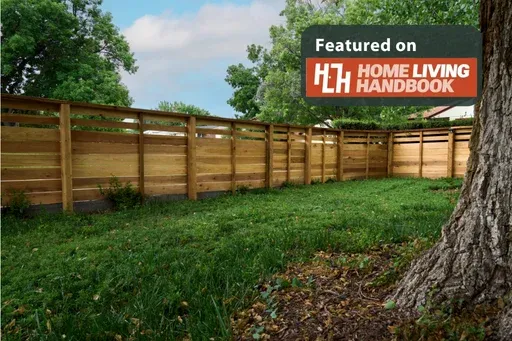
In Omaha, backyard landscapes often come with subtle or dramatic elevation shifts that influence how homeowners approach long-term outdoor planning. These variations make wood fence installation services an essential part of creating stable, visually balanced boundaries that can adapt to uneven ground and multi-tiered yards. Many property owners begin their journey by exploring local guidance through the official Top Rail Fence Omaha page to understand how terrain impacts design choices and durability expectations.
As more neighborhoods develop around naturally contoured land, wood fence installation services are no longer just about enclosing space. They are about adapting structure, flow, and visual alignment to work with the land rather than against it.
Natural elevation shifts and their impact on fence behavior
Split-level yards in Omaha introduce challenges that directly affect how a wood fence performs over time. When ground levels rise or fall across short distances, traditional straight-line installations can appear uneven or structurally stressed if not properly planned.
Why terrain response matters in wood fence installation services
A properly designed wood fence installation service approach accounts for soil movement, grading transitions, and drainage direction. These factors determine whether panels remain aligned or begin to shift over seasonal cycles.
In residential areas where fence installation is frequent, ignoring elevation changes often leads to gaps under panels or uneven picket spacing. A well-planned backyard fence layout avoids these issues by adjusting post depth and spacing according to slope intensity.
Design adaptation techniques for layered backyard spaces
When homeowners consider fence installation for split-level yards, adaptability becomes more important than uniformity. Instead of forcing a single height or straight line, installers often design segmented transitions that follow the land’s natural flow.
Tiered layouts and visual flow control
Tiered fencing allows each section of a wood fence to align with a specific elevation level. This creates a stepped appearance that feels intentional rather than forced. It also improves long-term stability by reducing pressure points caused by uneven soil movement.
Within professional wood fence installation services, this approach is commonly used to maintain both aesthetics and structural integrity across shifting backyard levels.
Soil behavior and seasonal movement considerations
Omaha’s climate plays a major role in how fencing systems respond throughout the year. Freeze and thaw cycles cause soil expansion and contraction, which directly affects post stability and alignment.
Environmental influence on structural longevity
Research from the University of Nebraska-Lincoln Extension – Soil and Water Management highlights how repeated freezing and thawing cycles can shift soil density and impact shallow foundation structures over time.
This is especially important for wood fence installation services, where post setting depth and gravel backfill can determine whether a fence installation remains stable through seasonal changes. Without proper planning, a backyard fence may lean or warp after repeated freeze cycles.
Aesthetic alignment across uneven backyard zones
Beyond structure, homeowners in Omaha also prioritize how a wood fence integrates visually with split-level landscapes. Uneven yards naturally create sightline variations, which can either enhance or disrupt backyard harmony depending on design choices.
Creating continuity with segmented fence lines
Segmented layouts allow each section of a wood fence installation services project to match the height and slope of its surrounding terrain. This avoids abrupt visual breaks and helps the fencing blend naturally into the environment.
A skilled fence company will often recommend alternating panel heights or stepped transitions to preserve both privacy and aesthetic continuity in residential fence installation projects.
Functional zoning in modern backyard design
Split-level yards are increasingly being used for functional zoning, where different elevations serve different purposes such as dining areas, gardens, or play zones.
Supporting usability through structured boundaries
A well-executed backyard fence helps define these zones without making the yard feel segmented or closed off. Instead, it guides movement and creates subtle separation between spaces.
Modern wood fence installation services often incorporate these zoning principles to ensure each level of a yard remains usable while still visually connected.
Midway through many planning discussions, homeowners working with Top Rail Fence Omaha explore how fencing can support both structural balance and lifestyle functionality, especially in yards with elevation complexity.
Material response and long-term durability expectations
A wood fence responds differently to soil movement compared to metal or composite materials. Wood expands, contracts, and shifts slightly with moisture levels, making proper installation techniques critical.
Maintenance cycles and structural stability
Routine inspection is essential for any fence installation in variable terrain. Checking post alignment, board tension, and soil erosion helps maintain long-term stability. A reliable fence company will typically recommend seasonal checks, especially after winter thaw periods.
Homeowners investing in wood fence installation services should also consider protective treatments that reduce moisture absorption and extend material lifespan.
Cost considerations for uneven terrain installations
The wood fence installation cost in split-level yards is often higher than flat terrain projects due to additional labor, grading adjustments, and customized post placement.
Why terrain complexity affects pricing
Sloped yards require more precise leveling, deeper post settings, and sometimes stepped or racked designs. These adjustments increase material usage and installation time, directly influencing overall wood fence installation cost.
However, these investments help ensure the backyard fence remains stable and visually aligned for years, reducing long-term repair expenses.
Final planning insights for Omaha homeowners
Designing a wood fence across split-level terrain in Omaha requires a balance between structure, aesthetics, and environmental awareness. With the right wood fence installation services, homeowners can transform uneven landscapes into visually cohesive and functional outdoor spaces.
Working with an experienced fence company like Top Rail Fence Omaha ensures that every fence installation accounts for soil behavior, elevation shifts, and long-term durability needs.
If you are ready to explore tailored solutions for your property, visit the Contact Us page to connect with Top Rail Fence Omaha and get expert guidance on your next backyard fence project.