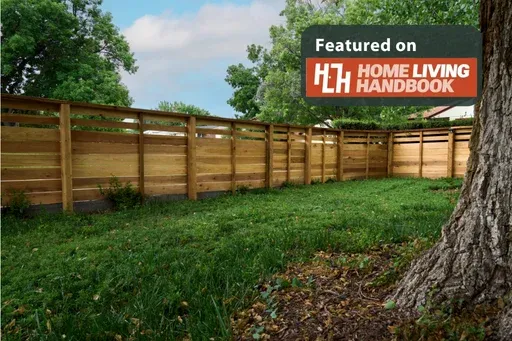
Backyards in Raleigh-Durham homes have evolved far beyond simple open lawn areas. Today, many homeowners use their outdoor spaces for entertaining, dining, relaxing, gardening, and family activities. Because of this shift, fence design has become an important part of shaping how people move through and experience their backyard environment. Instead of functioning only as a property divider, fencing now plays a direct role in organizing outdoor flow and defining gathering spaces.
Homeowners looking to create more intentional outdoor layouts can explore regional solutions through the Top Rail Fence Raleigh-Durham page, where fencing approaches are tailored to modern residential living patterns in Raleigh-Durham.
With support from Top Rail Fence Raleigh-Durham, homeowners can use strategic fence design solutions to improve outdoor circulation, create functional zones, and maintain a cohesive relationship between open areas and private retreat spaces.
Organizing backyard movement through fence design
A carefully planned fence design helps direct how people navigate outdoor spaces. The placement and structure of fencing influence pathways, visibility, and access throughout the yard.
Defining natural walking routes
Strategic fencing placement can subtly guide movement between patios, gardens, pools, and seating areas. Instead of interrupting movement, a thoughtful fence design creates clear transitions between different backyard functions.
Supporting open circulation patterns
Some homeowners prefer wide, open backyard layouts where gathering zones remain visually connected. In these cases, lower-profile or partially open fencing styles help maintain movement without creating visual barriers.
Separating active and quiet spaces
Outdoor spaces often serve multiple purposes at once. A well-planned residential fence layout can separate children’s play areas from quieter entertainment or relaxation zones without making the property feel fragmented.
Creating gathering zones with purposeful fence placement
The location of fencing can directly affect how comfortable and functional outdoor gathering spaces become.
Framing entertainment areas
Many homeowners use fence design to frame patios, firepit areas, and outdoor dining spaces. This creates a sense of enclosure that makes gathering areas feel more intentional and inviting.
Enhancing backyard privacy for social spaces
Privacy is especially important when entertaining guests. A carefully planned fence installation helps reduce visibility from neighboring homes while maintaining a comfortable outdoor atmosphere.
Maintaining the connection between backyard features
Backyard layouts often include multiple activity areas. Proper fence design ensures that pathways and sightlines remain connected so the yard feels cohesive instead of divided.
Homeowners interested in improving outdoor functionality can also explore additional fence installation planning resources that explain how fencing placement influences usability and long-term layout performance.
Modern fence design trends shaping outdoor living
Outdoor living trends in Raleigh-Durham increasingly favor clean, adaptable fencing styles that complement both traditional and contemporary homes.
Horizontal layouts and visual continuity
Many modern fence design styles use horizontal lines to create a wider visual appearance across the backyard. This approach helps outdoor spaces feel more open and connected.
Mixed-material fence design concepts
Combining wood, metal, and composite materials allows homeowners to create more customized backyard environments. These layered approaches help fencing feel integrated into the overall landscape rather than standing apart from it.
Minimalist structures for flexible outdoor use
A simplified modern fence design often works well in multifunctional backyards because it creates structure without overwhelming the surrounding space.
Fence installation strategies that improve usability
The success of any backyard layout depends heavily on how the fence installation process is planned and executed.
Aligning gates with backyard traffic patterns
Gate placement significantly impacts backyard flow. Professional installers evaluate how homeowners enter and move through the space before finalizing the fence installation layout.
Preserving sightlines across gathering areas
An effective fence design should maintain visibility between connected outdoor spaces. This improves both functionality and social interaction during gatherings.
Adapting fence installation to changing terrain
Even small elevation changes can affect how people move through a backyard. Proper fence installation ensures fencing remains visually balanced while adapting naturally to slopes and grading conditions.
Residential fence planning for multifunctional backyards
A modern residential fence must support a variety of outdoor uses while maintaining long-term durability and visual appeal.
Supporting outdoor dining and entertainment
Fencing can help define dining areas, outdoor kitchens, and seating arrangements in a way that improves comfort and organization.
Creating a visual structure around landscaping
A carefully planned fence design complements gardens, walkways, and decorative landscaping features instead of competing with them visually.
Improving comfort without overcrowding the space
An oversized or poorly placed residential fence can make a backyard feel confined. Balanced proportions are essential to maintaining openness while still providing structure and privacy.
How landscaping and fence design work together
Fencing and landscaping should function as part of the same outdoor strategy rather than separate elements.
Layering plants around gathering areas
Trees, shrubs, and decorative greenery soften fencing lines and make gathering spaces feel more inviting. This approach works particularly well alongside modern fence design concepts that emphasize simplicity and clean structure.
Enhancing outdoor transitions naturally
A thoughtful fence design can guide movement between lawns, patios, and garden spaces while maintaining a smooth visual transition throughout the backyard.
According to the American Society of Landscape Architects, outdoor environments that combine structured boundaries with functional gathering spaces contribute significantly to residential usability and long-term property value.
Why professional planning improves backyard flow
Creating a backyard that feels both organized and comfortable requires more than selecting fencing materials. Professional planning ensures that fencing supports how homeowners actually use their outdoor spaces.
With Top Rail Fence Raleigh-Durham, homeowners receive customized recommendations that align fence design with movement patterns, gathering needs, and overall landscape goals. Through detailed planning and expert fence installation, Top Rail Fence Raleigh-Durham helps create outdoor environments that feel connected, functional, and visually balanced.
Additionally, Top Rail Fence Raleigh-Durham helps homeowners select modern fence design solutions that complement both contemporary lifestyles and long-term property aesthetics.
Creating more functional backyard spaces in Raleigh-Durham
The most effective fence design solutions are the ones that improve how outdoor spaces are experienced every day. By shaping movement patterns, defining gathering zones, and supporting privacy, fencing becomes an important part of the overall backyard environment.
To begin planning your next project, visit the Contact Us page and connect with Top Rail Fence for expert guidance on professionally planned fence design solutions in Raleigh-Durham.