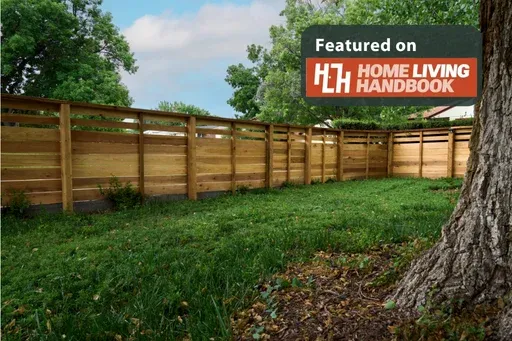
Walking through many neighborhoods in Raleigh-Durham, it becomes clear that fencing serves a larger purpose than simply outlining a property line. A fence can influence curb appeal, reinforce architectural themes, and shape how a home fits into the surrounding streetscape. At the same time, homeowners want outdoor spaces that reflect their own preferences and lifestyle goals.
Finding the right balance between community appearance and individual expression is where thoughtful fence design becomes especially important. Through Top Rail Fence Raleigh-Durham, property owners can explore solutions that respect neighborhood aesthetics while still creating a distinctive and functional outdoor environment.
A successful fence installation should feel connected to the character of the area without making every property look identical. The strongest designs blend local influences with personal priorities, creating outdoor spaces that feel both cohesive and unique.
Understanding the visual language of a neighborhood
Every neighborhood develops its own visual identity over time. Some communities feature traditional homes with classic fencing styles, while others embrace contemporary architecture and more modern outdoor features.
Recognizing existing design patterns
Fence height, material selection, spacing, and decorative details often follow informal patterns throughout a neighborhood. Paying attention to these elements helps homeowners understand what contributes to the area's overall appearance.
A carefully planned fence design does not have to copy neighboring properties. Instead, it can borrow key visual themes that create harmony with nearby homes while introducing customized features that reflect personal taste.
Preserving curb appeal consistency
When fencing complements surrounding properties, it contributes to a more polished and attractive streetscape. Consistency does not require uniformity. Small adjustments in color, gate styles, or decorative accents can create individuality without disrupting neighborhood character.
This approach allows homeowners to enjoy creative freedom while maintaining the visual appeal that often contributes to property values throughout Raleigh-Durham.
Bringing personal style into outdoor spaces
A fence is one of the most visible features on a property. Because of this, homeowners frequently view fencing as an opportunity to express their preferences and lifestyle priorities.
Designing around outdoor living goals
Some families prioritize privacy for entertaining, while others focus on creating safe play areas or defining garden spaces. These goals influence every aspect of fence design, from height selection to layout configuration.
A property designed around outdoor gatherings may benefit from decorative focal points and integrated gate access. Meanwhile, a homeowner focused on backyard relaxation may prefer a design that creates stronger visual separation from neighboring properties.
Creating a distinctive appearance
Personal style can be incorporated through materials, textures, and architectural details. Decorative post caps, customized gate designs, and unique panel configurations all provide opportunities to create a fence that feels tailored to the property.
Homeowners evaluating different options for professional fence installation frequently compare how various designs influence both functionality and visual impact.
When architectural style influences fencing decisions
The home itself should play a major role in determining the direction of a fencing project.
Matching traditional home designs
Historic and traditional homes often pair best with fencing styles that reinforce classic architectural elements. Symmetrical layouts, timeless materials, and clean lines help maintain consistency between the structure and the surrounding landscape.
Rather than competing with the home, the fence becomes an extension of the property's overall design.
Supporting modern residential aesthetics
Contemporary homes often benefit from streamlined fencing concepts that emphasize simplicity and structure. Horizontal layouts, mixed materials, and minimalist details can complement modern architecture while maintaining practicality.
Those researching fence services frequently discover that material selection plays a major role in achieving the desired architectural balance.
Navigating neighborhood guidelines and expectations
Some communities maintain formal regulations regarding fencing, while others rely on informal expectations that shape neighborhood appearance.
Understanding HOA requirements
Many homeowner associations establish standards related to fence height, approved materials, and acceptable placement. Reviewing these requirements before beginning a fence installation project helps prevent costly revisions later.
Early planning allows homeowners to focus their design efforts within approved parameters while still pursuing a customized result.
Respecting community aesthetics
Even in neighborhoods without formal restrictions, thoughtful design choices help maintain positive relationships with nearby residents. A fence that complements the surrounding environment often feels more intentional and integrated into the community.
According to This Old House's fencing resource center, successful fencing projects balance appearance, functionality, and long-term property goals.
Finding flexibility without sacrificing cohesion
The most effective fencing projects avoid extremes. A design that ignores neighborhood context may appear disconnected, while one that follows every existing pattern may fail to reflect the homeowner's personality.
Blending inspiration from multiple sources
Many successful projects combine traditional neighborhood elements with contemporary features. This allows homeowners to create a personalized appearance while maintaining visual compatibility with nearby properties.
Small design adjustments can produce meaningful differences without dramatically altering the overall character of the property.
Prioritizing long-term satisfaction
Trends can change over time, but a well-planned fence design should continue supporting both functionality and aesthetics for years to come. Choosing timeless features alongside carefully selected custom details often produces the most enduring results.
This balance helps homeowners avoid future redesigns while preserving flexibility for landscape updates and outdoor improvements.
Making fencing part of a complete property vision
Fencing works best when considered as part of a larger outdoor strategy rather than a standalone project.
Coordinating with landscaping and hardscaping
A fence should interact naturally with patios, walkways, gardens, and outdoor living areas. Coordinated planning creates smoother transitions throughout the property and helps outdoor spaces feel more cohesive.
Professional guidance can help identify opportunities to strengthen these connections during the design process.
Building a stronger relationship between home and landscape
The right fence design reinforces the relationship between architecture, landscaping, and outdoor functionality. Rather than serving as a simple boundary, fencing becomes an important component of the property's overall identity.
Working with Top Rail Fence Raleigh-Durham provides access to customized solutions that reflect both neighborhood character and homeowner preferences. Through thoughtful planning, professional fence installation can create a fence that feels uniquely personal while still contributing positively to the broader Raleigh-Durham community.
Whether your goal is enhancing curb appeal, improving outdoor functionality, or creating a more distinctive property appearance, Top Rail Fence Raleigh-Durham can help develop a fencing solution tailored to your vision. To discuss your project and explore available options, visit the Contact Us page and connect with Top Rail Fence Raleigh-Durham today.