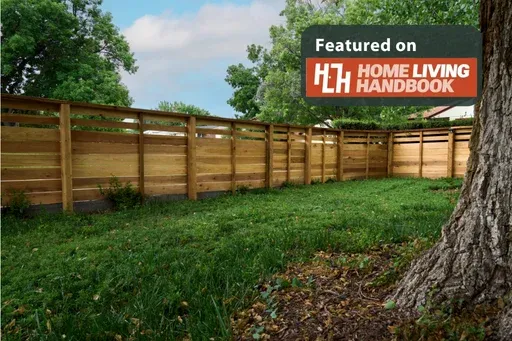
Not every property has a fully defined long-term plan. Across Raleigh-Durham, some lots are waiting for future landscaping projects, outdoor living upgrades, home additions, or changing family needs. In these situations, flexibility becomes just as important as appearance. A carefully planned fence installation can help create structure today while leaving room for tomorrow's possibilities.
Whether a property is undergoing gradual improvements or simply evolving over time, fencing can provide immediate functionality without limiting future options. Those evaluating adaptable fencing solutions can explore Top Rail Fence Raleigh-Durham for customized systems designed to support changing property goals.
Instead of viewing fencing as a permanent final step, many property owners now see fence installation as a framework that helps guide future development.
Flexible boundaries support changing outdoor plans
A property may look very different five years from now than it does today. New patios, gardens, recreational spaces, and outdoor structures can dramatically alter how space is used.
Creating an organization before the final vision exists
One challenge with unfinished outdoor planning is maintaining a sense of order while future decisions are still being considered. A professionally designed fence installation helps define usable areas without requiring every landscape detail to be finalized.
The result is an outdoor environment that feels complete enough to enjoy while remaining adaptable for future upgrades.
Establishing a clear property definition
Even when future plans remain uncertain, property boundaries still need structure. Fencing creates a visual framework that improves organization and helps separate different outdoor zones.
This becomes particularly valuable on larger properties where open spaces can feel disconnected without a clear definition.
Material selection influences future flexibility
Different fencing materials offer unique advantages depending on how the property may evolve in the coming years.
Wood accommodates customization
One reason wood fencing remains popular is its versatility. Design modifications, extensions, and style updates are often easier to integrate compared to some alternative materials.
As outdoor priorities change, wood fencing can adapt to complement new landscaping features, gathering spaces, or architectural additions.
Metal supports long-term durability
For properties focused on durability and visibility, metal fencing offers a clean appearance while maintaining openness throughout the landscape.
Its ability to preserve sightlines makes it especially useful for properties where future design elements may become focal points.
Vinyl provides consistency
Properties seeking low-maintenance solutions may benefit from vinyl fencing. Its consistent appearance helps maintain curb appeal while reducing ongoing upkeep requirements.
This stability can be valuable when property improvements are expected to occur gradually over several years.
Planning fencing around future projects
Successful fence installation is not only about present needs. It should also account for how the property may develop over time.
Leaving room for outdoor living additions
Patios, pergolas, outdoor kitchens, and recreational areas frequently become priorities after fencing is installed. Planning for these possibilities early helps avoid unnecessary adjustments later.
Strategic gate placement and thoughtful layout design can support future accessibility without requiring major modifications.
Accommodating landscape growth
Trees and landscaping features change significantly as they mature. Fencing should complement future growth rather than restrict it.
Property layouts that consider long-term vegetation development tend to maintain stronger visual balance over time.
For property owners comparing material options, reviewing available fence installation solutions can provide valuable insight into designs that support evolving outdoor environments.
Why adaptable fencing matters in growing communities
The pace of change across Raleigh-Durham has influenced how outdoor spaces are planned. Neighborhoods continue to evolve as property improvements, renovations, and lifestyle preferences shift over time.
Outdoor spaces serve multiple purposes
A yard that functions primarily as open lawn space today may become a gathering area, gardening zone, or recreational space in the future.
A thoughtfully designed fence installation helps accommodate these transitions without creating obstacles for future development.
Lifestyle changes influence property needs
Families grow, hobbies change, and outdoor priorities evolve. Fencing that supports flexibility allows properties to respond to these changes more effectively.
This is one reason adaptable designs continue gaining attention throughout Raleigh-Durham neighborhoods.
Visibility and curb appeal remain important
Even when future plans are uncertain, appearance still matters. Fencing remains one of the most visible exterior features on a property.
Consistency creates confidence
A well-designed fence signals care and investment regardless of what future improvements may occur. Consistent fence lines and professional craftsmanship contribute to a more polished appearance from the street.
Both wood fencing and vinyl fencing can help establish visual structure while maintaining flexibility for future updates.
Design should complement multiple possibilities
Rather than designing fencing around a single future outcome, adaptable layouts support a broader range of possibilities.
Neutral, timeless designs tend to integrate more successfully with future landscaping, architecture, and outdoor living features.
Professional planning reduces future limitations
The most effective fencing projects balance current functionality with future opportunities. Careful planning helps avoid decisions that could complicate future property improvements.
Evaluating access requirements early
Future projects frequently require equipment access, material delivery, or expanded movement throughout the property. Gate placement and fence configuration should consider these possibilities from the beginning.
Proper planning today can prevent expensive adjustments later.
Aligning fencing with long-term property value
According to the Landscape Network fencing guide, fencing contributes not only to privacy and security but also to overall property presentation and usability.
This makes fence installation an important component of long-term property planning, even when future development plans remain uncertain.
Building structure without limiting possibilities
Properties do not need a finalized master plan before investing in quality fencing. In many cases, the right fence helps create the structure needed to support future decisions while improving immediate functionality and curb appeal.
Whether the goal is flexibility, privacy, organization, or visual enhancement, adaptable fencing solutions allow outdoor spaces to evolve naturally over time. Top Rail Fence Raleigh-Durham works with property owners throughout Raleigh-Durham to design fencing systems that meet present needs while accommodating future possibilities. If you are considering a customized fence installation, visit the Contact Us page to connect with Top Rail Fence Raleigh-Durham and explore solutions designed for changing properties and long-term outdoor success.