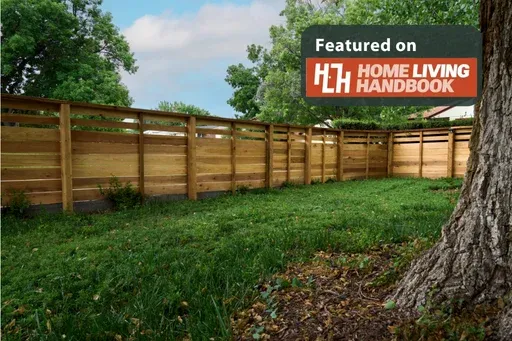
Outdoor improvements rarely happen all at once. A property may gain a new patio one year, expanded landscaping the next, and additional gathering spaces later on. What many people do not realize is that the earliest decisions surrounding fence installation frequently influence every project that comes afterward. In Raleigh-Durham, fencing serves as more than a property boundary. It establishes the framework that guides future outdoor development.
A thoughtfully planned fence can support long-term functionality, improve visual flow, and create opportunities for future enhancements. Those considering outdoor upgrades can explore solutions offered by Top Rail Fence Raleigh-Durham, where customized fencing systems are designed to complement both current needs and future property goals.
The placement, style, and structure of a fence affect how outdoor spaces evolve over time, making fence installation one of the most influential investments a property owner can make.
The first layout decision shapes future possibilities
Before landscaping, outdoor kitchens, or entertainment areas are added, fencing often establishes the physical boundaries that define usable space.
Defining movement throughout the property
Every outdoor area requires a natural flow between different sections of the yard. The location of gates, entry points, and fence lines influences how people move through the space.
A strategic fence installation can improve accessibility while creating a logical connection between future outdoor features.
Creating a foundation for expansion
Outdoor projects tend to build upon one another. A fence that is installed without considering future additions may create limitations later.
Thoughtful planning allows fencing to support future patios, walkways, gardens, and gathering spaces without requiring major modifications.
Fence design influences visual balance
A fence becomes one of the most prominent exterior elements on a property. Its appearance affects how every future improvement is perceived.
Establishing a consistent visual theme
A cohesive fence design creates a visual foundation that helps unify future upgrades. Whether the property eventually includes decorative landscaping or outdoor living areas, fencing serves as a backdrop that ties everything together.
When visual consistency is established early, future additions tend to feel more integrated and intentional.
Supporting architectural harmony
The relationship between fencing and home architecture can significantly impact curb appeal. A well-planned fence design complements the structure instead of competing with it.
As future projects are completed, this architectural harmony helps maintain a cohesive appearance across the entire property.
Outdoor functionality starts with fencing
The usefulness of outdoor spaces often depends on how effectively they are organized. Fencing helps create that organization long before other improvements are completed.
Separating activity zones
Different outdoor areas serve different purposes. Some spaces are intended for relaxation, while others support recreation, gardening, or entertaining.
A professionally planned fence installation helps define these zones and gives future projects a clear framework within which to develop.
Improving privacy planning
Privacy needs can evolve as properties change. Future gathering areas, pools, and recreational spaces may require varying levels of separation.
A flexible fencing strategy allows property owners to adapt outdoor spaces without compromising functionality.
For those evaluating options, reviewing available fence installation solutions can provide valuable insight into designs that support both immediate and long-term outdoor goals.
Future landscaping depends on boundary planning
Landscaping and fencing work together more closely than many people realize. The success of future planting projects is often influenced by fencing decisions made years earlier.
Framing landscape features effectively
Trees, flower beds, shrubs, and decorative elements gain greater visual impact when supported by thoughtful fencing layouts.
A properly positioned fence can draw attention to landscaping investments while helping outdoor spaces feel more structured and complete.
Supporting long-term landscape growth
Plants mature over time, changing how outdoor areas look and function. Fencing should accommodate this growth rather than restrict it.
The most effective fence installation projects account for future landscape development and preserve flexibility for years to come.
Fence services contribute to project coordination
Outdoor improvements frequently involve multiple contractors, timelines, and design priorities. Quality fence services help create a framework that supports coordination between different projects.
Reducing future construction conflicts
Poorly planned fencing can create challenges when additional work is scheduled later. Limited access points and restrictive layouts may complicate future installations.
Professional fence services help ensure that fencing supports future improvements instead of becoming an obstacle.
Maintaining property organization during upgrades
As outdoor projects progress, fencing helps maintain structure and organization across the property. This becomes particularly valuable during phased renovations or long-term development plans.
Residential fence decisions affect property value perception
Fencing contributes to how a property is viewed by visitors, neighbors, and potential buyers. Its influence extends beyond immediate functionality.
Creating stronger first impressions
Because fencing is highly visible from the street, it often becomes one of the first features people notice. A well-designed residential fence communicates care, planning, and investment.
These impressions can enhance the perceived quality of future outdoor improvements.
Supporting long-term curb appeal
As additional projects are completed, the fence continues serving as a visual anchor. A quality residential fence helps maintain consistency even as landscaping and outdoor features evolve.
According to Better Homes & Gardens fencing resources, fencing plays an important role in defining outdoor spaces while contributing to overall property aesthetics and functionality.
Planning today helps avoid limitations tomorrow
The most successful outdoor transformations are rarely accidental. They result from decisions that account for both present needs and future possibilities.
Thinking beyond immediate goals
A fence should not be viewed as an isolated project. Every choice regarding placement, access, and style can influence future improvements.
Considering long-term objectives during the fence installation process helps create opportunities rather than limitations.
Building flexibility into the design
Outdoor priorities can change over time. New family activities, lifestyle preferences, and property improvements may require different uses of available space.
A flexible fencing strategy allows outdoor environments to evolve while maintaining organization and visual appeal.
Why fencing deserves a larger role in outdoor planning
Many property owners focus on patios, landscaping, or entertainment areas when planning improvements. However, the decisions surrounding fence installation frequently determine how successful those projects become.
By establishing boundaries, supporting functionality, and guiding visual organization, fencing influences nearly every outdoor project that follows. Top Rail Fence Raleigh-Durham works with property owners throughout Raleigh-Durham to create customized fencing solutions that support long-term outdoor goals. Whether you are evaluating fence design options, exploring professional fence services, or planning a new residential fence, the right strategy can create lasting benefits for years to come. To discuss your project, visit the Contact Us page and connect with Top Rail Fence Raleigh-Durham for expert guidance and customized recommendations.