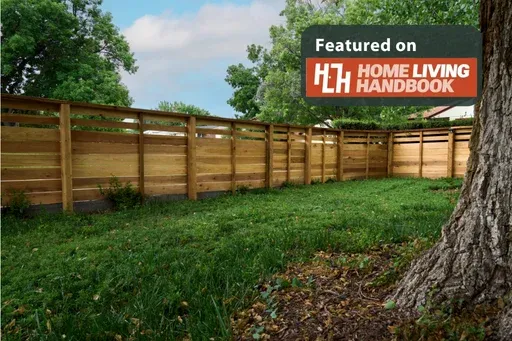
In Raleigh-Durham, changing soil conditions can significantly influence the success of any fence installation project. Before starting your project, homeowners can explore local guidance through the Top Rail Fence Raleigh-Durham page, which helps set expectations for regional conditions and planning considerations.
With support from Top Rail Fence Raleigh-Durham, property owners gain access to professional insight that ensures every fence installation is timed correctly and built for long-term stability, especially in areas where soil moisture fluctuates throughout the year.
Soil moisture plays a critical role in determining when fence installation should take place, as overly wet or overly dry soil can affect post stability, alignment, and long-term durability.
Understanding soil moisture impact on fence installation timing
Soil in the Raleigh-Durham region is known for seasonal variation, shifting between saturated conditions during heavy rain periods and compact dryness during extended warm spells. These fluctuations directly affect fence installation outcomes.
Why soil stability matters for fence installation
A successful fence installation depends heavily on how well posts are anchored. When soil is too wet, it becomes unstable and can lead to shifting posts. When too dry, it becomes overly compact and difficult to dig, affecting precision during setup.
Proper timing ensures that fence installation is completed when soil is at an optimal balance of moisture and firmness.
Seasonal patterns that influence planning
Spring and early summer often bring higher moisture levels, while late summer can result in drier soil conditions. Understanding these patterns helps homeowners and contractors schedule fence installation more effectively.
How fence services adapt to regional soil conditions
Professional fence services take into account more than just design preferences. They evaluate environmental conditions to ensure structural longevity and performance.
Site evaluation before fence installation begins
Before any fence installation, soil testing and site evaluation help determine moisture levels and ground stability. This ensures that installation methods are tailored to current conditions rather than assumptions.
You can also learn more about preparation standards through fence installation resources, which outline key steps for proper planning.
Adjusting techniques for soil variability
Experienced installers adjust post depth, concrete mix ratios, and curing time based on moisture levels. These adjustments ensure that fence installation remains secure even in fluctuating soil environments.
Residential fence installation considerations in changing soil conditions
For homeowners, residential fence installation requires careful timing to avoid structural issues caused by unstable ground conditions.
Protecting long-term durability in home fencing projects
A properly timed residential fence installation reduces the risk of leaning posts or uneven sections. Soil that is moderately moist allows for easier digging while still providing enough stability for setting posts.
Aesthetic consistency in residential fence installation
Beyond structure, residential fence installation also depends on maintaining clean alignment and spacing. Soil stability ensures that fence lines remain straight during and after installation.
Commercial fencing installation and soil management strategies
Larger properties require more complex planning, especially when it comes to commercial fencing installation. Soil conditions can vary across larger areas, making consistency a key challenge.
Scaling fence installation across large properties
For commercial fencing installation, uneven soil moisture across different sections of a property can lead to inconsistent post stability. Professionals manage this by staging fence installation in phases based on soil readiness.
Engineering stability for high-traffic environments
Commercial fencing must withstand greater physical demands. Proper fence installation ensures that structural integrity is maintained even under pressure from environmental and operational stress.
Timing strategies used by professional fence services
Effective fence services rely on timing strategies that align with soil moisture trends, weather forecasts, and ground conditions.
Monitoring soil conditions before installation
Before beginning fence installation, professionals often monitor rainfall patterns and soil saturation levels to determine the best installation window.
Flexible scheduling for optimal fence installation results
Flexibility allows contractors to adjust fence installation timelines based on real-time soil assessments rather than fixed schedules.
Environmental factors influencing fence installation success
Soil moisture is only one part of the equation. Temperature, rainfall, and drainage patterns also impact fence installation outcomes.
Drainage and water retention effects
Poor drainage can lead to oversaturated soil, which weakens post stability during fence installation. Proper grading and planning help mitigate this issue.
Temperature shifts and soil expansion
Heat can cause soil to expand and dry out, affecting how securely fence posts settle during fence installation.
According to the USDA Natural Resources Conservation Service, soil moisture balance is a key factor in maintaining structural consistency in outdoor construction projects.
Why professional guidance improves fence installation outcomes
Working with experts ensures that fence installation is not left to chance. Professionals understand how soil behaves across seasons and adjust accordingly.
With Top Rail Fence Raleigh-Durham, homeowners and businesses receive tailored planning that accounts for local soil behavior and environmental conditions. Top Rail Fence Raleigh-Durham applies region-specific knowledge to ensure each fence installation is completed at the right time for maximum durability.
Building long-term performance through proper timing
Timing is one of the most important factors in achieving a durable and reliable fence system. When fence installation is aligned with optimal soil conditions, it improves structural stability, reduces maintenance needs, and extends the lifespan of the fence.
For personalized planning and expert support, explore more about services through fence services solutions and ensure your project is properly timed.
To get started with professional assistance or schedule an assessment, visit the Contact Us page and connect with Top Rail Fence Raleigh-Durham for expert fence installation guidance tailored to Raleigh-Durham soil conditions.