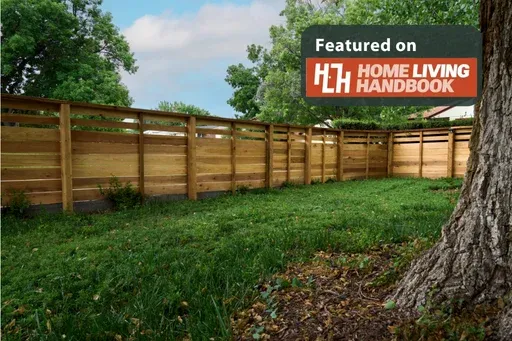
Outdoor privacy is becoming less about building a single solid barrier and more about creating a carefully designed environment. Across Raleigh-Durham, yards are increasingly being used for dining, entertaining, relaxing, gardening, and spending time away from the activity inside the home. As these spaces become more important, the role of fencing is also changing.
A vinyl fence can provide the foundation for a more intentional outdoor environment by defining the property line, blocking unwanted views, and creating a visual backdrop for landscaping and outdoor living areas. For residents planning a new project, the local expertise available through Top Rail Fence Raleigh-Durham can help turn privacy goals into a design that fits the layout and character of the property.
Rather than treating privacy as a single feature, layered fencing combines the vinyl fence itself with landscaping, outdoor structures, strategic placement, and carefully selected design details. This approach is helping redefine what privacy can look like in neighborhoods throughout Raleigh-Durham.
Privacy is becoming a design experience
A traditional privacy fence has one primary job: block visibility. While that function remains important, modern outdoor spaces require more from their boundaries. A backyard may need to feel secluded without appearing visually heavy or disconnected from the rest of the property.
A solid foundation creates visual separation
The vinyl fence provides the most consistent layer of privacy because its panels can create a continuous visual barrier. Solid privacy styles are especially useful for properties that face neighboring yards, busy streets, or areas where nearby homes are positioned close together.
The benefit is not limited to blocking views. A continuous fence line can also make an outdoor space feel more organized. Instead of allowing the yard to visually merge with surrounding properties, the fence establishes a defined setting for patios, pools, gardens, and play areas.
Additional elements soften the boundary
A fence does not need to carry the entire responsibility of creating privacy. Trees, shrubs, raised garden beds, pergolas, and outdoor furniture can all contribute to the feeling of seclusion.
This is where layered design becomes especially effective. A vinyl fence can form the permanent backdrop while plants add texture and seasonal variation in front of it. A seating area can then be positioned to take advantage of the most private part of the yard.
The result is a space that feels enclosed without looking like a single uninterrupted wall.
Why vinyl works well for layered outdoor spaces
Material choice plays a significant role in how a privacy design develops over time. A vinyl fence offers a clean visual foundation that can work with a wide range of residential styles, from traditional homes to newer construction.
A consistent appearance supports surrounding features
Because vinyl fencing typically maintains a uniform appearance, it can provide a stable backdrop for landscaping and outdoor improvements. Plantings, decorative features, and furniture can change over the years without requiring the entire privacy system to be redesigned.
The clean lines of a vinyl fence also allow surrounding features to become more visually prominent. A row of ornamental grasses, a flowering garden, or a shaded seating area can stand out against the fence instead of competing with an overly detailed boundary.
Low-maintenance privacy leaves more time for outdoor living
A privacy feature should not create a constant maintenance burden. One of the reasons vinyl remains popular is that it does not require the same recurring staining or painting associated with many wood fencing systems.
That can make a vinyl fence a practical choice for residents who want a finished outdoor environment without dedicating significant time to preserving the fence surface. With the boundary requiring less routine attention, more focus can remain on landscaping and enjoying the space itself.
Layering can respond to different privacy needs
Not every part of a yard requires the same level of screening. A patio may need stronger separation from a neighboring property, while a side yard may only need a defined boundary. A thoughtful design can account for these differences.
Privacy can be concentrated where it matters most
A full enclosure is not always necessary to improve the experience of an outdoor area. A vinyl fence can be used to establish a private perimeter, while landscaping and structures can provide additional screening around specific activity zones.
For example, a seating area may benefit from taller planting near the fence, while an open section of the yard can remain visually lighter. This creates different levels of privacy within the same property.
Outdoor rooms create more useful space
Layered privacy can also help divide a large yard into separate outdoor rooms. A dining area, fire pit, garden, and play space can each have their own sense of definition without requiring separate walls.
A well-planned privacy fence installation can establish the overall boundary, while plantings and hardscape elements help organize how the interior space is used. This approach can make a yard feel larger because each section has a clear purpose.
Installation planning determines how well the layers work together
A successful privacy design depends on more than choosing a fence style. The position, height, gates, property lines, and relationship between the fence and surrounding features all affect the final result.
Fence placement should follow the way the yard is used
The ideal fence line should account for patios, walkways, landscaping, drainage, and access points. Placing a fence without considering these elements can create awkward transitions or limit future improvements.
During the planning stage, it can be helpful to consider where privacy is most important throughout the day. A patio may require screening from a neighboring second-story window, while a side yard may need a different approach because of access requirements.
This is why professional vinyl fence installation involves more than simply placing panels around the perimeter. The layout should support the way the property functions.
Gates are part of the privacy strategy
Gates should be considered as part of the overall design rather than added as an afterthought. Their placement affects access, circulation, and the visual continuity of the fence line.
A well-planned gate can maintain the appearance of a continuous vinyl fence while providing convenient access to gardens, driveways, patios, and service areas. The right configuration can also prevent privacy gaps from appearing in the areas where the fence is most visible.
For residents comparing local fence companies, evaluating the design and planning process is just as important as comparing materials. A contractor that considers the entire outdoor environment can help ensure the finished installation works as part of the property rather than appearing separate from it.
The Raleigh-Durham landscape makes adaptable privacy valuable
Neighborhoods across Raleigh-Durham include a wide variety of home styles, lot sizes, and outdoor layouts. Some properties have compact yards with neighboring homes nearby, while others have larger spaces that require more strategic screening.
Different lots call for different layers
A smaller yard may benefit from a clean vinyl fence paired with carefully placed greenery to prevent the space from feeling enclosed. A larger property may use the fence as a background element while trees, garden beds, and outdoor structures create multiple privacy zones.
The flexibility of layered design makes it easier to adapt privacy solutions to the specific property instead of applying the same approach everywhere.
Privacy can support curb appeal as well
Although privacy fencing is usually associated with the backyard, the overall appearance of a fence can influence how a property looks from surrounding areas. Clean lines, coordinated gates, and thoughtful landscaping can help a vinyl fence feel like an intentional part of the home’s exterior design.
The Vinyl Fencing options available from Top Rail Fence demonstrate how different styles, heights, and configurations can be adapted to different property needs.
A layered approach creates longer-lasting outdoor value
The strongest privacy designs are not necessarily the tallest or most visually dominant. They are the ones that work with the property’s layout and continue to serve different needs over time.
A vinyl fence can provide the dependable structural foundation. Landscaping can add softness and natural screening. Outdoor structures can create additional separation, while furniture and lighting can help define how each area is used.
Together, these elements create a more complete outdoor environment than a single privacy feature could provide on its own.
For residents considering a new vinyl fence installation, the right approach begins with understanding how the yard should function, where privacy is most important, and how the boundary can complement the rest of the property. Top Rail Fence Raleigh-Durham can help homeowners plan a fencing solution that balances privacy, appearance, access, and long-term usability. To discuss your project and explore available options, visit the Contact Us page and connect with Top Rail Fence Raleigh-Durham.
The Better Homes & Gardens guide to patio privacy ideas offers additional examples of how fencing, landscaping, and outdoor structures can work together to create more secluded outdoor spaces.