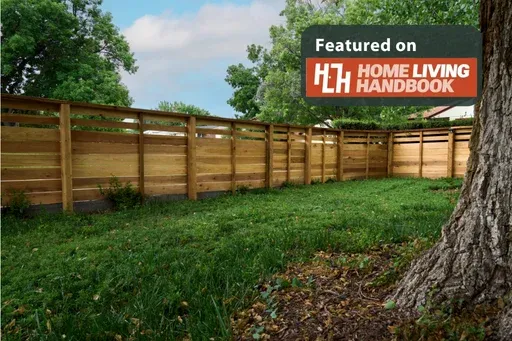
Utility areas serve important purposes, but they are rarely designed with the same attention given to patios, gardens, or other outdoor features. In Raleigh-Durham, a side area may contain air-conditioning equipment, trash containers, gardening supplies, hoses, or storage items that interrupt an otherwise attractive yard. Thoughtfully designed vinyl fencing can bring these practical spaces into the overall landscape plan while preserving access and functionality. With guidance from Top Rail Fence Raleigh-Durham, homeowners can create a finished appearance without sacrificing the usefulness of these overlooked areas.
Giving necessary equipment a more intentional setting
Utility equipment does not have to dominate the appearance of a backyard or side yard. A carefully positioned fence can establish a visual boundary between everyday service functions and the areas used for relaxing or entertaining.
Creating a consistent visual background
Air-conditioning units, bins, gardening tools, and outdoor storage can introduce mismatched colors and shapes into an otherwise coordinated landscape. Vinyl fencing provides a consistent surface that can make these elements less prominent.
A properly selected fence style can also complement the home's exterior, allowing the utility area to feel connected to the rest of the property instead of looking like an isolated service zone.
Keeping important equipment accessible
Screening should never prevent necessary maintenance. Utility equipment requires room for inspection, servicing, and replacement, so the fence layout needs to account for practical access.
A strategically positioned gate can provide an entry point for homeowners and service professionals while maintaining the visual continuity of the surrounding vinyl fencing.
Making narrow service areas easier to organize
Side yards frequently contain limited space between the house and property boundary. These areas may function as walkways, storage zones, utility corridors, or access routes at different times.
Separating movement from storage
A fence can help distinguish a walking route from the area where bins, tools, or equipment are kept. Instead of allowing everything to occupy the same visual field, fencing can establish separate zones within a compact footprint.
This arrangement can make a narrow side yard feel more orderly while preserving enough room for people to move between the front and rear portions of the property.
Working with unusual property layouts
Not every utility space has a perfectly straight boundary. Existing structures, landscaping, elevation changes, and property configurations can influence where a fence can be placed.
Flexible vinyl fence designs can accommodate these conditions through carefully planned panel runs, transitions, and gates. The result can look deliberate rather than like a fence was simply added around an inconvenient area.
Selecting a style that fits the surrounding architecture
A utility enclosure should support the appearance of the property rather than becoming another distracting feature. Vinyl offers several design possibilities that can be matched to the level of screening and visual openness desired.
Choosing solid panels for stronger screening
Solid panels can provide a clean backdrop when the objective is to reduce the visibility of equipment, containers, or stored materials. Their uninterrupted appearance can create a calmer view from nearby windows, patios, and walkways.
This approach works particularly well when a utility area sits directly beside an outdoor living space where visual clutter would otherwise be noticeable.
Using open designs for lighter separation
Full screening is not necessary for every situation. Picket or partially open vinyl fence designs can establish a boundary while maintaining a greater connection with the surrounding landscape.
An open style can work well when the utility area contains attractive planting or when homeowners want the space to remain visually connected to the rest of the yard.
Connecting utility zones with the rest of the landscape
Fencing becomes more effective when it is considered alongside the features surrounding it. A utility enclosure should look like part of the landscape rather than an independent structure.
Softening fence edges with planting
Planting along appropriate sections of a fence can soften its appearance and help connect it with nearby garden beds. Low shrubs, ornamental grasses, and other suitable plants can introduce texture around the fence line.
Plant selection should still allow sufficient clearance around equipment, gates, and access points. This creates a balance between visual improvement and practical maintenance.
Repeating materials for greater continuity
A consistent color or fencing style can visually connect different parts of a property. For example, a vinyl enclosure around a utility area can complement another fence section, a garden gate, or exterior architectural details.
Repeating these elements helps the entire yard feel more coordinated without requiring every outdoor area to look identical.
Building access into the fence design
Utility screening works best when the practical requirements of the space are considered before installation. A beautiful enclosure can become frustrating if gates are difficult to operate or equipment cannot be reached comfortably.
Positioning gates around real movement patterns
Gate placement should reflect how the area will actually be used. A gate near a common walkway may provide easier access than one positioned behind landscaping or other obstacles.
The width and swing direction should also accommodate the movement of equipment, containers, and people. These details can make a noticeable difference in how convenient the finished space feels.
Allowing room around mechanical equipment
Air-conditioning units and other mechanical systems should not be crowded by fencing. Adequate space around equipment supports routine service access and helps prevent the enclosure from becoming impractical.
During vinyl fence installation, measurements should therefore consider both the fence line and the usable space surrounding the equipment.
Accounting for the Raleigh-Durham environment
Outdoor fencing in Raleigh-Durham needs to function within the property's existing landscape conditions. Sloped ground, drainage patterns, mature vegetation, and seasonal weather can all influence how a fence should be positioned.
Reviewing the site before construction
A site review can identify potential conflicts before posts and panels are installed. Property boundaries, underground utilities, drainage routes, existing structures, and access requirements should all be considered as part of the planning process.
The NC State Extension landscape design guidance recommends considering existing utilities, structures, drainage, and other site conditions when planning residential landscape improvements. This type of preparation can help create a vinyl fencing layout that works with the property instead of against it.
Planning around existing landscaping
Trees, shrubs, garden beds, and established pathways may already occupy the proposed fence route. Adjusting the layout to account for these features can help protect the existing landscape while producing a more natural finished appearance.
Thoughtful planning also reduces the likelihood that future landscaping maintenance will conflict with the fence.
Creating a utility area that remains useful
A well-designed utility enclosure should support today's needs while allowing for future changes. Equipment may eventually be replaced, storage requirements can change, and landscaping continues to develop.
Leaving flexibility for future maintenance
Avoiding an overly restrictive enclosure gives homeowners more freedom when equipment needs to be serviced or replaced. A thoughtfully planned gate and sufficient working space can make future maintenance considerably easier.
This is one reason professional fence installation should consider more than the appearance of the finished panels. The layout needs to function throughout the life of the property.
Keeping the design visually simple
Utility areas usually benefit from straightforward designs. Too many decorative elements can make a small space feel crowded, while a clean fence profile can provide the visual order the area needs.
Simple vinyl fencing can create a polished boundary without competing with landscaping, architecture, or outdoor living features.
Giving overlooked spaces a finished identity
A utility area may occupy only a small portion of a property, yet its visibility can influence how polished the entire backyard feels. Vinyl fencing can help conceal visual clutter, organize narrow service zones, and establish a consistent design language across the landscape.
For Raleigh-Durham homeowners, the right combination of fence style, gate placement, access, and landscaping can turn an overlooked service area into a purposeful part of the property. Top Rail Fence Raleigh-Durham can help develop a practical approach based on the site's layout and the homeowner's goals.
Whether the project involves screening mechanical equipment, organizing a side passage, or creating a cleaner setting for outdoor storage, vinyl fencing can provide both visual structure and everyday functionality. Homeowners ready to discuss their project can visit the Contact Us page to explore their options with Top Rail Fence Raleigh-Durham.