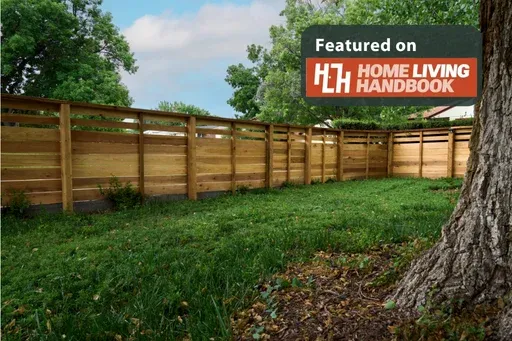
A driveway serves an important practical purpose, but its constant movement can make an adjacent backyard entertaining area feel less private and less defined. In Raleigh-Durham, where outdoor spaces are frequently used for dining, relaxing, and gathering with friends, a strategically positioned wood fence can create a clearer transition between vehicle areas and spaces intended for people. With guidance from Top Rail Fence Raleigh-Durham, homeowners can use wood fencing to establish separation while preserving a natural connection between the driveway, home, and backyard.
Creating a visual boundary between cars and conversations
A driveway introduces movement into an otherwise relaxed outdoor setting. Vehicles arriving, guests walking toward the house, and routine trips to and from the garage can all draw attention away from a patio or seating area.
A wood fence can interrupt those sightlines and give the entertaining space a stronger visual identity without requiring a permanent wall.
Screening the busiest parts of the driveway
Fence placement can be used to block direct views toward parked vehicles or the garage while leaving other portions of the yard open. This creates a more focused setting around patios, decks, and outdoor dining areas.
The objective is not necessarily to hide the entire driveway. Instead, the wood fence can be positioned where it provides the greatest improvement to the experience of the entertaining area.
Making the backyard feel intentionally separate
A fence can establish a psychological boundary even when the driveway remains physically close. Guests entering the backyard immediately recognize that the space beyond the fence serves a different purpose.
This distinction can make an outdoor dining area or seating zone feel more like an extension of the home rather than another section of the driveway.
Designing the fence around outdoor gathering patterns
The most effective wood fence installation should respond to how people actually use the property. A fence that looks attractive but interferes with walking routes, furniture placement, or access to the garage can create new problems.
Protecting comfortable seating arrangements
Outdoor furniture is easier to arrange when the entertaining area has a defined edge. A wood fence can create a backdrop behind seating, dining tables, or a grilling station while leaving sufficient room for people to move around.
This can also help orient furniture away from vehicle traffic and toward gardens, patios, or other desirable views.
Preserving convenient routes through the yard
A well-planned fence installation should not force guests to take an unnecessarily long route between the driveway, house, and backyard. Gate placement can maintain a convenient connection while still creating a noticeable separation.
The result is a space that feels private without becoming difficult to access.
Using wood to soften the transition between hard surfaces
Driveways typically introduce concrete, asphalt, or pavers into the landscape. These materials can have a more utilitarian appearance than lawns, gardens, and outdoor furniture.
Wood introduces a warmer visual element that can help bridge these contrasting areas.
Creating contrast with driveway materials
The natural texture of a wood fence can soften the harder appearance of a driveway. This contrast becomes particularly useful when the fence is positioned between a paved surface and a landscaped backyard.
Instead of allowing the driveway to dominate the view, the fence provides a vertical element that redirects attention toward the outdoor living area.
Coordinating the fence with existing landscape features
A wood fence can work alongside trees, planting beds, retaining walls, decks, and patios. Repeating wood tones through furniture, pergolas, gates, or other landscape elements can further connect the fence with the rest of the property.
This creates a more deliberate transition instead of making the fence appear like an isolated barrier.
Choosing the right amount of privacy
Complete enclosure is not always necessary. The ideal wood fence design depends on how much visual separation the entertaining area needs from the driveway.
Using taller panels for secluded gatherings
A taller fence can be appropriate when the driveway is heavily used or directly overlooks a patio. Solid panels can reduce visual distractions and give guests a greater sense of separation.
This approach can be especially useful around outdoor dining areas where homeowners want conversations and meals to feel removed from everyday vehicle activity.
Leaving portions more open
A partially open design can maintain visibility while still defining the entertaining area. Lower sections, spaced pickets, or decorative details can establish a boundary without making the yard feel enclosed.
This can be a useful solution when homeowners want to maintain sightlines toward the driveway for security or convenience.
Turning the fence into part of the entertainment setting
A wood fence does not have to function only as a boundary. Its position and design can make it an active component of the outdoor living environment.
Creating a backdrop for outdoor features
Fence panels can provide a visual background for planters, lighting, seating, grills, and decorative elements. When positioned behind an entertaining area, the fence can make the space appear more finished.
Plants can also soften the transition between the fence and surrounding lawn or patio surfaces.
Adding gates that support the flow of guests
A gate can connect the driveway directly to the entertaining area when that access is useful. For example, guests carrying food, furniture, or outdoor equipment may benefit from a wider opening.
The gate can also become a design feature by matching the style, height, and finish of the surrounding wood fencing.
Accounting for Raleigh-Durham landscape conditions
The local setting should influence where and how a fence is installed. Drainage, mature trees, slopes, sunlight, existing structures, and property boundaries can all affect the final layout.
NC State Extension's landscape design guidance recommends evaluating the entire site, including property lines, driveways, patios, walkways, drainage, existing vegetation, and intended activities before developing a landscape plan. It also identifies fencing as one of the vertical elements that can define outdoor space and frame views. NC State Extension's landscape design guidance provides a useful reference when planning how a wood fence should interact with the rest of a residential landscape.
Working around established trees
Trees can create shade and character around entertaining spaces, but their locations may influence fence placement. A professional evaluation can help determine how the fence should meet existing landscaping without creating unnecessary conflicts.
Considering drainage and changing grades
A sloped yard may require additional planning to maintain a consistent fence appearance while accommodating changes in elevation. Drainage patterns should also be considered so that the new boundary works with the property's existing water flow.
Making privacy part of the entertaining experience
A privacy fence installation can do more than block views. It can change how an outdoor space feels by reducing visual distractions and establishing a stronger sense of enclosure.
Separating social spaces from everyday activity
When the driveway is visually screened, guests can focus on the people and activities within the backyard rather than vehicles moving nearby. This distinction can make casual gatherings feel more comfortable.
Supporting multiple uses throughout the year
The same fenced area might host summer dinners, children's activities, weekend cookouts, or quiet evenings outdoors. A flexible wood fence design can support these changing uses without requiring a complete backyard redesign.
Planning a fence that complements the whole property
The strongest wood fence designs do not treat the driveway and backyard as unrelated areas. Instead, they consider how people enter the property, where vehicles are parked, where guests gather, and how the outdoor spaces connect.
Top Rail Fence Raleigh-Durham can help homeowners evaluate these relationships when developing a wood fence installation plan. The local team provides customized fencing solutions designed around individual property layouts, rather than applying the same configuration to every yard.
A successful fence installation can therefore create more than a physical boundary. It can redirect sightlines, frame outdoor rooms, soften the transition from pavement to landscaping, and make entertaining areas feel intentionally separated from vehicle traffic. For Raleigh-Durham homeowners, this approach can turn the space beside a driveway into a more comfortable part of the backyard rather than an area that constantly competes for attention.
Giving backyard gatherings a more defined setting
A thoughtfully positioned wood fence can make a significant difference when a driveway sits close to an outdoor entertaining area. By controlling views, establishing boundaries, and coordinating with landscaping, the fence can help the backyard feel calmer and more purposeful.
Whether the goal is a privacy fence installation, a decorative boundary, or a broader fence installation project, the design should reflect how the property is actually used. Top Rail Fence Raleigh-Durham can help homeowners develop a solution that balances privacy, access, appearance, and everyday functionality. To discuss your project and explore available wood fence options, visit Contact Us and connect with Top Rail Fence Raleigh-Durham.