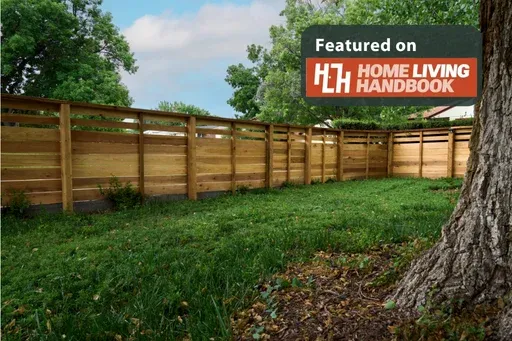
Narrow side yards can easily become overlooked portions of a property, particularly when they sit between a home and a neighboring structure or run alongside a driveway. Yet these spaces can become more useful and visually appealing when their boundaries are intentionally designed. In Raleigh-Durham, a carefully planned wood fence can give a narrow passage a stronger sense of purpose without taking away valuable yard space. With guidance from Top Rail Fence Raleigh-Durham, homeowners can explore ways to use wood fencing for privacy, organization, garden definition, and everyday access.
Making narrow spaces feel intentionally designed
The challenge with a narrow side yard is rarely a lack of available features. The bigger issue is how those features relate to one another.
A wood fence can introduce a clear vertical boundary that organizes the space while leaving the existing footprint unchanged.
Establishing a cleaner visual edge
A side yard can look unfinished when lawn, gravel, utility equipment, and neighboring structures all compete for attention. A consistent wood fence creates a defined edge that brings those elements into a more organized composition.
The fence does not need to occupy additional yard area to create this effect. Its visual presence alone can make the passage feel more deliberate.
Giving the space a recognizable function
A narrow side yard may serve as a walkway, gardening area, pet route, storage corridor, or access point to the backyard. Once its purpose is established, the fence can be positioned to support that function.
This prevents the area from becoming an afterthought and allows a small section of the property to contribute more effectively to the overall landscape.
Preserving movement through limited-width areas
In a narrow yard, every inch matters. A fence should provide separation without creating an uncomfortable passage.
Keeping pathways practical
Before a wood fence installation, the available walking area should be considered alongside doors, gates, outdoor equipment, and other features that require regular access.
A properly positioned fence can leave enough room for people to walk comfortably while maintaining the desired boundary.
Planning gates around everyday routines
A gate should be located according to how the side yard is actually used. A homeowner who regularly moves lawn equipment between the front and back of the property may need a wider opening than someone who uses the passage primarily for walking.
Thoughtful gate placement can make a narrow area much easier to navigate without changing its overall dimensions.
Using wood to add warmth to compact passages
Narrow side yards can sometimes feel stark because they are bordered by siding, masonry, concrete, or other hard surfaces. Wood introduces texture and warmth that can soften the appearance of the corridor.
Creating contrast against exterior walls
The natural character of a wood fence can create an appealing contrast with brick, stone, vinyl siding, or painted exterior walls.
Rather than allowing the fence and home to compete visually, the two surfaces can work together to create a layered appearance.
Framing greenery in tight spaces
Plants can be difficult to arrange in a narrow yard because there is limited room for expansive garden beds. A wood fence provides a vertical background for climbing plants, containers, shrubs, or other carefully selected greenery.
This allows landscaping to develop upward rather than requiring additional horizontal space.
Building privacy without making the yard feel smaller
Privacy is often one of the main reasons for installing a wood fence along a side yard. However, complete enclosure is not always necessary.
Blocking unwanted views selectively
A fence can be placed strategically to screen windows, neighboring yards, outdoor equipment, or heavily used areas while leaving other portions more open.
This selective approach can provide privacy where it matters most without making the entire side yard feel closed in.
Choosing proportions that suit the passage
The relationship between fence height and yard width deserves careful consideration. A very tall fence in an exceptionally narrow corridor can create a more enclosed feeling, while a lower or more open design may preserve a greater sense of space.
The appropriate configuration depends on the property's layout and the homeowner's priorities.
Turning a side yard into a useful garden corridor
A narrow side yard can become an effective connection between front and back landscaping. The fence can act as a consistent backdrop while plants and pathways provide visual interest.
Organizing planting areas
Rather than placing plants randomly along a narrow strip, homeowners can use the wood fence as a reference point for organizing containers, raised beds, or smaller planting zones.
This creates repetition and order without requiring a large garden footprint.
Making seasonal changes more noticeable
A consistent fence remains visually stable while flowers, foliage, and other plants change throughout the year. Spring blooms, summer greenery, autumn color, and winter textures can all appear more prominent against a simple wood backdrop.
The fence therefore becomes a supporting element for the landscape rather than competing with it.
Designing around Raleigh-Durham's existing property features
Every narrow side yard has its own obstacles and opportunities. Mature trees, slopes, drainage patterns, exterior doors, HVAC equipment, utility access, and property lines can all influence a fence installation.
Working around mature trees
Existing trees can make a narrow passage more complicated, but they can also add character. Fence placement should account for trunks, roots, branches, and future growth rather than treating the tree as an obstacle to be ignored.
A professional evaluation can help determine how the fence should transition around established landscaping.
Maintaining access to utilities
Outdoor equipment may require periodic inspection or servicing. A fence design should preserve practical access rather than permanently enclosing equipment that technicians need to reach.
Gates and removable access points can be incorporated where necessary.
Using fencing to separate practical and private zones
Side yards frequently perform several jobs at once. One section may provide access to the backyard while another contains trash bins, gardening equipment, or mechanical systems.
A wood fence can help distinguish these functions without requiring additional construction.
Screening equipment from primary outdoor views
Utility equipment can be visually distracting when viewed from a patio, kitchen window, or backyard seating area. A strategically placed fence can create a cleaner sightline while keeping the equipment accessible.
This makes the side yard feel more polished without sacrificing functionality.
Creating a controlled route for pets
For households with dogs, a side yard can provide a useful connection between indoor spaces and the backyard. Fencing can establish a predictable route while limiting access to areas that should remain off-limits.
The layout can be tailored to the available space rather than requiring a large dedicated enclosure.
Considering materials and maintenance before installation
The right wood fence should fit both the property's appearance and the level of upkeep the homeowner is prepared to provide.
Selecting a suitable wood style
Different wood profiles can produce different visual effects. A solid design can emphasize privacy, while more open configurations can preserve light and visibility in a narrow passage.
The fence style should complement the architecture of the home and the character of the surrounding landscape.
Planning for long-term care
A wood fence installation should include consideration of staining, sealing, cleaning, drainage, and general maintenance. Keeping vegetation from remaining constantly against the fence can also help preserve the material.
Homeowners should consider these responsibilities when choosing a design so the finished installation remains practical over time.
Making a narrow yard feel more connected to the home
A well-designed wood fence can help a narrow side yard feel like an intentional extension of the property rather than leftover space. When fence lines, gates, pathways, landscaping, and exterior features are considered together, even a tight corridor can contribute to the property's overall appearance.
The wood fencing options available for Raleigh-Durham properties can be evaluated according to privacy needs, architectural style, access requirements, and the intended purpose of the side yard.
A narrow side yard needs more than a fence that simply fits the available width. Drainage, soil conditions, existing plants, and access paths can all affect how the finished space functions. The USDA Natural Resources Conservation Service provides resources on soil and water considerations that can help inform outdoor improvement planning. Taking these conditions into account can help a wood fence installation work with the existing landscape while supporting practical fence installation decisions.
Creating continuity from front to back
A consistent fence style can visually guide the eye through a narrow passage. Matching gates and coordinated landscaping can reinforce that connection.
Instead of treating the side yard as a separate area, this approach makes it part of a continuous outdoor environment.
Improving the experience without expanding the footprint
The greatest advantage of a thoughtful wood fence design is that it can change how the space feels without requiring more land. Better boundaries, improved privacy, organized landscaping, and clearer circulation can all be achieved within the existing footprint.
Giving overlooked side yards a stronger purpose
A narrow side yard does not need to be expanded to become more useful. A carefully planned wood fence can define its role, improve privacy, create a garden backdrop, screen practical features, and make movement through the space more comfortable.
For Raleigh-Durham homeowners, Top Rail Fence Raleigh-Durham can help develop a residential fencing solution that accounts for the home's architecture, property layout, landscaping, and everyday routines. A successful fence installation should enhance the space without overwhelming it, particularly when every available inch matters.
Whether the goal is a private walkway, garden corridor, equipment screen, pet area, or simple property boundary, the right wood fence installation can make a noticeable difference within the existing yard. To discuss your side-yard project and explore a practical fencing solution, visit Contact Us and connect with Top Rail Fence Raleigh-Durham.