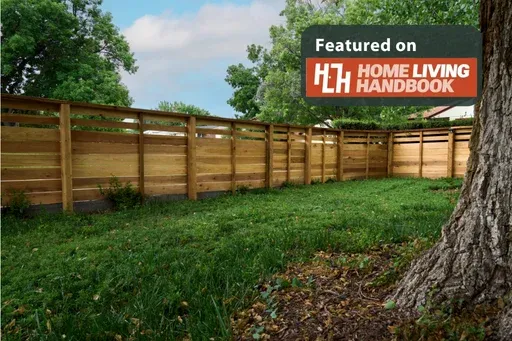
Designing outdoor boundaries in South Jersey often requires more thought than simply marking property lines. A privacy fence is not only a structural feature but also a design decision that directly affects how open or enclosed a backyard feels. When homeowners begin planning a privacy fence installation, they are usually trying to solve two competing goals: creating comfort and maintaining a sense of openness.
Early-stage planning often starts with understanding layout options through the Top Rail Fence South Jersey page, where different approaches to fence installation help homeowners visualize how a yard will function once enclosed.
The challenge is that a privacy fence can easily shift a space from feeling like a retreat into something that feels overly enclosed if placement is not carefully considered.
How enclosures change the way outdoor spaces feel
A privacy fence has a strong psychological effect on how a backyard is experienced. It can create calm, but it can also unintentionally reduce connection to the surrounding environment.
When a backyard feels like a retreat
A properly planned privacy fence installation helps reduce outside distractions such as traffic, neighboring activity, and street visibility. This makes outdoor areas feel more usable for relaxation, dining, or family time.
In many cases, a well-executed fence installation transforms a simple yard into a defined outdoor living zone that feels intentional and comfortable.
When the enclosure becomes too strong
If a privacy fence is installed without considering spacing, height, or yard orientation, it can limit airflow and natural light. This sometimes leads to a backyard feeling smaller than it actually is, especially after a full backyard fence installation.
Why placement decisions matter more than materials
Material choice is important, but placement determines how the entire space functions.
Guiding movement through the yard
A well-planned fence installation supports natural movement patterns instead of blocking them. Paths between patios, gardens, and open lawn areas should feel intuitive rather than restricted.
A poorly placed privacy fence can interrupt how people naturally move through the yard, even if the material itself is high quality.
Defining usable outdoor zones
Modern yards are rarely used for just one purpose. A privacy fence installation can help divide areas for dining, play, gardening, or relaxation without fully isolating each space.
This zoning effect becomes especially important in multi-use outdoor environments.
Finding the right level of privacy
Not every part of a yard requires the same level of enclosure. Understanding this balance helps prevent overbuilding.
Full privacy for high-activity spaces
Spaces used for gatherings or relaxation often benefit from a solid privacy fence design. These areas feel more secure and focused, especially when supported by thoughtful fence installation planning.
Partial openness for balance
Other parts of a yard may benefit from semi-open sections that allow light and visibility. This prevents the entire backyard fence installation from feeling overly enclosed.
How design choices affect long-term comfort
A privacy fence is a long-term structure, so its impact extends beyond initial installation.
Light, airflow, and visual comfort
A poorly positioned privacy fence installation can reduce sunlight and airflow, which affects how often outdoor spaces are used. Good planning ensures the yard remains comfortable throughout different seasons.
Maintaining a connection to surroundings
A balanced fence installation allows homeowners to maintain a sense of connection to their neighborhood while still enjoying privacy where it matters most.
Common mistakes in backyard enclosure planning
Many issues with privacy fence design come from rushing the decision or focusing only on appearance.
Over-enclosing the perimeter
A fully enclosed yard may seem ideal at first, but it can create a boxed-in feeling if every side uses full-height panels without variation.
Ignoring future outdoor upgrades
A backyard fence installation should account for future additions like patios, sheds, or garden expansions. Without this foresight, the layout can become restrictive over time.
Why professional planning improves results
Midway through many projects, homeowners rely on Top Rail Fence South Jersey to refine layout decisions and ensure the privacy fence installation supports both comfort and openness in the right balance.
A well-planned fence installation considers sightlines, yard usage, and long-term flexibility instead of treating fencing as a simple boundary.
According to guidance from the Houzz backyard design resource, outdoor spaces function best when privacy structures are integrated into the overall landscape design rather than treated as standalone barriers.
Designing a backyard that avoids isolation
The goal of a privacy fence is not just separation but livability. When properly placed, it enhances comfort without disconnecting the yard from its environment.
Balancing enclosure with openness
A thoughtful privacy fence installation allows certain sightlines and open transitions so the yard still feels breathable and connected.
Supporting evolving outdoor lifestyles
As outdoor needs change, a flexible fence installation ensures the space can adapt without requiring full reconstruction.
Many properties across South Jersey continue to rely on Top Rail Fence South Jersey because they want a privacy fence solution that evolves with their lifestyle instead of limiting it.
Creating the right boundary without losing comfort
A well-executed privacy fence should feel like part of the landscape, not a barrier cutting it off. Whether planning a new fence installation, evaluating different layouts, or upgrading a backyard fence installation, the goal is always the same: balance privacy with openness.
To explore layout options or begin planning your project, visit the Contact Us page and connect with Top Rail Fence South Jersey for professional guidance.