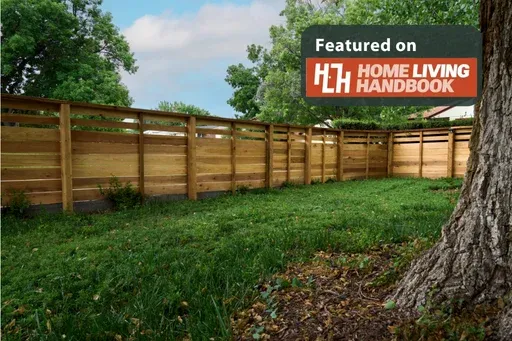
A professional fence installation involves much more than placing posts in the ground and attaching panels. The process begins with understanding the property, selecting the appropriate fence style, planning access points, preparing the site, and making sure the finished boundary fits the way the space is used. Across Tri-Cities, residential properties, businesses, and larger commercial sites can have very different requirements. Working with Top Rail Fence Tri-Cities gives property owners a starting point for planning a fence installation around the property's specific layout and purpose.
The project starts with understanding the site
Before construction begins, the proposed fence needs to be considered in relation to the property around it. The location of buildings, driveways, landscaping, slopes, existing structures, and access points can all influence the final design.
A professional fence installation should account for these conditions before materials arrive at the property.
Reviewing the intended fence line
The fence line establishes the basic footprint of the project. It may follow a property boundary, enclose a backyard, divide different areas of a property, or create a controlled perimeter around a commercial site.
This review can reveal areas where the original concept needs adjustment. A straight fence line may not work well around an existing structure, while a gate may need to be positioned differently to accommodate a driveway or frequently used walkway.
Identifying site conditions early
Ground conditions can also affect installation. Changes in elevation, landscaping, retaining walls, pavement, drainage areas, and existing structures may require additional planning.
Identifying these conditions before installation begins helps create a more predictable construction process and reduces the likelihood of unexpected changes once work is underway.
Choosing the fence that fits the property's purpose
The material and style selected for a fence installation should reflect how the finished fence will be used. A residential backyard may have different priorities from an office property, retail site, industrial facility, or other commercial location.
Planning around residential needs
Residential fencing can serve several functions at once. It can establish a boundary, create privacy, contain pets, define outdoor living areas, or add a finished appearance to the property.
The right configuration depends on the household and the site. A homeowner may need a more private section around a backyard while keeping another portion of the property visually open.
Material selection also affects the appearance and maintenance expectations of the finished fence.
Adapting to commercial properties
Commercial fencing often involves additional considerations related to access, security, traffic flow, equipment, employees, customers, and deliveries.
A business may require multiple gates, controlled vehicle access, defined service areas, or a perimeter that accommodates larger equipment. These requirements should be incorporated into the layout before the fence installation begins.
A commercial fence also needs to work with the property's existing operations. The goal is to establish the boundary without unnecessarily interfering with entrances, loading areas, parking, or routine movement around the site.
Preparing the property before construction
Once the design and fence line have been established, the installation area needs to be prepared. Site preparation can have a major effect on how efficiently the rest of the project proceeds.
Clearing the immediate work area
Vegetation, loose materials, old fencing, landscaping elements, and other obstructions may need to be addressed before installation.
This does not mean every plant or feature has to be removed. A careful approach can identify which elements should remain and where the fence can be installed without unnecessarily disturbing the surrounding property.
Planning for existing features
Outdoor structures, utility equipment, paved surfaces, drainage areas, and other permanent features should be considered before post locations are established.
This is particularly important for properties with limited space. A few feet of adjustment can sometimes make a significant difference in maintaining access to a structure or keeping an important walkway usable.
Setting posts establishes the foundation
Posts are among the most important structural components of a fence. Their placement influences alignment, stability, gates, corners, and the overall appearance of the finished project.
During fence installation, post locations need to follow the approved layout rather than being positioned solely according to convenience.
Maintaining consistent spacing
Consistent post placement helps create a uniform fence line. Spacing can vary depending on the fence type, design, terrain, and structural requirements.
Corners and transitions require particular attention because they influence the direction of multiple sections.
Handling slopes and uneven ground
A property with changing elevation may require the fence to follow the terrain in a way that remains visually consistent.
Depending on the design, sections can follow the grade or use stepped transitions. The appropriate approach depends on the property's slope and the chosen fencing system.
A professional fence company can account for these conditions during planning so the finished fence does not appear improvised around changes in elevation.
Installing panels, boards, or fencing material
Once the structural framework is established, the visible portions of the fence can be installed. This is the stage where the selected material and design begin to take their final shape.
Checking alignment as sections are added
Each section contributes to the appearance of the entire fence. Consistent alignment helps prevent noticeable variations between neighboring panels or boards.
For longer fences, small inconsistencies can become more visible as the project progresses. Maintaining the planned line and proportions throughout installation helps create a more cohesive finished result.
Making transitions look intentional
A fence may need to transition around corners, gates, driveways, landscaping, or structures. These areas deserve the same attention as the longer uninterrupted sections.
The objective is to make transitions look like part of the original design rather than corrections made after the main installation.
Gates receive their own installation considerations
Gates are functional components that need to operate reliably while fitting into the overall fence design.
A gate may need to accommodate pedestrians, vehicles, lawn equipment, deliveries, or commercial traffic depending on the property.
Positioning gates around everyday movement
The most attractive gate location is not always the most practical. During fence installation, access patterns should be considered alongside the location of driveways, walkways, garages, patios, and other frequently used areas.
For a commercial property, gate placement can also affect deliveries and vehicle circulation. A gate that works for pedestrian access may not be suitable for larger vehicles or equipment.
Checking swing and clearance
Gate operation requires adequate clearance. The surrounding ground, landscaping, pavement, and other structures should be reviewed to ensure the gate can function as intended.
Hardware selection also contributes to the long-term usability of the entrance.
The final stage is about details and verification
A completed fence installation should be reviewed rather than considered finished immediately after the last panel or board is attached.
The final inspection provides an opportunity to identify small details that could affect the appearance or usability of the finished fence.
Reviewing the entire fence line
The fence should be viewed from different points around the property. Alignment, transitions, corners, gates, and connections to existing structures can all be checked as one complete system.
For homeowners, this can mean viewing the fence from the backyard, driveway, street, and neighboring-facing side. For businesses, the review may also include parking areas, entrances, service zones, and delivery routes.
Confirming gates and access points
Every gate should be opened and closed to confirm that it operates correctly. Clearances should be checked, and hardware should be inspected.
This is particularly important for larger commercial fencing projects where gates may be used frequently throughout the day.
Local considerations can affect the process
The exact requirements for fence installation can vary depending on the municipality and property. The Tri-Cities region includes multiple jurisdictions, so requirements should be confirmed for the specific project location rather than assuming one rule applies everywhere.
For a smoother fence installation process in Johnson City, it is useful to review local zoning requirements before finalizing the layout. The Johnson City zoning regulations available through Municode provide access to local development standards that may affect fence placement, height, and related property considerations. Reviewing these requirements early can help reduce unexpected changes during the project.
Check requirements before work begins
Confirming applicable rules before construction can help avoid changes later. This may be especially important for properties in areas with specific zoning, overlays, or other development controls.
A professional fence company can help identify planning considerations that should be addressed during the project preparation stage, while property owners should verify current requirements with the relevant local authority.
Professional installation brings the stages together
A successful fence installation is the result of several connected stages rather than one construction task. Site assessment informs the design, the design determines the layout, the layout guides post placement, and the structural work supports the panels, boards, and gates.
For both residential fencing and commercial fencing, this sequence helps ensure that the finished fence is practical as well as visually consistent.
Top Rail Fence Tri-Cities can help property owners work through these stages with attention to the site's layout, intended use, access requirements, and selected fencing material. Reviewing fence installation services can also help clarify what professional planning and construction can involve before a project begins.
From the first site review to the final gate adjustment, every stage contributes to the finished result. A carefully planned fence installation can create a boundary that works with the property's existing features instead of creating new obstacles. Whether the project involves residential fencing around a home or commercial fencing around a business, the installation process should account for structure, access, appearance, and long-term use. Top Rail Fence Tri-Cities can help turn those considerations into a coordinated project, and the Contact Us page provides a direct way to discuss the next steps.
Understanding what happens during professional installation also makes it easier to evaluate proposals and communicate expectations. Rather than focusing only on the finished fence, property owners can consider how the site will be prepared, how the layout will be established, how gates will function, and how each part of the project contributes to the completed boundary. Top Rail Fence Tri-Cities can guide the process from initial planning through the final details, helping create a fence installation suited to the property and its intended use.