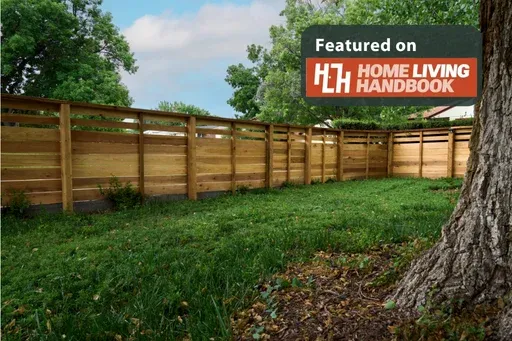
Choosing a privacy fence for a residential property involves more than deciding how much of the yard should be hidden from view. The right design can influence how outdoor areas are used, how the home connects with its surroundings, and how the boundary looks from inside and outside the property. In Tri-Cities, TN, homeowners can evaluate factors such as material, height, board arrangement, gate placement, maintenance, and the character of the surrounding landscape. A consultation with Top Rail Fence Tri-Cities can help turn those considerations into a privacy fence plan suited to the property.
Match the fence style to the reason for adding it
A privacy fence can serve several purposes at the same time, but one objective may be more important than the others. A backyard used for entertaining may need visual separation from nearby properties, while a side yard may primarily require screening around an outdoor utility area.
Starting with the purpose makes it easier to narrow down suitable designs.
Full-height screening for secluded yards
A traditional solid privacy fence is useful when the main objective is to limit direct views into a backyard. Closely spaced vertical boards create a continuous surface that can establish a stronger visual boundary around patios, pools, play areas, and outdoor seating.
This configuration can also give the yard a more defined appearance. Instead of looking directly toward neighboring properties, occupants see a consistent fence surface that can become part of the landscape design.
The height and exact configuration should still be selected according to the property's conditions and applicable requirements rather than assuming that the tallest possible fence is automatically the best choice.
Partial screening for a more open feel
Not every residential property needs complete visual enclosure. Some yards benefit from a privacy fence that creates separation in specific areas while maintaining openness elsewhere.
For example, a homeowner could prioritize screening along the side facing a neighboring backyard while using a different configuration near a more open section of the property. This can create distinct outdoor zones without making the entire yard feel enclosed.
Compare wood and vinyl for long-term use
Material has a major effect on the appearance and maintenance requirements of a privacy fence. Wood and vinyl are both available for residential applications, but they create distinctly different visual experiences.
Why wood can add natural character
Wood can give a privacy fence a warm, traditional appearance that works naturally with gardens, mature trees, patios, and other landscape features. It also offers flexibility in terms of design and can be incorporated into different residential styles.
A wood fence can be particularly effective when the goal is to make the boundary feel like part of the landscape rather than a highly manufactured element.
However, wood requires attention over time. Finishing, staining, and general maintenance can affect how the material looks as it ages.
Where vinyl can simplify maintenance
Vinyl fencing provides another approach to residential privacy. Its manufactured construction can offer a consistent appearance without the same type of routine surface maintenance associated with wood.
A vinyl privacy fence can also create a clean, uniform boundary around a contemporary or traditional home. For households that prioritize a consistent finish and reduced maintenance, it can be a practical material to consider.
The best material depends on the property's appearance, maintenance expectations, budget, and desired lifespan.
Let the yard determine the fence layout
The most effective privacy fence is not necessarily one that follows the easiest straight line around the property. Existing features can affect where fencing makes sense and where gates should be located.
Work around outdoor living areas
Patios, decks, outdoor kitchens, fire pits, and seating areas can benefit from strategic screening. A fence positioned between an outdoor living area and an exposed neighboring property can create a stronger sense of separation.
The placement should still preserve comfortable movement through the yard. A fence that creates privacy but interferes with access to the patio, shed, garage, or garden may introduce a different problem.
Consider changes in elevation
Sloped yards require additional attention because the ground does not remain at a consistent level. A privacy fence may need to follow the grade or use a stepped arrangement depending on the site's characteristics.
The visual result matters as much as the physical installation. Poorly planned transitions can create irregular gaps or an uneven appearance, while a carefully considered layout can make changes in elevation look intentional.
Use gates as part of the privacy design
Gates are sometimes treated as an afterthought, but they are an important part of a residential privacy fence. Their location, width, hardware, and relationship to walkways can influence how convenient the entire enclosure becomes.
Choose entrances around everyday movement
A gate near the most frequently used path can make the yard easier to access. A separate wider gate may be appropriate where lawn equipment, trailers, outdoor furniture, or other large items need to pass through.
During privacy fence installation, the proposed gate locations should therefore be evaluated alongside driveways, sidewalks, patios, garages, and other access points.
Create privacy without blocking useful access
A well-planned gate should provide the desired level of screening without making ordinary movement unnecessarily difficult.
For example, a backyard may require a highly private perimeter while still needing convenient access from the driveway. Separating pedestrian and larger access points can help the fence serve both purposes without compromising the overall layout.
Think about how the fence looks from inside
Privacy is experienced from both sides of a fence. The interior-facing appearance can have a significant effect on how the yard feels.
Make the fence part of the landscape
Plants can soften a fence line and create a layered appearance. Shrubs, ornamental grasses, flower beds, and other landscaping can be positioned near the boundary to connect the fence with the rest of the yard.
This can prevent a solid privacy fence from appearing visually disconnected from the landscape.
Use the fence as a background element
A consistent fence surface can provide a backdrop for outdoor furniture, gardens, trees, and decorative features. Instead of competing with those elements, the fence can help frame them.
This is particularly useful when the yard contains several separate features that currently lack visual cohesion.
Account for the property's local setting
Residential fencing requirements can vary between communities within the Tri-Cities region, so a planned fence installation should take the property's specific jurisdiction into account.
For example, the City of Kingsport states that fences do not require a permit there, while its current building guidance identifies height limits of six feet in front yards and eight feet in other yards, along with restrictions on barbed wire in residential zones. Homeowners should verify requirements applicable to their particular property before construction.
Check conditions before installation
Property lines, existing structures, drainage, utility equipment, landscaping, and neighboring improvements can all influence the final fence layout.
A professional fence company can assess these conditions before construction rather than discovering potential complications after materials have been ordered or installation has started.
This planning stage is especially useful for irregular lots, corner properties, sloped yards, and homes where multiple access points need to be incorporated into the design.
Evaluate privacy as part of the whole property
A residential privacy fence should complement the house instead of functioning as an isolated structure. The material, height, color, gate design, and placement can all influence the property's overall appearance.
A useful way to evaluate the options is to consider the fence from several perspectives: standing inside the backyard, viewing the property from the street, looking toward neighboring homes, and approaching the gates from the driveway or walkway.
Think beyond a single fence style
There is no requirement for every residential boundary to look exactly the same. Different sections can address different needs while maintaining a coherent overall appearance.
One side might require stronger privacy, another might need convenient vehicle access, and another might benefit from a more decorative transition. These differences can be incorporated into the planning process rather than forcing one configuration across every part of the property.
Build the installation around the finished result
Selecting a material is only one part of a successful privacy fence installation. Accurate measurements, properly positioned posts, consistent panel alignment, suitable gate placement, and careful transitions all influence the finished result.
A qualified fence company can help coordinate these details so the finished fence reflects the original design rather than becoming a collection of separate decisions made during construction.
For homeowners considering different residential privacy solutions, privacy fence options can provide a useful starting point for comparing approaches.
A thoughtfully selected privacy fence can give a Tri-Cities property stronger definition while supporting outdoor activities, privacy, access, and curb appeal. Whether the priority is creating a secluded backyard, screening a patio, defining a property boundary, or establishing a more cohesive landscape, the design should respond to how the property is actually used. Top Rail Fence Tri-Cities can help evaluate those factors and develop a privacy fence solution around the home's specific layout. To discuss the project and explore the appropriate fence installation approach, homeowners can use the Contact Us page to connect with the team.
With the right combination of material, proportions, access points, and placement, a privacy fence can become more than a visual barrier. It can establish a practical outdoor boundary that works with the architecture and landscape while providing the level of separation the household needs. Top Rail Fence Tri-Cities can help bring those considerations together through a carefully planned installation and a residential design built around the property.