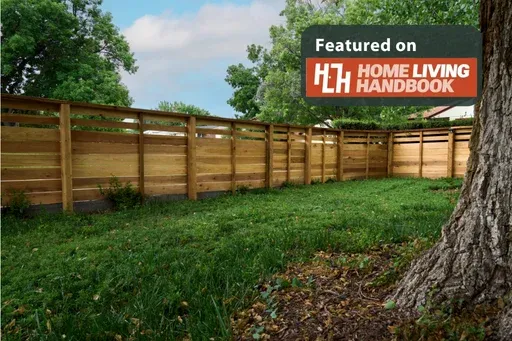
Outdoor spaces rarely look the same year after year. Trees expand, gardens mature, patios weather naturally, and landscaping gradually develops character over time. While many exterior materials begin to feel disconnected as the property evolves, wood fencing often becomes more visually integrated with the yard as the years pass.
In many Tri-Cities neighborhoods, homeowners choose wood not because it stays frozen in time, but because it changes alongside the environment around it. A properly planned fence can feel less like an added structure and more like a permanent part of the landscape itself. That is one reason homeowners frequently work with Top Rail Fence Tri-Cities when searching for fencing solutions that complement long-term outdoor growth rather than compete with it.
Natural materials evolve differently from manufactured surfaces
Some outdoor materials are designed to resist visible change completely. While that works well for certain projects, it can sometimes create contrast as the rest of the property matures naturally.
Wood fencing behaves differently. Instead of standing apart from the landscape, it gradually develops texture and character that align with the surrounding environment.
Organic textures create visual continuity
As gardens expand and outdoor spaces mature, natural materials tend to blend more effectively with the property. Wood works especially well because its appearance feels connected to plants, soil, stone, and other outdoor elements.
This visual continuity helps a fence feel integrated rather than overly separate from the yard itself.
Subtle aging can improve the appearance of the property
Many homeowners in Tri-Cities appreciate how wood develops a softer, more established look over time. Unlike some materials that appear worn as they age, properly maintained wood often gains character that complements evolving outdoor spaces.
A professional wood fence installation helps ensure that aging occurs evenly and supports the long-term appearance of the property.
Outdoor spaces feel more grounded with natural structure
A fence does more than establish a boundary. It influences how the yard feels emotionally and visually every day.
Wood creates warmth that manufactured materials often lack
Natural textures tend to create a more welcoming atmosphere outdoors. This is especially important for properties designed around relaxation, entertaining, or family use.
Many homeowners find that wood fencing softens outdoor layouts and makes spaces feel more comfortable without sacrificing structure.
Mature landscaping pairs naturally with wood
As landscaping grows fuller over time, the relationship between the fence and the yard becomes increasingly important. Dense greenery can sometimes overpower synthetic materials, but wood typically blends more naturally into the environment.
That balance is one reason homeowners continue choosing professional fence installation solutions that prioritize both functionality and appearance.
Why evolving yards benefit from adaptable fencing styles
Outdoor spaces change gradually over the years. Families expand, entertainment priorities shift, and landscaping evolves seasonally. The fence must continue supporting those changes without feeling outdated.
Wood complements both traditional and modern designs
One advantage of wood fencing is its versatility. It works well with classic homes, contemporary outdoor layouts, and transitional designs that combine multiple architectural influences.
This flexibility allows homeowners to update landscaping or outdoor features without needing to redesign the fence entirely.
Different layouts support changing outdoor priorities
Some homeowners need privacy around entertainment spaces, while others want more openness near gardens or pathways. Wood offers design flexibility that supports those varying goals.
Whether the project involves decorative spacing or full enclosure, experienced professionals can customize a wood fence installation to match both current and future property needs.
The relationship between fences and landscaping changes over time
At first, fences often appear as the dominant outdoor feature. As years pass, however, landscaping begins interacting more closely with the structure itself.
Plant growth softens hard boundaries
Climbing greenery, ornamental grasses, and layered landscaping gradually reduce the visual sharpness of property edges. Wood adapts particularly well to this transition because its texture already feels organic.
This interaction allows the fence to become part of the outdoor environment rather than a separate visual barrier.
Seasonal changes create more visual depth
Throughout the year, changing light, foliage, and weather conditions alter how the yard appears. Wood fencing responds naturally to those environmental changes, creating visual depth that feels more dynamic over time.
This quality often helps outdoor spaces maintain visual interest across multiple seasons.
Installation quality influences how well the fence ages
Even the best materials depend on proper installation. Poor alignment, weak support systems, or inadequate planning can shorten the lifespan and appearance of the structure.
Structural precision supports long-term performance
A successful wood fence installation requires attention to drainage, spacing, grading, and post stability. These details help the fence age consistently while maintaining structural integrity.
Working with experienced professionals helps homeowners avoid issues that can compromise appearance over time.
Thoughtful placement improves outdoor flow
Fence placement affects how sunlight moves through the property, how landscaping develops, and how different outdoor zones interact with one another.
That is why many homeowners trust Top Rail Fence Tri-Cities to design fencing layouts that support both present functionality and future landscape growth.
Wood supports outdoor spaces that feel lived in rather than overdesigned
Some outdoor environments lose character because they feel too controlled or visually rigid. Natural materials often help avoid that problem.
Subtle imperfections create authenticity
Wood contains texture variations, grain patterns, and natural tonal shifts that add depth to outdoor spaces. Those details can make the property feel more established and inviting.
Rather than creating a perfectly uniform appearance, wood fencing often contributes to a more authentic outdoor atmosphere.
Outdoor comfort improves when spaces feel natural
Comfortable outdoor environments usually balance structure with softness. Wood helps create that balance by providing definition without making the yard feel overly formal.
Many homeowners looking for a dependable fence company appreciate how wood adapts to relaxed outdoor living while still offering durability and privacy.
According to the APA Engineered Wood Association, properly selected and maintained wood products continue to be valued for both structural reliability and long-term exterior performance.
The best outdoor features improve as the property matures
Some outdoor additions look strongest immediately after installation but lose relevance as the property evolves. Others become more connected to the space over time.
That is why many homeowners in Tri-Cities continue choosing wood fencing for properties designed around long-term outdoor living. A thoughtfully installed fence develops alongside the yard itself, creating a landscape that feels increasingly cohesive year after year.
With support from Top Rail Fence Tri-Cities, homeowners can create outdoor environments where fencing does more than define boundaries. It becomes part of the landscape’s long-term identity and character. If you are planning a fencing project designed to grow naturally with your property, Contact Us to explore solutions tailored to your outdoor space and lifestyle.