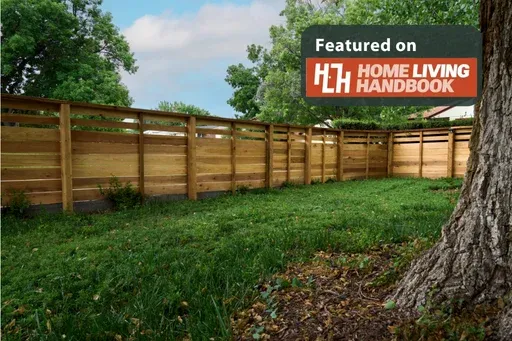
Stand in the middle of a wide, open yard in Tri-Cities, and you’ll notice how easily everything blends together. Property lines feel invisible, distances seem larger than they are, and outdoor areas can lack definition. Without structure, even well-maintained spaces can feel unfinished.
This is where wood fencing becomes more than a boundary. It becomes a design element that introduces depth and layering. Homeowners who begin their projects through Top Rail Fence Tri-Cities often discover that the right fence installation doesn’t just divide space, it reshapes how that space is experienced.
Turning open land into intentional zones
Large or sparsely divided properties in Tri-Cities benefit from subtle segmentation. Instead of one continuous stretch of land, wood fencing allows homeowners to create defined areas without losing openness.
Creating visual breaks without closing the space
A carefully placed section of wood fencing can separate a yard into functional zones. One area might feel more private, while another remains open for broader use. This layered approach makes the property feel more dynamic.
Guiding movement through the yard
When a wood fence installation is designed with flow in mind, it naturally directs how people move through the space. Pathways, entry points, and transitions become more intuitive.
The natural advantage of wood in layered design
Unlike materials that present a uniform surface, wood fencing brings texture and variation. This makes it particularly effective for creating visual depth.
Texture that adds dimension
Grain patterns, slight color variations, and natural imperfections give wood fencing a layered appearance even before it’s arranged in sections. These details help break up flat, open views.
A material that complements its surroundings
In Tri-Cities, where landscapes often include open skies and natural terrain, wood blends in while still defining boundaries. It enhances the environment rather than competing with it.
Layering doesn’t mean complexity
Some homeowners assume that creating depth requires complicated layouts. In reality, even simple designs can achieve a layered effect when planned correctly.
Using height variations strategically
Adjusting fence height across different sections can subtly separate areas without making the space feel enclosed. A skilled fence company can help determine where these changes make the most impact.
Combining openness and enclosure
Alternating between more open and more solid sections of wood fencing creates contrast. This contrast is what gives the yard its sense of depth.
How installation choices influence spatial perception
The way a fence is installed has a direct effect on how space is perceived. A thoughtful fence installation can make a property feel larger, more organized, or more private, depending on the approach.
Alignment and spacing
Consistent spacing between panels ensures that the fence contributes to a clean visual rhythm. This rhythm plays a key role in how depth is perceived.
Placement relative to existing features
Positioning a wood fence installation in relation to trees, patios, or structures can enhance the layered effect. Each element becomes part of a larger composition.
With Top Rail Fence Tri-Cities, installation is approached with both structure and visual impact in mind, ensuring that the fence contributes to the overall layout of the property.
Creating depth in properties with minimal boundaries
In areas where properties are only lightly divided, wood fencing helps establish clear yet natural transitions.
Defining edges without harsh lines
A wood fence installation introduces boundaries that feel organic rather than abrupt. This is especially important in neighborhoods where maintaining a natural look is part of the appeal.
Enhancing privacy while preserving openness
Layering allows homeowners to create private zones within a larger open space. Instead of enclosing the entire yard, specific areas can be defined more intentionally.
Why wood fencing remains a preferred choice
The ability of wood fencing to create depth is one of its most valuable qualities. It offers flexibility that adapts to different property sizes and layouts.
A balance between structure and adaptability
Wood can be shaped, arranged, and customized in ways that support layered design. This makes it easier to achieve a unique layout that fits the property.
Long-term visual interest
As wood fencing ages, it develops subtle variations that add to its layered appearance. This evolving look keeps the space visually engaging over time.
The role of a professional fence company in layered design
Achieving true depth requires more than just placing a fence around a property. It involves planning, positioning, and execution.
A knowledgeable fence company understands how to use wood fencing to shape space effectively. With Top Rail Fence Tri-Cities, each project is approached with attention to how the fence will influence both function and perception.
Understanding spatial design in outdoor environments
Layering is a concept often used in architecture and landscape design to create more engaging spaces. Applying it to fencing brings those same principles to residential properties.
For homeowners interested in how spatial layering affects outdoor design, resources like the American Society of Landscape Architects offer insights into how structure and layout shape the way spaces are experienced.
Building a yard that feels intentional and complete
Open space has its advantages, but without definition, it can feel unfinished. Wood fencing provides a way to introduce structure while maintaining a natural aesthetic.
By working with Top Rail Fence Tri-Cities, homeowners can approach their fence installation with a focus on depth, layering, and long-term usability. The result is a property that feels thoughtfully designed rather than simply divided.
If you’re ready to transform your outdoor space into something more structured and visually engaging, visit Contact Us to connect with Top Rail Fence Tri-Cities and start planning your next wood fence installation with a trusted fence company.